
Apple is turning 50, ya’ll! That’s right—on April 1, 1976, Steve Jobs, Steve Wozniak, and Ronald Wayne started a little tech company in Jobs’ parents’ garage in Los Altos, California. The rest, as they say, is tech legend. But before Apple became the behemoth we know today, it had its fair share of hits…and some spectacular misses. In honor of its 50th anniversary, I thought it would be fun to take a nostalgic look back at the Apple gadgets we loved, got annoyed with, and everything in between.
Yes, from the Apple I all the way up to today’s iPhone 18, Apple has become a fixture not just in how we work and communicate, but also in our cultural memory. Looking back at the company’s successes is like flipping through an album of tech milestones—fun, nostalgic, and a reminder of how far Apple—and we—have come.
But we shouldn’t ignore the failures, either. Apple has always pushed to innovate and make technology approachable, and sometimes it resulted in stumbles. Some flops were embarrassing, others humorous—but many ended up teaching the company valuable lessons that proved useful, in hindsight. If there’s one thing Apple shows us, it’s that failure can be a stepping stone to success.
Still have those white earbuds? Grab ’em and join me for a trip down memory lane, tech style.
Apple’s Greatest Hits
From the first computers many of us used at school to the devices that put the internet in the palms of our hands, these are the Apple products we couldn’t get enough of over the last 50 years. If you’re feeling nostalgic, the newly released book The First 50 Years also dives deep into Apple’s history and the products that defined it.
The Macintosh (1984) — The easy-to-use computer that changed the world
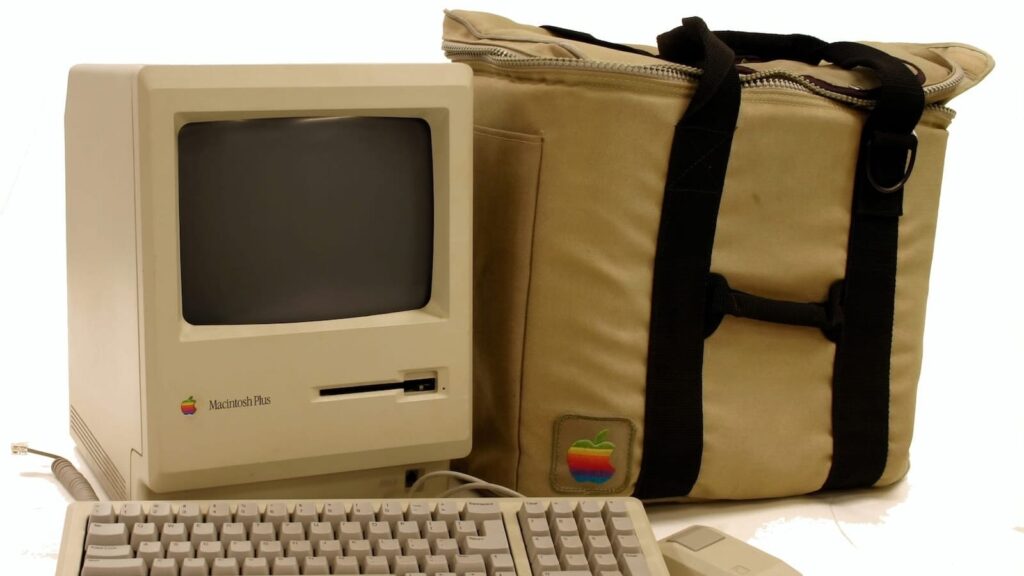
I’m skipping over the Apple I and II and jumping straight to Apple’s first big hit: the Macintosh personal computer, which debuted in 1984. While those early computers were important stepping stones, Apple truly hit the mainstream with the Mac. Early reviews didn’t hold back—CBS News declared, “Apple has a winner.”
The Mac was a 14-inch tall all-in-one machine that took up roughly the same desk space as a hardcover textbook. At 16.6 pounds, it was considered “portable” (Apple even sold a padded carrying case so you could, in theory, take it on an airplane and tuck it under the seat—ah, the ’80s). It launched at $2,495—that’s over $7,000 in today’s money.
What really set the Mac apart, though, was its ease of use. Apple claimed most people could get the hang of it in just 30 minutes—half the time it supposedly took to figure out an IBM. Combine that accessibility with aggressive marketing in schools, and you had a recipe for runaway success. Drexel University became the first college to require students to own a personal computer, offering discounts on Macs. Starting in 1985, Apple rolled out “model” classrooms across the country (Apple Classrooms of Tomorrow) to provide a one-to-one student-to-computer ratio.
The iMac G3 (1998) — Internet candy for your desk
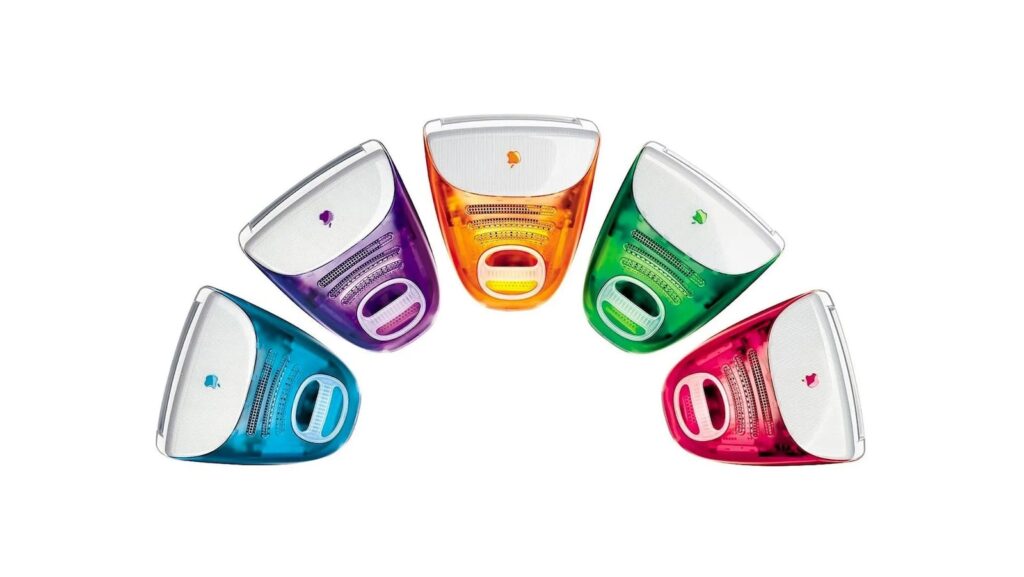
By 1998, Americans—students especially—were increasingly on the internet. In that context, Apple released its first product with the now-famous “i” prefix: the iMac G3, a computer designed specifically for internet use. The machine came with a 4 GB IDE hard drive, 32 MB of SDRAM, and a 15-inch CRT display with a resolution of 1024 × 768. It also included two USB ports, a CD-ROM drive, a built-in 33 Kbps modem, and a 100 Mbps Ethernet port—pretty impressive for the time. Priced at $1,299 and wrapped in its iconic Bondi Blue shell, the iMac G3 was one of the first mainstream computers to truly prioritize style alongside function.
I, for one, remember my middle school computer lab being stocked with those iridescent iMacs—the prettiest things we kids had ever seen in the computing world. And the public agreed. The iMac G3 helped pull Apple back from the brink of bankruptcy, sparking a dramatic turnaround in profits. Users loved the playful colors and the simple setup. Critics, on the other hand, weren’t as charmed—they complained the machine was underpowered and took particular issue with the infamous “puck” mouse. More on that later.
The iPod (2001) —Your 2000s music obsession
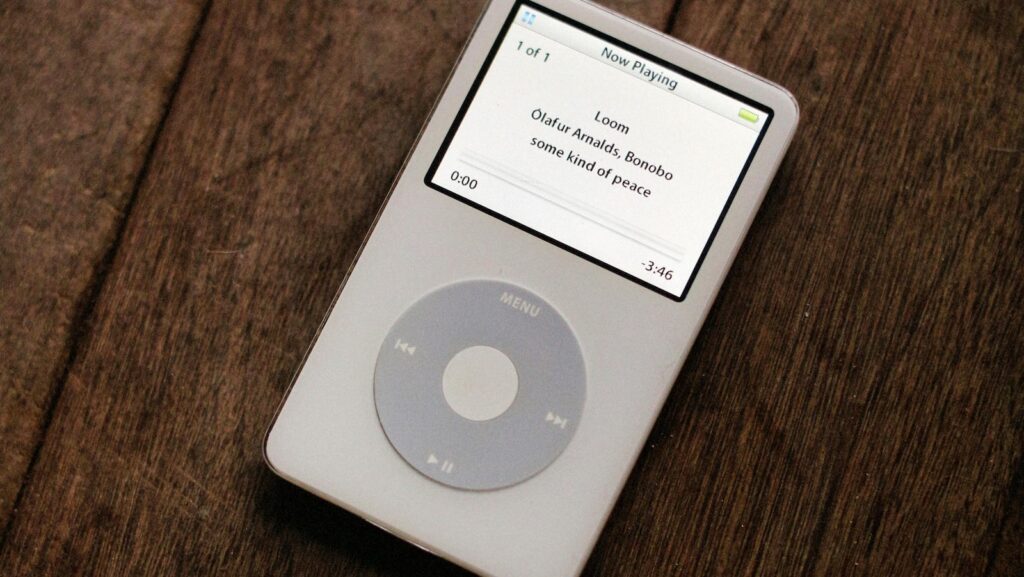
For those of us who came of age in the 2000s, the iPod was revolutionary. Yes, MP3 players existed, but they couldn’t hold your entire music collection (up to 1,000 CD-quality songs) on a super-thin hard drive. Crucially, Apple’s new MP3 player featured up to 20 minutes of shock protection if you wanted to listen to music while running or biking. It also let you download an entire CD in under 10 seconds, which was 30 times faster than USB-based players at the time.
Continuing Apple’s knack for simplifying complex devices, the iPod had a unique Click Wheel that made navigating through playlists, artists, and songs easy and intuitive. People could hold and manage their iPad in one hand, sparking a teen trend along with those iconic white earbuds (all the cool kids had an iPod). Meanwhile, the iPod acted as an entry point for Apple products, with millions of Windows users buying an iPod, falling in love with it, and eventually trading in their PCs for MacBooks.
The iPhone (2007) – A new kind of phone
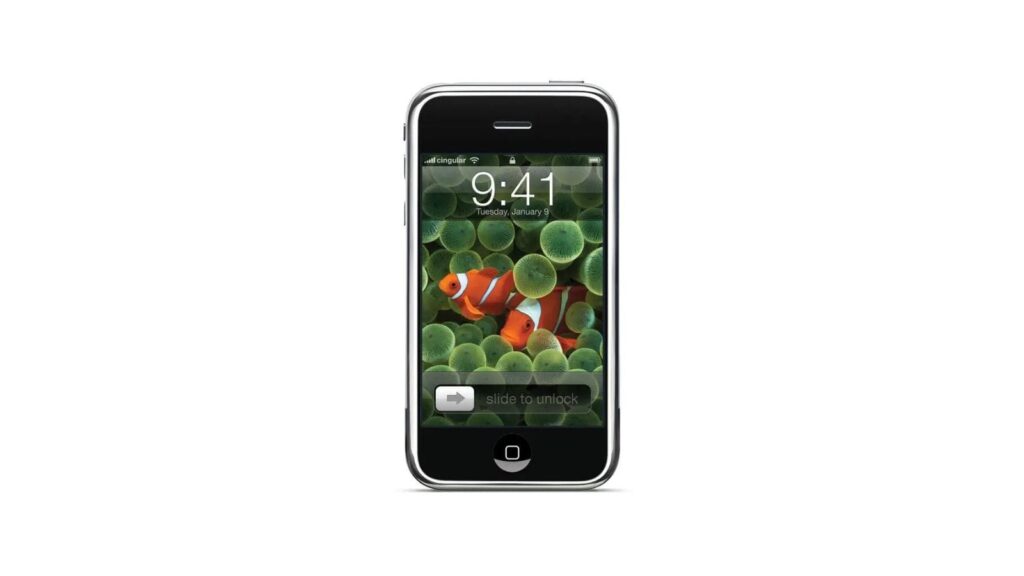
If the iPod ushered in Apple’s modern era, the iPhone was an explosion that changed the world. It completely reset what people expected from technology. At its famous keynote presentation on January 9, 2007, Jobs called it “three things: a widescreen iPod with touch controls, a revolutionary mobile phone, and a breakthrough internet communications device.”
Was it ever. Before the iPhone, smartphones relied on styluses or clunky plastic keyboards with tiny arrows for navigation. Writing an email on them was slow and error-prone. The iPhone changed everything with its intuitive multi-touch interface. Suddenly, control gestures like pinch-to-zoom and swipe-to-scroll made our fingers the new computer mouse.
The iPhone really represented a cultural shift. As the first phone with a real internet browser (Safari) built in, the internet in your pocket looked just like the one on your computer. That, coupled with the phone’s easy touchscreen use, gave rise to the “always online culture” we know today, changing how we socialized, worked, and learned. It also killed the need to buy single-use gadgets like point-and-shoot cameras, paper maps, and alarm clocks.
Apple’s Notable Fails
You can’t win them all, especially when you’re on the cutting edge of innovation. Here’s a list of some of Apple’s most notable flops—and how they influenced future hits.
The Apple Newton (1993) – The stylus that mocked us
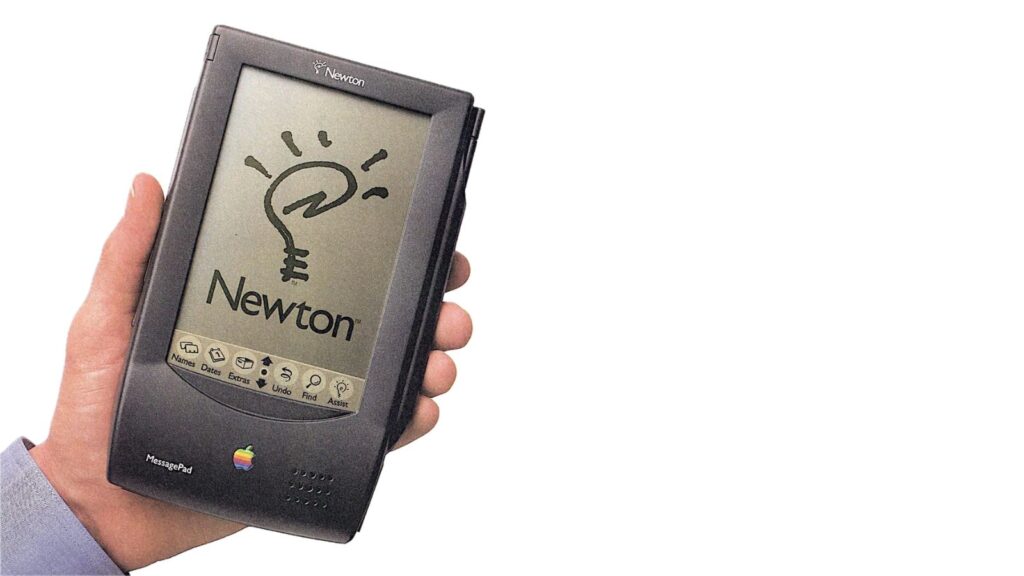
I was in third grade when the Apple Newton came out, so I don’t recall it personally. But, by all accounts, it was an ambitious device, that wasn’t supported by the right tech. As Apple’s take on a Personal Digital Assistant (PDA), it was to be a device that would allow users to throw away their keyboards and write directly on a screen with a stylus. Like a modern-day digital notebook. It was supposed to be a pocket-sized revolution, but ended up costing $700.
Not only that, but it was too buggy for daily use. Its headline feature, handwriting recognition, didn’t just mispell words but reimagined notes entirely. The issues were so ubiquitous that The Simpsons famously mocked it in a 1994 episode where a character’s memo to “beat up Martin” became “eat up Martha”.
Jobs killed the project in 1997, but still felt there was good technology there. Ironically, Newton became the blueprint for some of Apple’s biggest hits, the iPad and the iPhone.
The “Puck” Mouse (1998) – The round mouse that drove users crazy
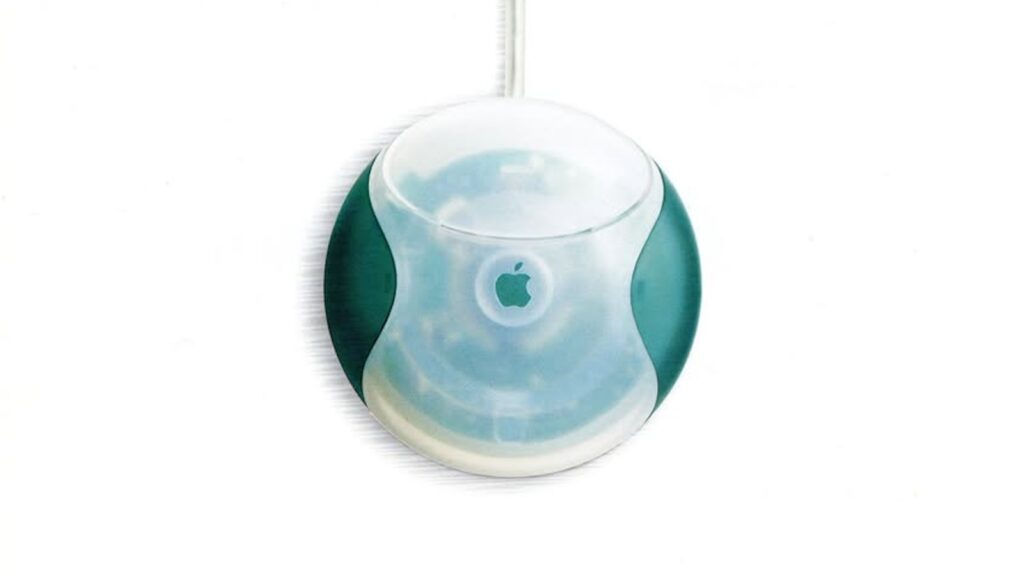
When the first iMac G3 arrived, it came with a mouse that looked like a futuristic teal hockey puck. It was the first USB mouse for the public, and it was undeniably cool to look at—until you actually tried to use it. Because it was perfectly circular, your hand had no natural way to tell which way was “up” by touch alone. You’d reach for it, start moving, and find your cursor flying diagonally across the screen because the mouse had rotated 45 degrees in your palm.
The “Puck” (officially the Apple USB Mouse) was a classic case of form over function. It was too small for adult hands and lacked any ergonomic support, leading to a massive secondary market for “shells” that you could snap over the mouse to make it feel like, well, a mouse. Apple eventually admitted defeat in 2000, replacing it with the more traditional, oval-shaped Pro Mouse. It stands today as a reminder that even the best designers can sometimes reinvent the wheel into something that doesn’t roll.
The Power Mac G4 Cube (2000) – Art over utility
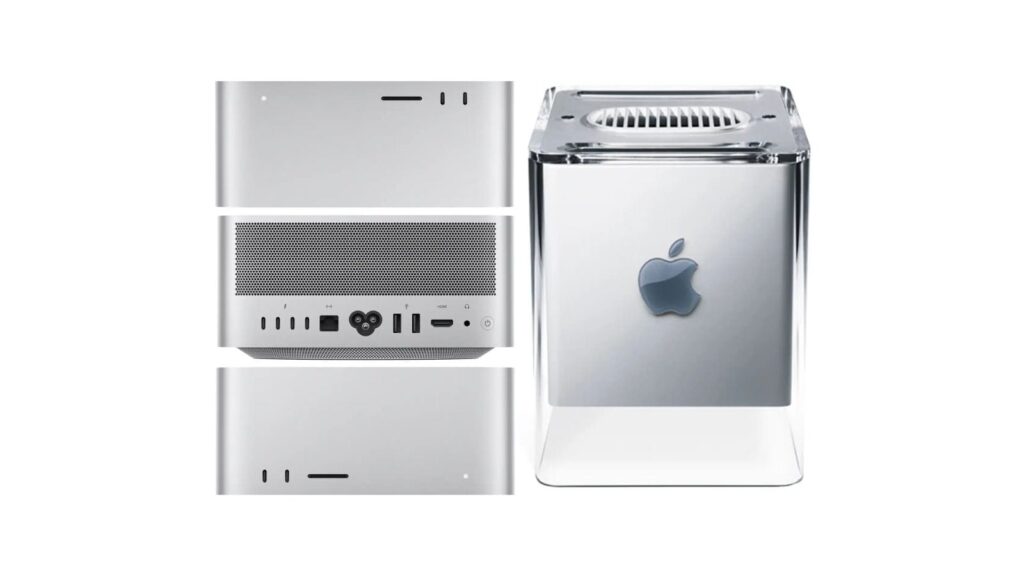
The Power Mac G4 Cube was the “miss” that proved even a work of art can be a disaster. It was an eight-inch block of electronics suspended in a crystal-clear enclosure—so beautiful that the Museum of Modern Art (MoMA) added it to its permanent collection.
The Cube was a victim of Apple’s obsession with design over practicality. To keep the lines clean, it had no cooling fan and no power button; you turned it on with a capacitive touch sensor that was notoriously finicky. It launched at $1,799, and didn’t even include a monitor. The real nail in the coffin was the quality. Shortly after launch, reports flooded in about “mold lines” that looked suspiciously like cracks in the clear plastic case.
Sales tanked so badly that Apple’s stock dropped 50% in a single day, and the machine was put on hold less than a year after its release. Even though it bombed, the Cube wasn’t a total loss. It forced Apple to master the art of miniaturization. Years later, those lessons gave us the Mac mini, which finally delivered on the “tiny desktop” dream.
The AirPower (2017) – Physics wins
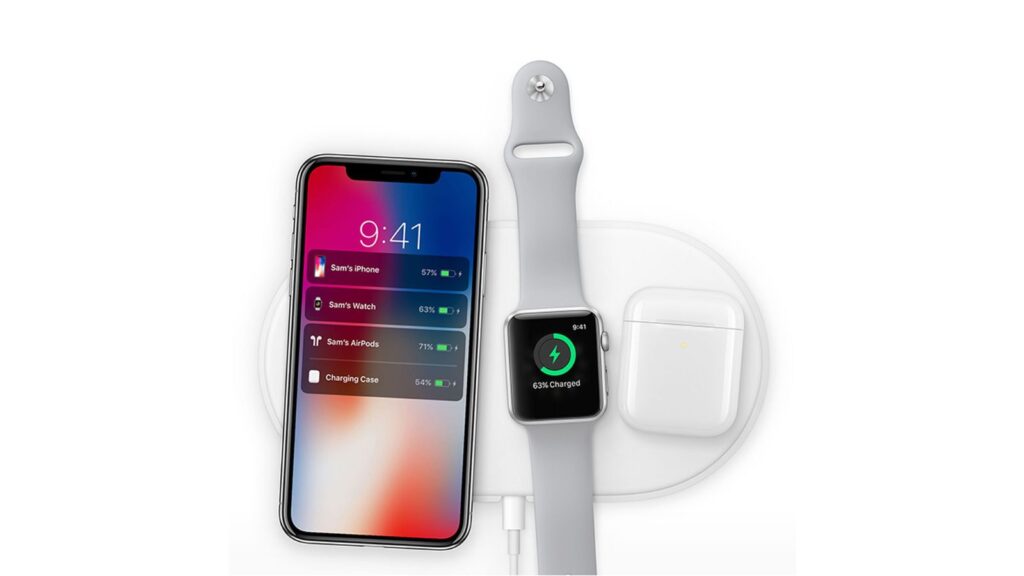
The AirPower is a unique kind of “miss” because it was famous without ever actually existing. Announced alongside the iPhone X, it was supposed to be the ultimate wireless charging mat. The idea was simple: you could toss your iPhone, Apple Watch, and AirPods anywhere on the mat, and they would all start charging simultaneously.
For two years, we waited. Apple even put a picture of the AirPower on the back of the AirPods boxes. But the physics simply didn’t cooperate. To make the “charge anywhere” feature work, Apple tried to overlap dozens of charging coils, which caused the mat to overheat to dangerous levels. In a move that shocked the tech world, Apple officially cancelled the project in 2019, admitting it couldn’t meet its own high standards.
Lessons from 50 years of Apple
Apple’s history isn’t just about record-breaking sales or stylish devices. It’s about experimentation. The company’s team of engineers, designers and innovators gave us products that changed the world. For the first time, tech gadgets like the Macintosh and iPhone brought incredible abilities to our everyday lives. Tools that, quite simply, never existed before.
That willingness to try bold ideas and make them approachable is what makes Apple, well, Apple. The company isn’t afraid to push bold ideas further, even if it takes time and even if they are failures along the way. More often than not, those “fails” pave the way for the next big breakthrough.
