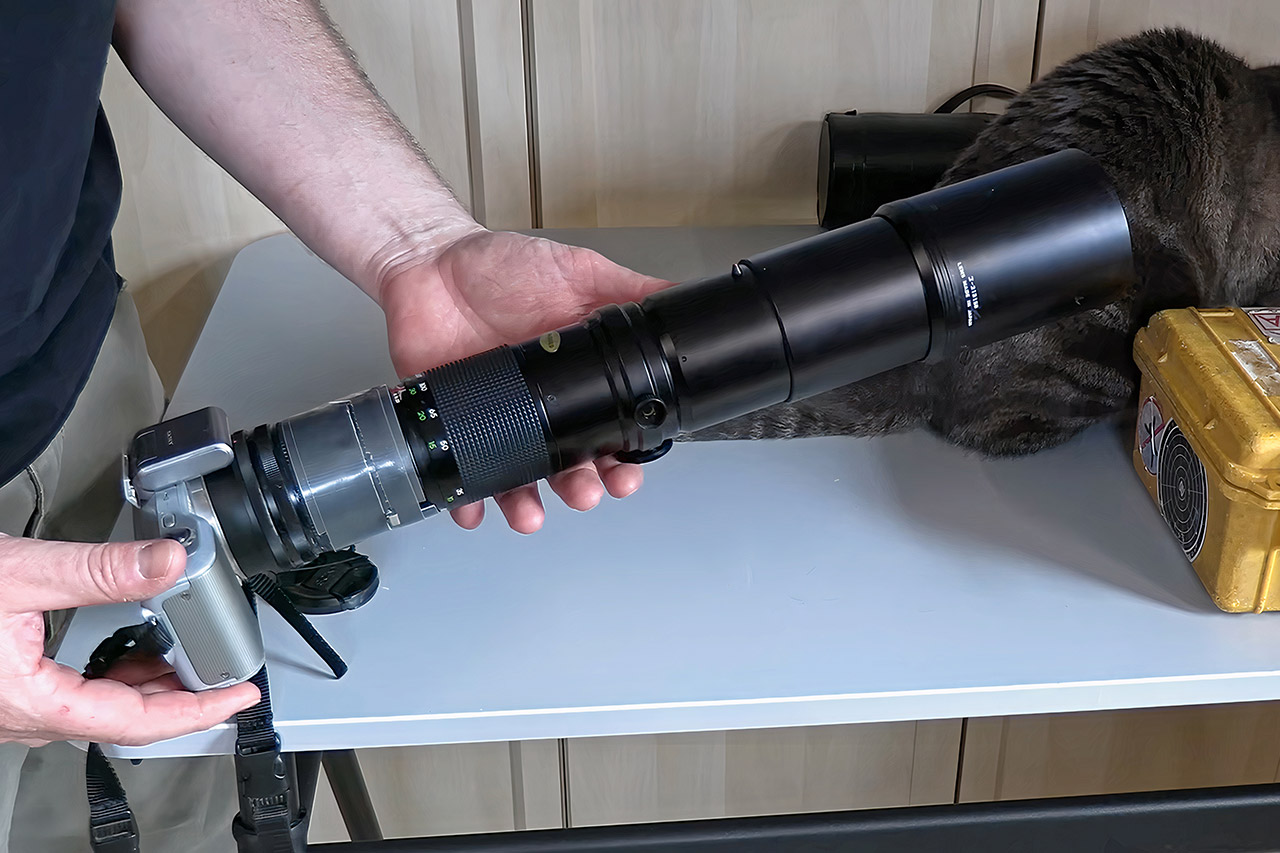
Saveitforparts picked up a heavy Sigma 400mm XQ lens and its matching 2x teleconverter at a local thrift store for $14.99. He carried the whole assembly home, attached a simple adapter, and mounted it on a decade-old Sony NEX-3 digital camera. The goal looked simple on paper: point the bargain rig skyward when the International Space Station passed overhead and record whatever showed up in the frame.
He began by checking the pass predictions on n2yo.com and the NASA Spot the Station app to determine when and where the ISS would cross the sky above his position. Timing was critical since the ISS moves so quickly that one second too late leaves you with nothing but an empty blue sky. He placed the lens on its built-in tripod foot, approximately oriented it along the projected route, and simply waited for the bright little dot formed by sunlight reflecting off the station’s solar panels.
Sale

Gskyer Telescope, 70mm Aperture 400mm AZ Mount Astronomical Refracting Telescope for Kids Beginners…
- Superior Optics: 400mm(f/5.7) focal length and 70mm aperture, fully coated optics glass lens with high transmission coatings creates stunning images…
- Magnification: Come with two replaceable eyepieces and one 3x Barlow lens.3x Barlow lens trebles the magnifying power of each eyepiece. 5×24 finder…
- Wireless Remote: This refractor telescope includes one smart phone adapter and one Wireless camera remote to explore the nature of the world easily…
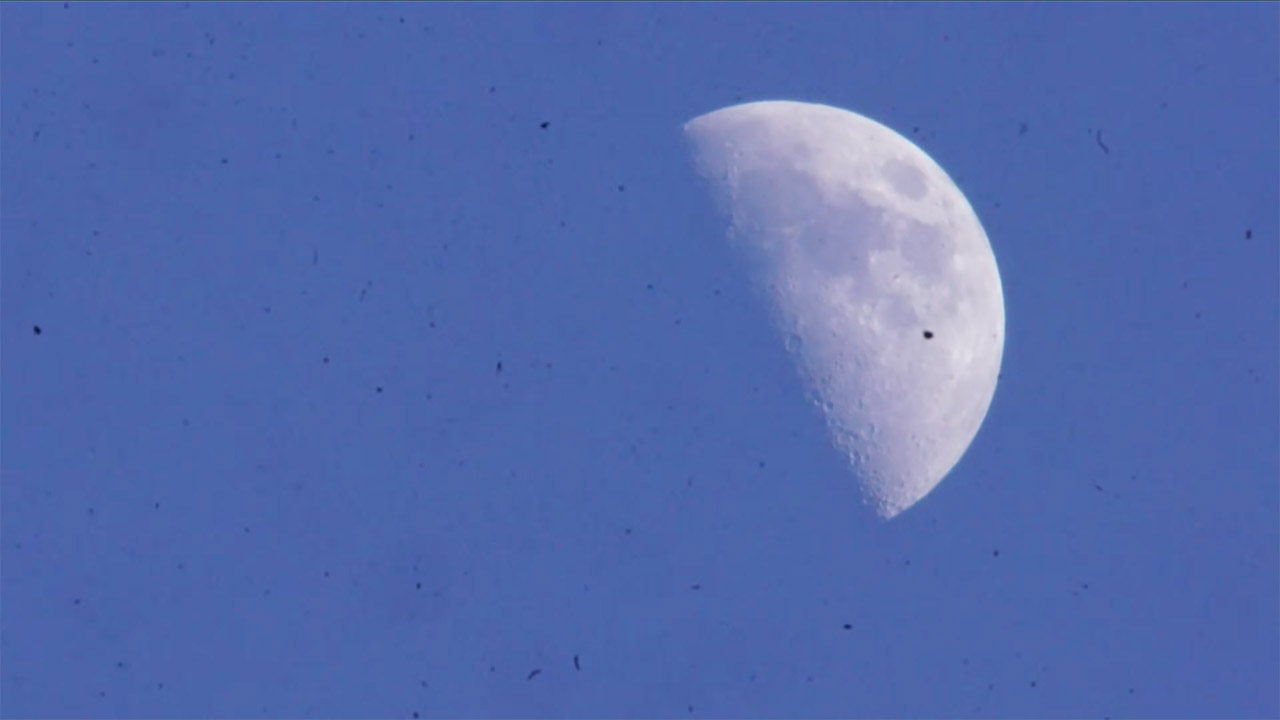
Getting a clear focus was difficult from the start, as dirt had gathered inside the old lens over time, dispersing light and destroying the details. So he began by practicing on the moon, adjusting the focus until the craters appeared sharp enough to see through the viewfinder. Getting the shutter speed and exposure exactly right required a delicate balance; too slow and the station blurred into a streak, too quick and the small dot vanished against the sky.
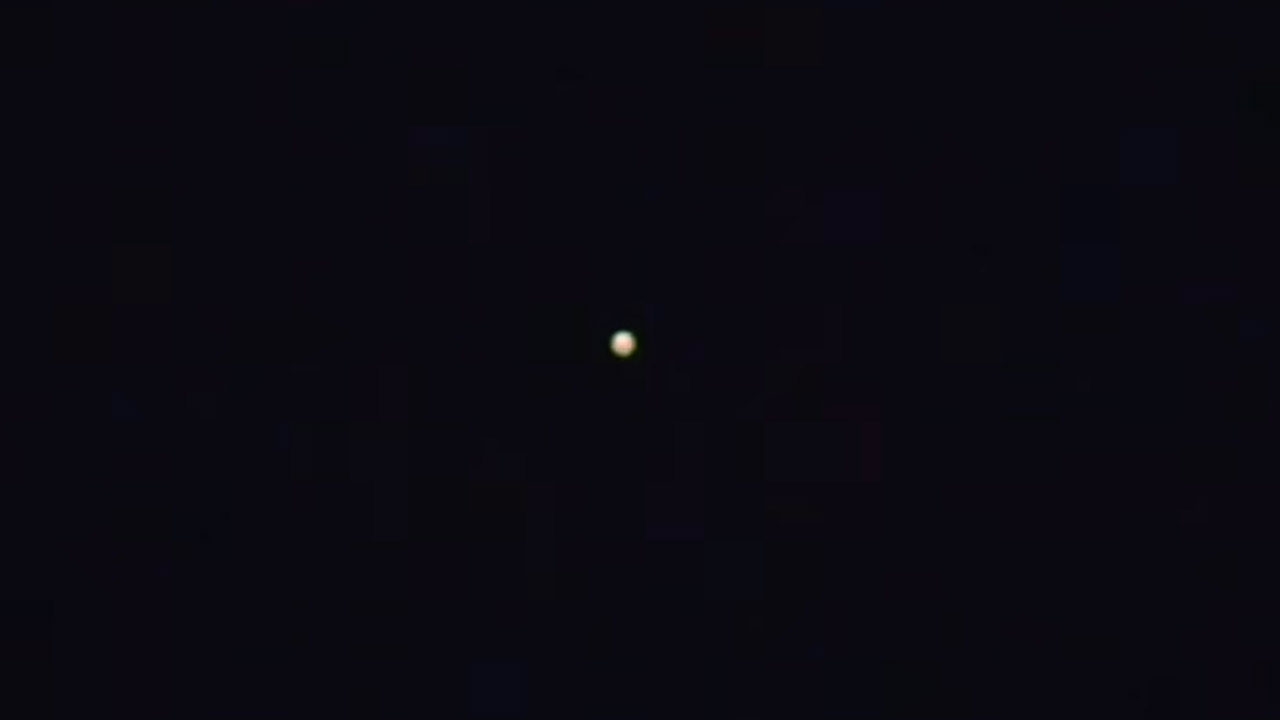
The first few passes produced exactly what he expected: a small white speck dead center in each frame. He switched to a Canon HF G70 camcorder with a 2.2x telephoto converter, which produced video rather than stills, but the results were still unimpressive. He was able to re-capture the station as a moving blob, occasionally catching a glimpse of its center body and extending solar arrays when the alignment and illumination conditions were exactly right.
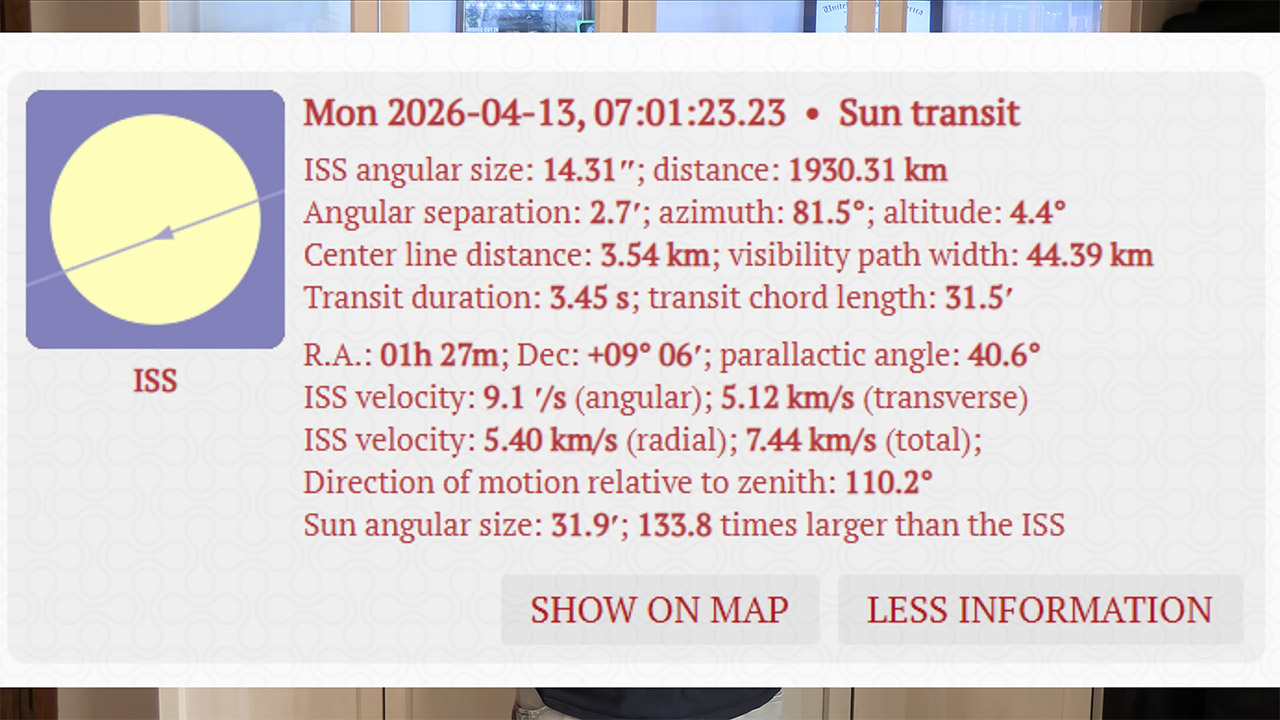
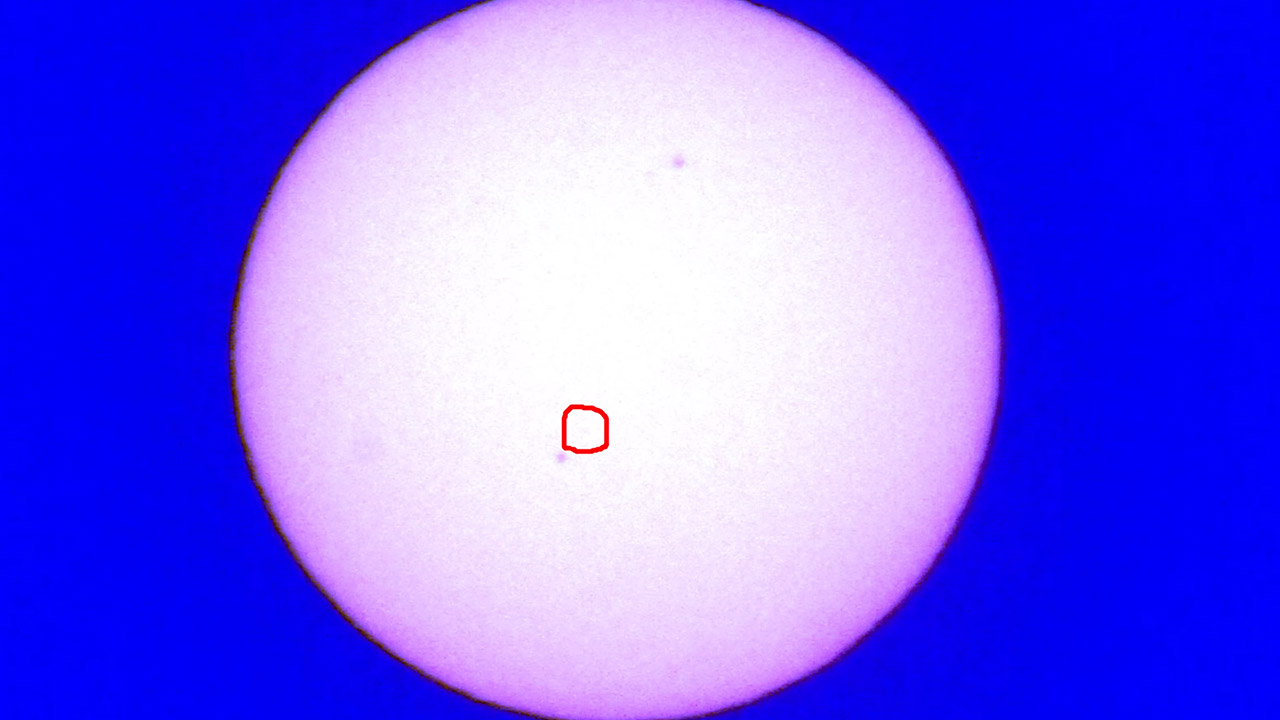
He was fired up and undeterred, so he focused on solar transits. These events last less than 4 seconds and occur low on the horizon, 12,000 kilometers away from the station. He put a pair of solar viewing glasses over the camcorder lens to block out some of the sun’s brightness, programmed the camera to capture a series of photos in quick succession at 1/250th of a second, and waited for the projected moment to arrive. But the atmospheric haze from the morning added another layer of distortion, making it a little difficult, but he still managed to capture a few frames that showed the station as a clear black speck traveling across the sun’s disk. Taking those frames and putting them together in software proved that the timing was exactly what the transit calculation predicted.
Every attempt revealed the same limitations, with the total focal length reaching a whopping 800mm on the still camera and even more on the camcorder, but the station remained too far away to capture any full-on structural details. Hand-tracked motions were a pain; there was no fancy motorized mount to speak of, so any tiny movement during the limited window could put the target straight out of view. A full moon transit was cut short by a bank of clouds and a lot of bad luck.
[Source]
