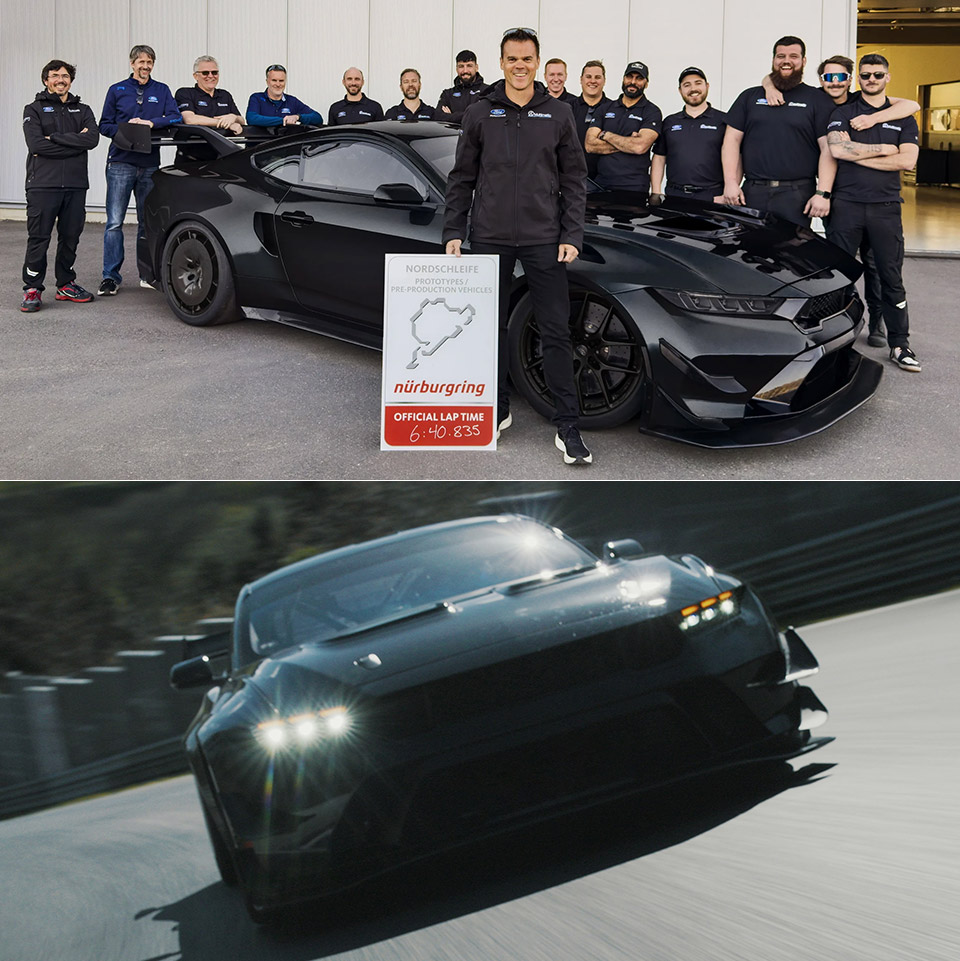
Ford engineers replied to a scorching Corvette ZR1X lap by honing the Mustang GTD. The end result was a new Competition model that lapped the Nordschleife in 6 minutes and 40.835 seconds in 2026. That lap time puts them eight seconds ahead of the Corvette ZR1X, a record that is even more astonishing given that it was set by a road-legal American car.
Dirk Muller, a long-time Ford Performance and Multimatic factory driver, took the wheel for the official lap. He knows the car inside and out, having driven it around Nordschleife before, yet he still managed to put in a consistent performance to set the new lap record without incident. Just before that, they had completed the regular GTD in 6:52.072. So an eleven-second increase was significant, and the fact that it was achieved through modifications rather than a major rebuild makes it even more amazing.

LEGO Technic 1966 Ford GT40 MKII Race Car Building Set for Adults – Collectible Toy W/Realistic Functions…
- BUILD A RACING LEGEND – Relive motorsport history with the LEGO Technic 1966 Ford GT40 MKII Race Car model kit for adults ages 18 years old and up
- REALISTIC FEATURES & FUNCTIONS – Steer using the knob on top, open the doors to explore the interior, lift the engine cover to reveal the V8 engine…
- AUTHENTIC 1966 DESIGN – This vintage race car model features iconic black and silver design inspired by the real Ford GT40 MKII champion car
The power upgrade was significant, with the supercharged 5.2-liter V8 receiving some heavy-duty hardware updates and fresh tuning to increase its output above the base GTD’s 815 horsepower, but the important thing was that the new engine didn’t sacrifice road-going reliability for extra oomph, as they simply got more out of it on the way to a track-attack. That increased power made all the difference on the Nordschleife, where there are several elevation changes and tight curves that must be mastered.
The power upgrade was significant, with the supercharged 5.2-liter V8 receiving some heavy-duty hardware updates and fresh tuning to increase its output above the base GTD’s 815 horsepower, but the important thing was that the new engine didn’t sacrifice road-going reliability for extra oomph, as they simply got more out of it on the way to a track-attack. That increased power made all the difference on the Nordschleife, where there are several elevation changes and tight curves that must be mastered.
The engine changes were not the end of it. They’d also worked on the aerodynamics, adding a new back wing, a couple extra front dive planes, and some carbon fiber aero discs to the rear wheels. These increased the car’s downforce without sacrificing any straight-line speed or altering its handling, and as a result, the Mustang adhered to the road like glue even during high-speed sections where every bit of grip counts.
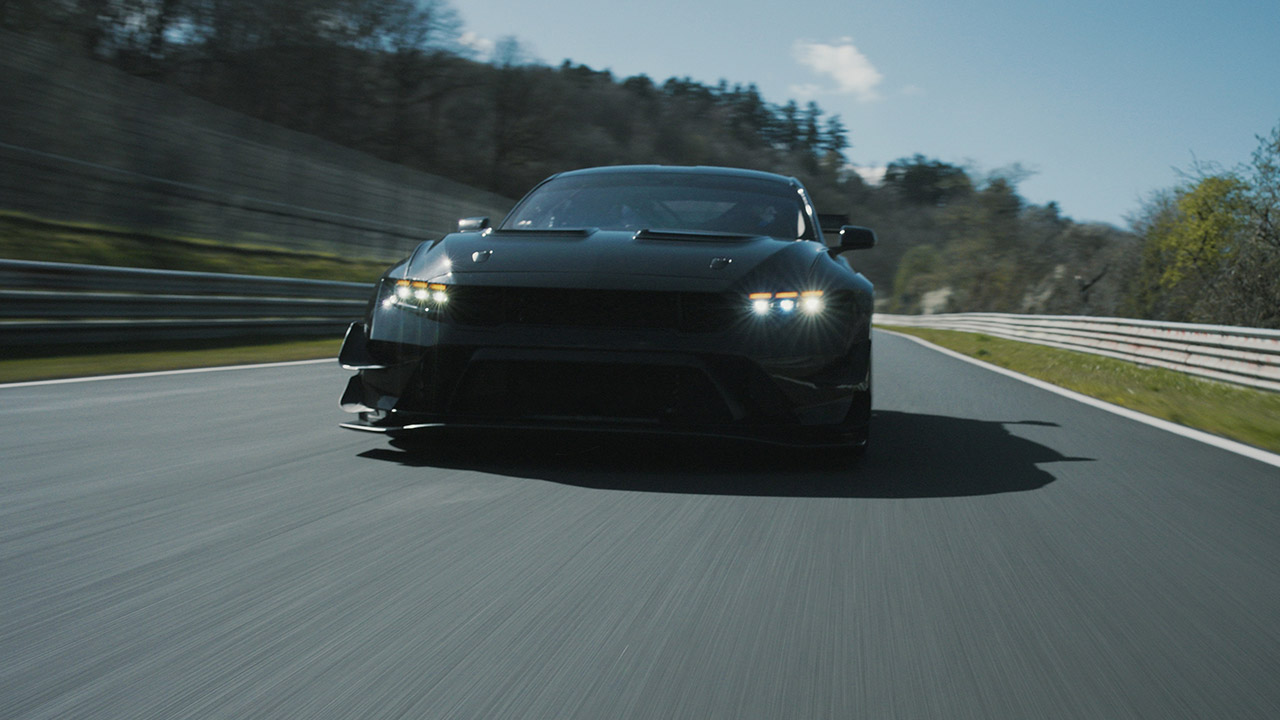
Tires and some weight tuning finished the package, as they installed some new high-performance rubber, causing the entire car to turn in tighter and brake harder. They replaced the heavier alloys with lighter magnesium wheels, reduced weight with carbon fiber bucket seats, and made the car more responsive over the Nordschleife’s bumps. The ultimate result was a car with a little higher power-to-weight ratio and a faster turn-in in all directions.
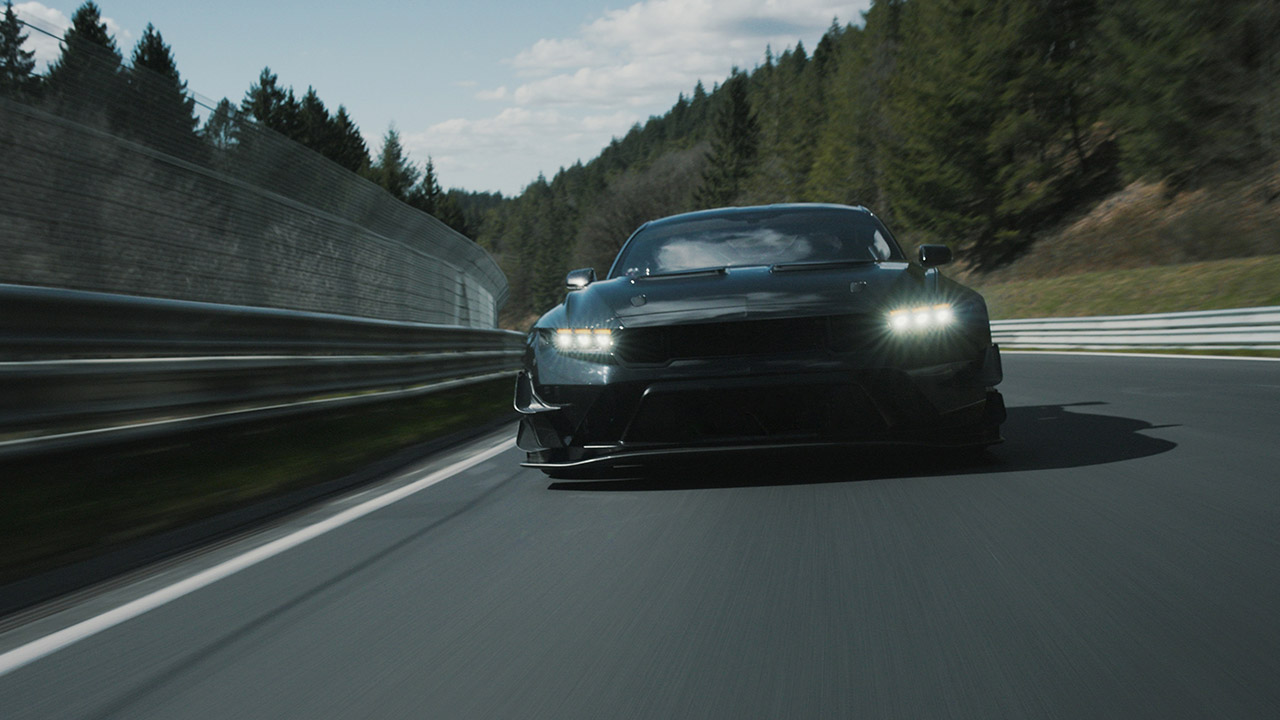
The Mustang GTD Competition is a limited production model with a price tag to match, but it can still get you to the store without requiring a tow truck. They kept everything road-legal while still delivering the goods on the track, and the factory models will be identical to the car that set the record.
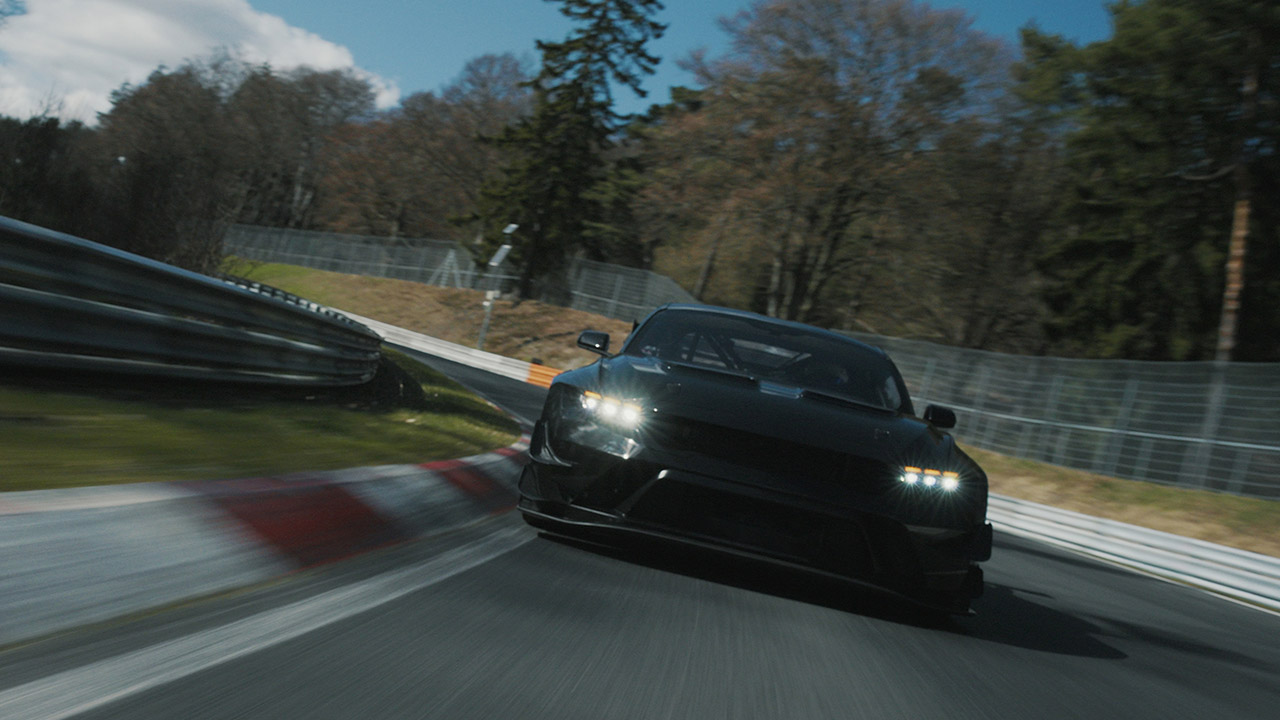
At the time of writing, the Mustang GTD Competition was sixth in the pre-production and prototype class, just ahead of a handful of purpose-built cars designed solely for the track and lacking any road-going credentials. And for American companies, this was a watershed moment: the fastest combustion-powered street car to ever lap the Nordschleife.
[Source]
