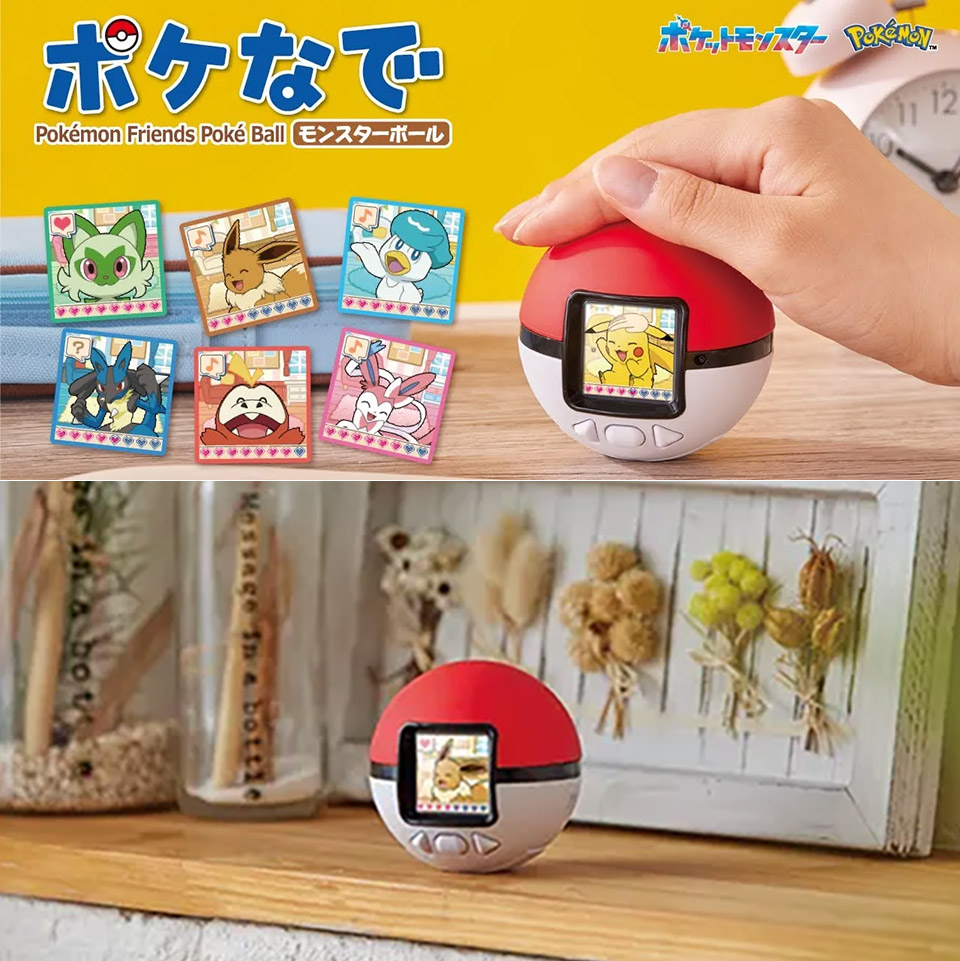
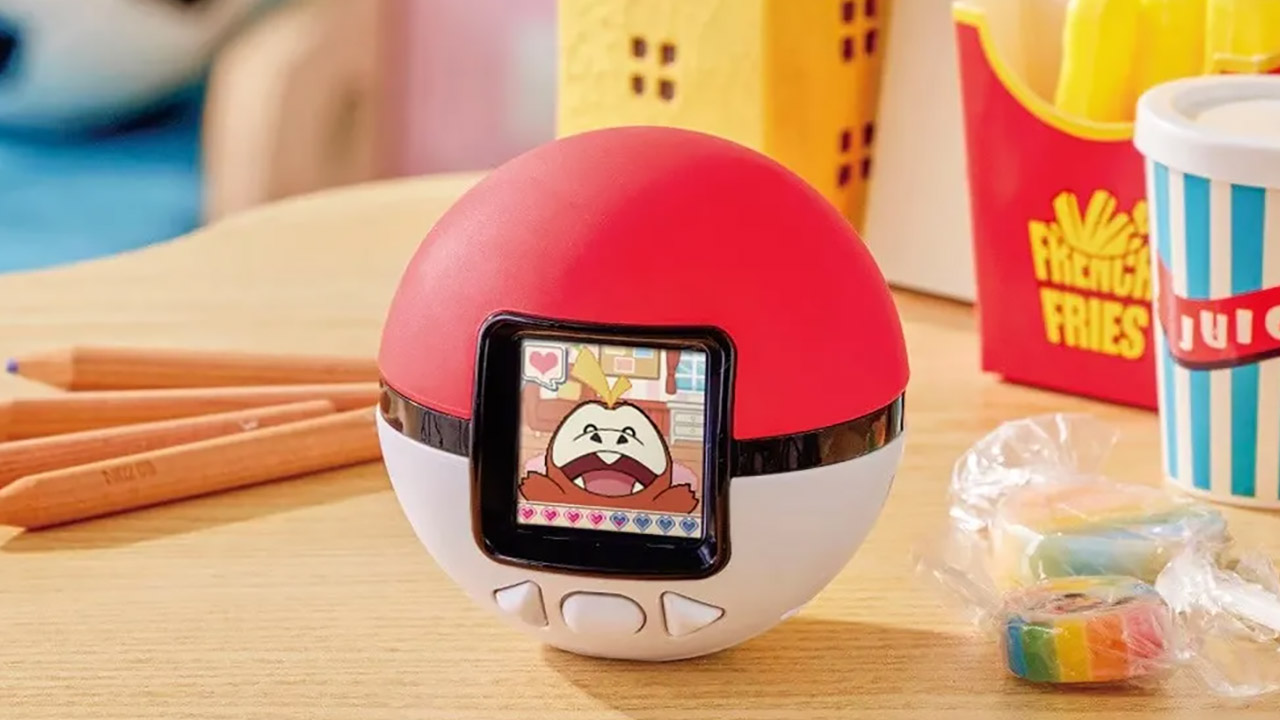
Takara Tomy has added Pokémon to the mix with the Poke-Nade Poké Ball, some 30 years after Tamagotchi first popularized the idea of carrying a needy digital creature in your pocket. This handheld device is an exact duplicate of the franchise’s iconic red-and-white ball, with a button in the center that turns on a small LCD screen.
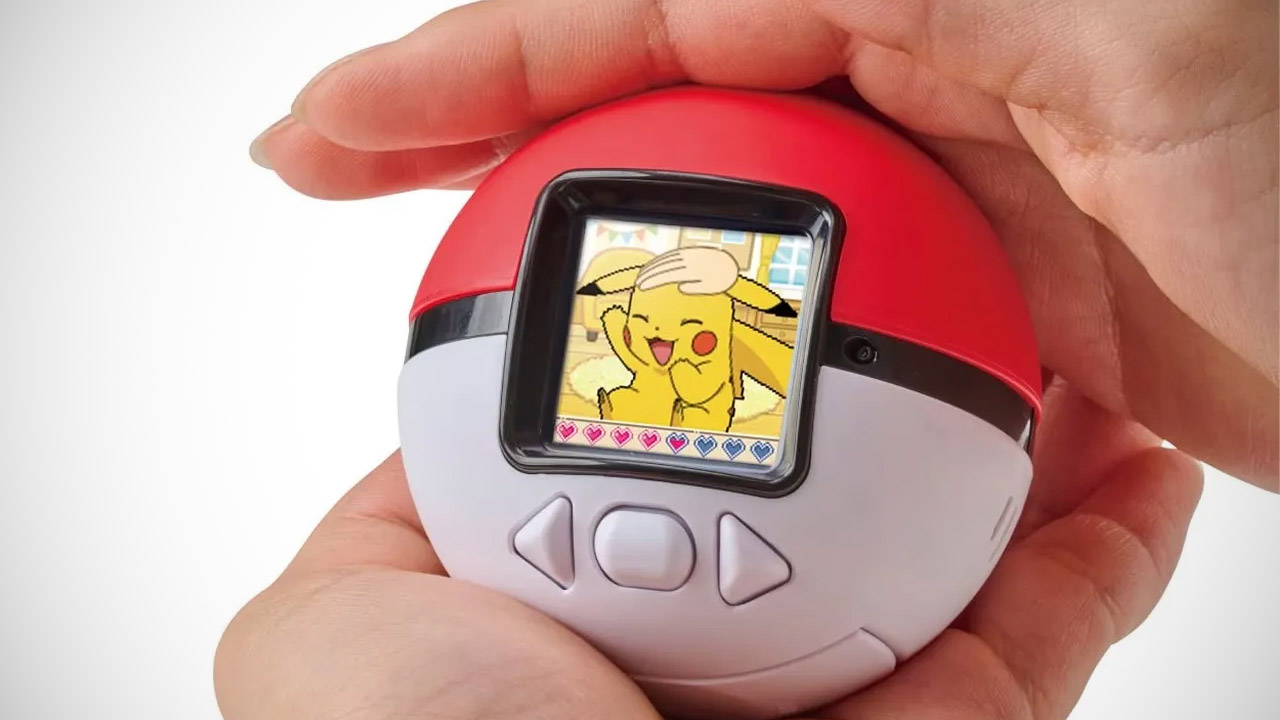
When you open the ball, a Pokémon will appear on the screen, ready to engage. Sensors in the upper half detect every stroke, tap, or pat you make, converting basic movements into dynamic responses. A steady vertical stroke may result in a joyful sigh from Pikachu, whilst a rapid horizontal swipe causes Eevee to roll across the screen. These emotions vary according on how well you’ve cared for your companion—better companionship results in brighter eyes and more active replies.
The “partners” are seven Pokémon, each with unique artwork and voice acting. Pikachu crackles with electricity while playing, Eevee coos when gently caressed, and Lucario screams commands in pretend warfare. Sprigatito, Fuecoco, Quaxly, and Sylveon round out the gang; their noises are right from the games. The other 150 “friends” Pokémon are just photos with no voices or dynamic locations, but when you engage with them, they come to life with simple movements. Over time, you’ll unlock these partners through wild encounters, accumulating a roster that spans the entire area, from Kanto to Paldea.
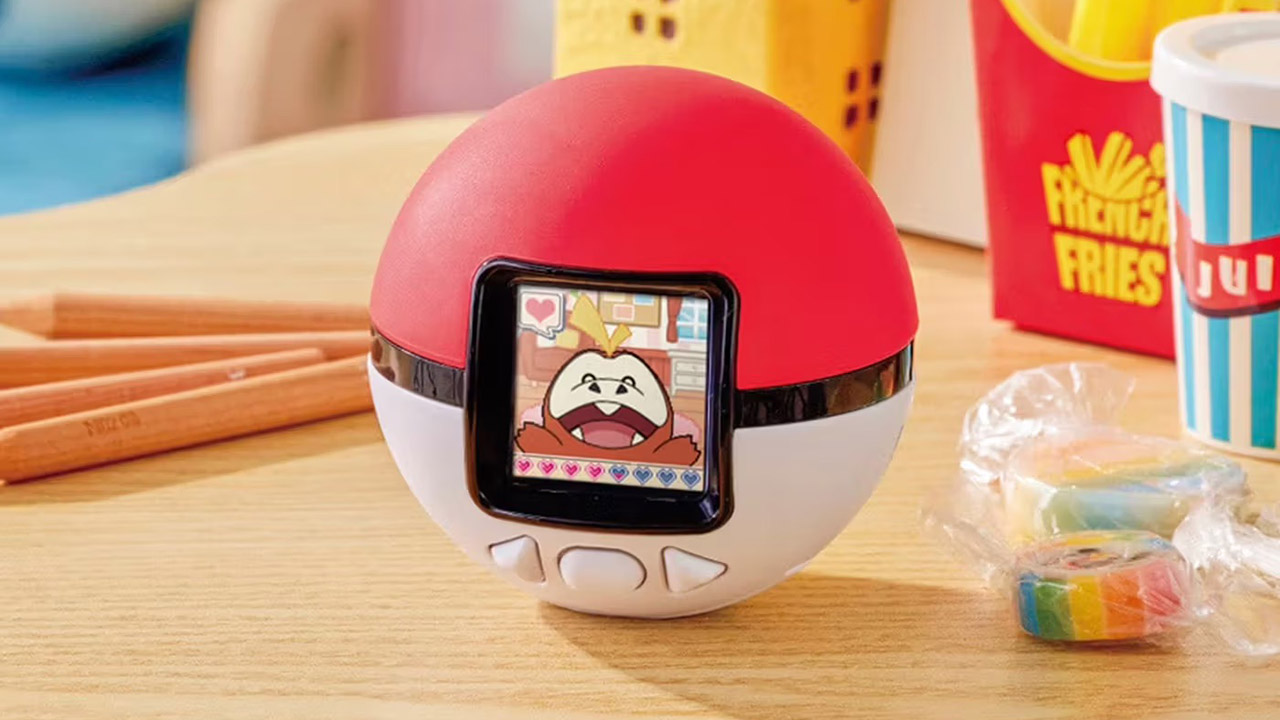
Feed your Pokémon berries or cakes to replenish their energy, or use a few taps to remove dirt after a recent adventure. Play occurs in brief bursts: hide-and-seek, where you guess hidden places, music sessions that sync to simple melodies, or bouts against wild ones. Success in these situations fills the friendship meter, which is a luminous bar that fills up and opens new interactions.
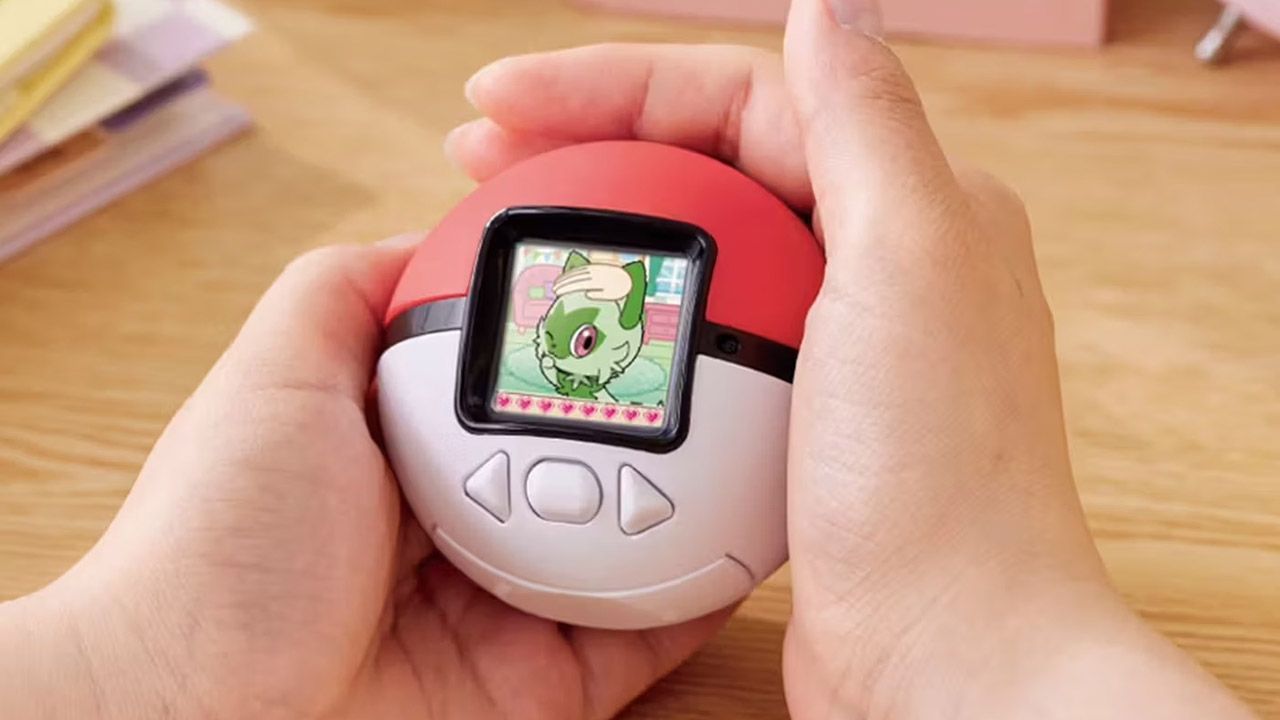
Battles add a layer of strategy by allowing you to enter a small arena and choose moves from a simple menu to fight computer-controlled opponents. Wins unlock new captures, and your friend list will expand with newcomers such as Charizard and Mimikyu. Each profile includes the Pokémon’s type and how you met, transforming random achievements into a personal trophy collection.
A built-in notebook captures these events in time, writing entries for noteworthy occasions such as the afternoon Fuecoco learnt a new move or the evening Quaxly slept through a storm of taps. Flipping through the pages seems like you’re in a scrapbook from a never-ending adventure. Change the language in the settings to English or Japanese, and the interface adapts seamlessly, allowing people all over the world to play.
Takara Tomy’s online mall and select electronics retailers debuted the Poke-Nade in Japan for ¥7,480 (about $50 depending on currency rate) a few weeks ago. Demand was overwhelming, as supplies sold out within hours of distribution at stores such as Yodobashi and Bic Camera. International purchasers are turning to import services, which can cost $90 or more after shipping and fees.
