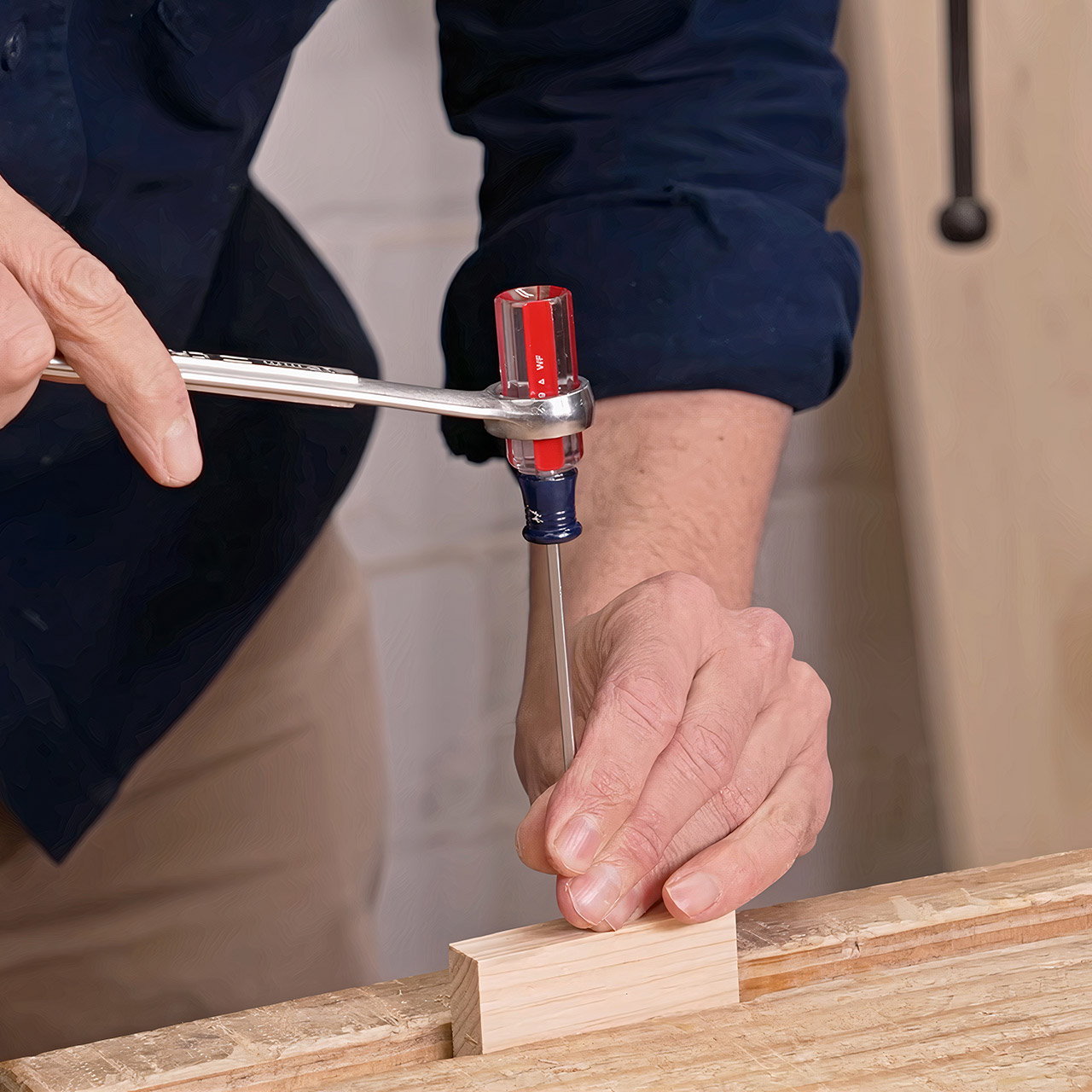
Screwdrivers sit quietly in toolboxes around the world, and most people reach for one without ever wondering about the handle. Yet that handle carries a design story that stretches back more than 150 years and explains every curve, flute, and flat surface on the tool you use today.
Woodworkers in 19th-century Sheffield, England were the first to use the London pattern to produce chisel handles. It had a rounded end, eight flat sides, and a small section in the centre. They wanted something they could grab onto for hours of precise cutting, and the design worked well, with no tiredness and complete control. As the number of machine-made screws increased, screwdrivers began to use the same handle style, as you can see. Early versions were simply files converted into improvised drivers, but the chisel-inspired grip proved to be exactly what was required to spin screws without stripping the slot or losing hold.
Sale

HOTO 25-Piece Upgraded Electric Screwdriver Kit, 1/4” Hex, Magnetic Lid, 1500mAh Rechargeable Cordless…
- Premium 25-Piece Screwdriver Set: Includes 25 S2 steel bits with 60HRC hardness for exceptional durability, featuring 1 extended PH2 bit and…
- Three Torque Settings: Offers three adjustable torque levels for different applications. Electric mode delivers up to 4 N·m, while manual mode…
- Long-Lasting 1500mAh Battery: Powered by a 1500mAh high-capacity rechargeable battery for consistent performance. The Type-C charging port allows a…
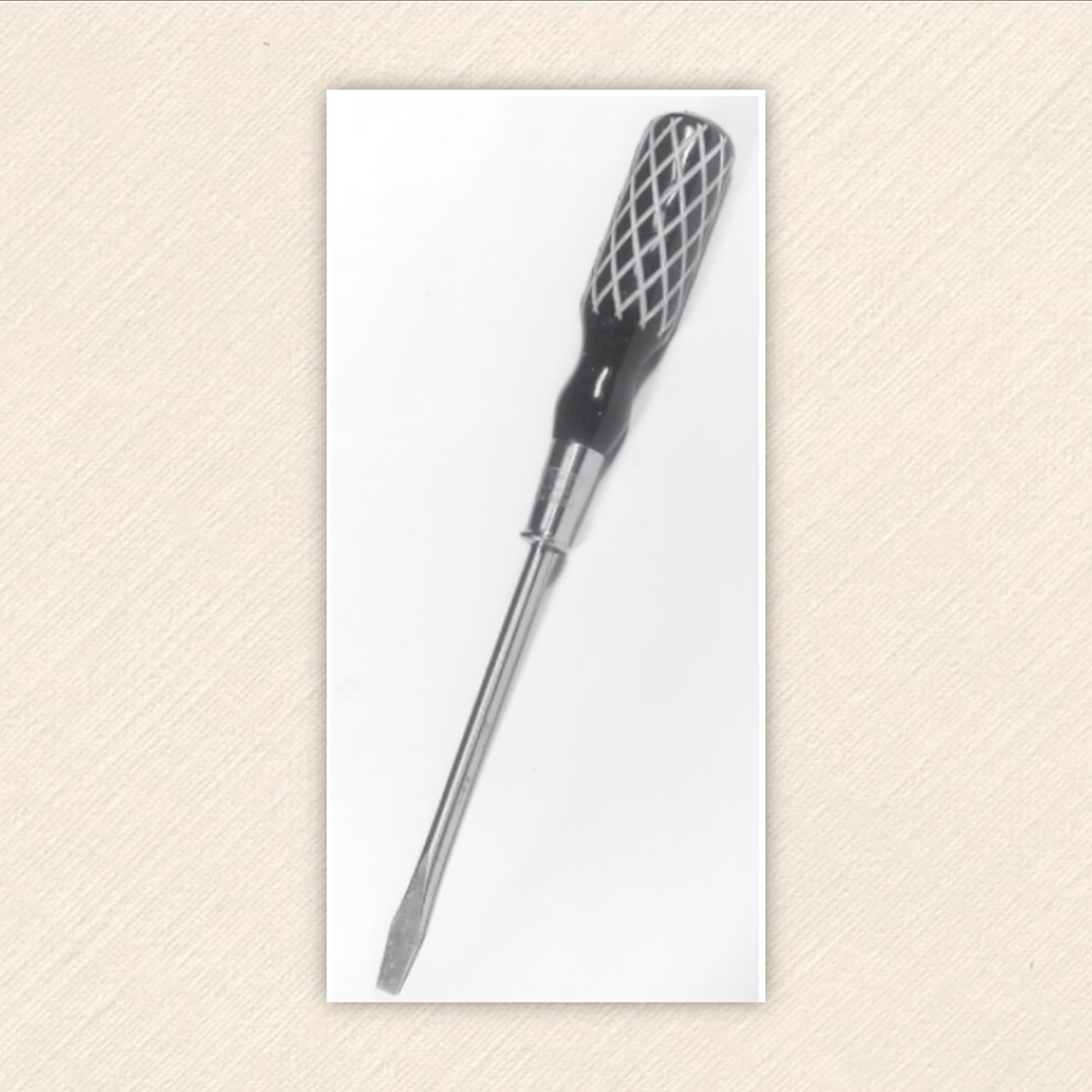
Each section of this handle serves a specific role. The flutes running down the sides prevent the tool from rolling off the workbench and provide something substantial to press against, allowing the handle to generate greater torque than a simple cylinder. At the same time, such flutes make a large handle feel smaller and more comfortable in your palm, which makes a significant difference while driving hundreds of screws in a succession. There is a thin waist near the metal bit, which provides a natural place for your thumb and forefinger. From there, you may spin the driver with one hand for speed or wrap your other hand over the pommel for more power on stubborn fasteners.
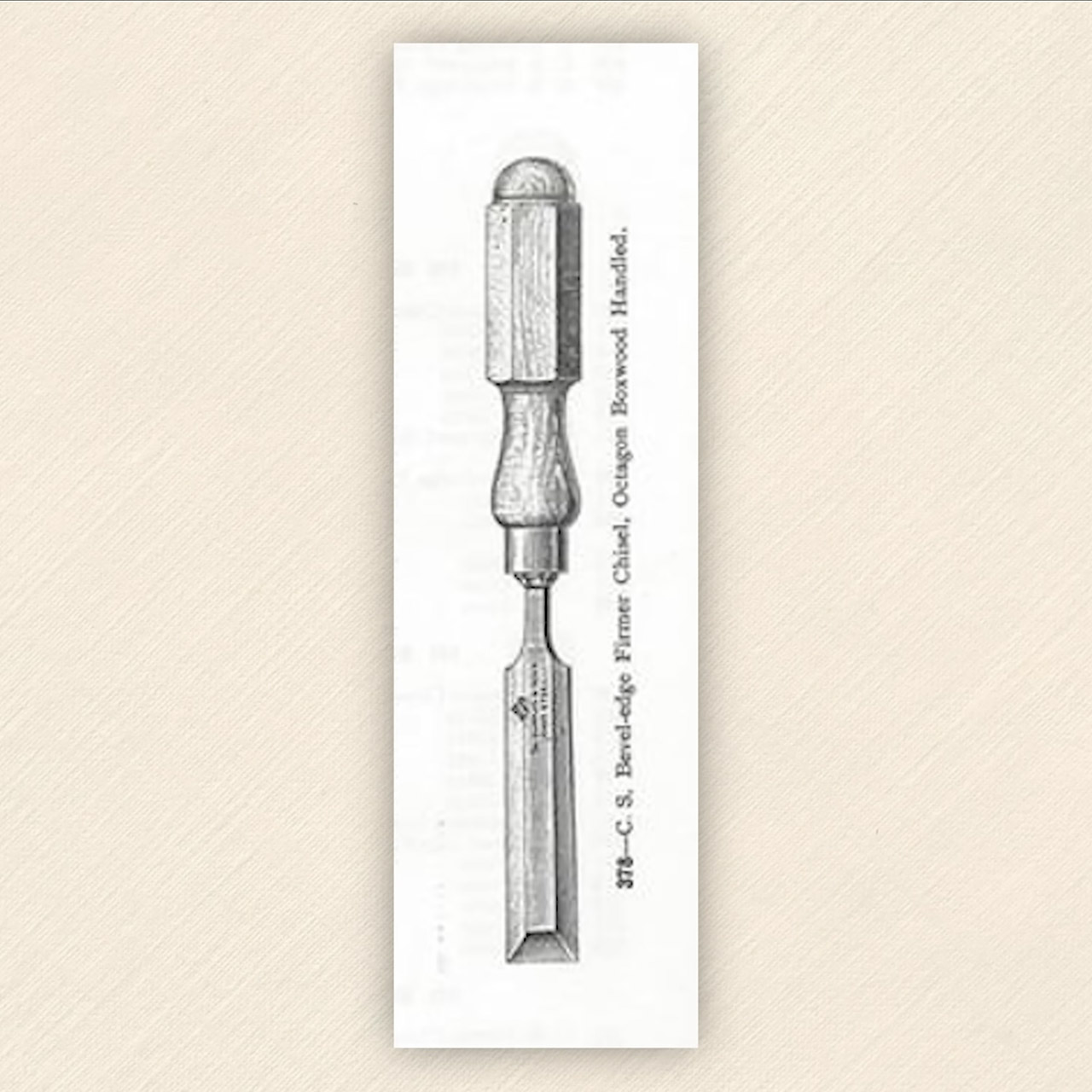
The pommel itself sits slightly flattened so it rolls smoothly against your palm when you push and turn at the same time. All these details add up to several different ways to hold the tool, each suited to a different job. These early screwdrivers already exhibited hints of this type of thinking. Some manufacturers would grind flat spots onto the blade so that pliers could clamp on and multiply the force, and the handle would then follow the chisel handle design because delicate screws in tight spaces required careful control, and if you applied too much pressure or it slipped, you’d destroy the screw head – the eight-sided grip helped prevent that from happening.
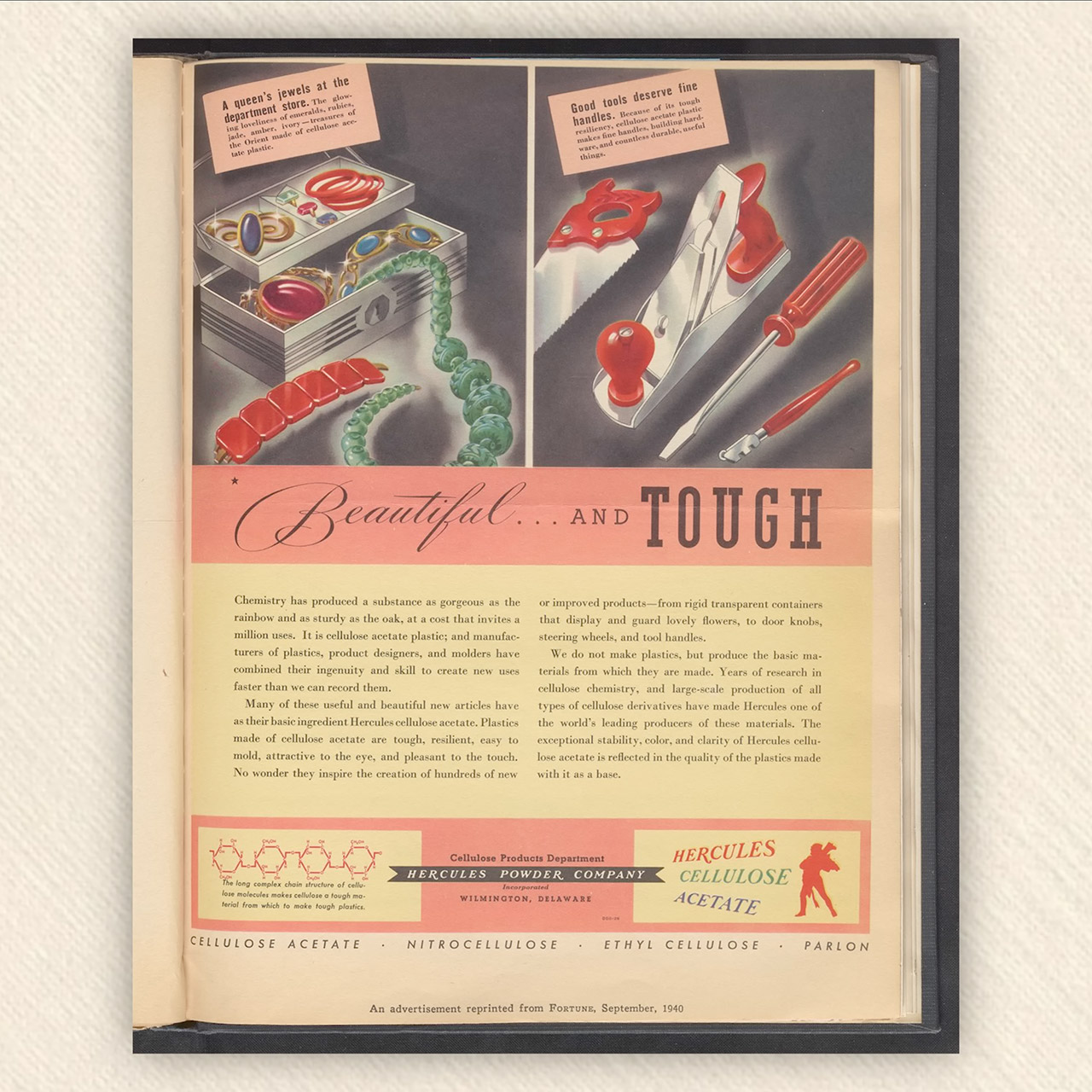
Plastic appeared in the middle of the twentieth century and revolutionized everything. Wood handles functioned well, but they could crack, swell, or require regular finishing. However, with cellulose acetate and later polymers, companies were able to cast complex structures in one go. Flutes became much deeper and sharper without compromising the grip, and the waist could curve exactly as a hand expected it to. The coating also securely secured the steel shaft in place, ensuring that the driver never came loose even after heavy use. Suddenly, the previous form became even more useful and reasonably priced for everyday tool packs.
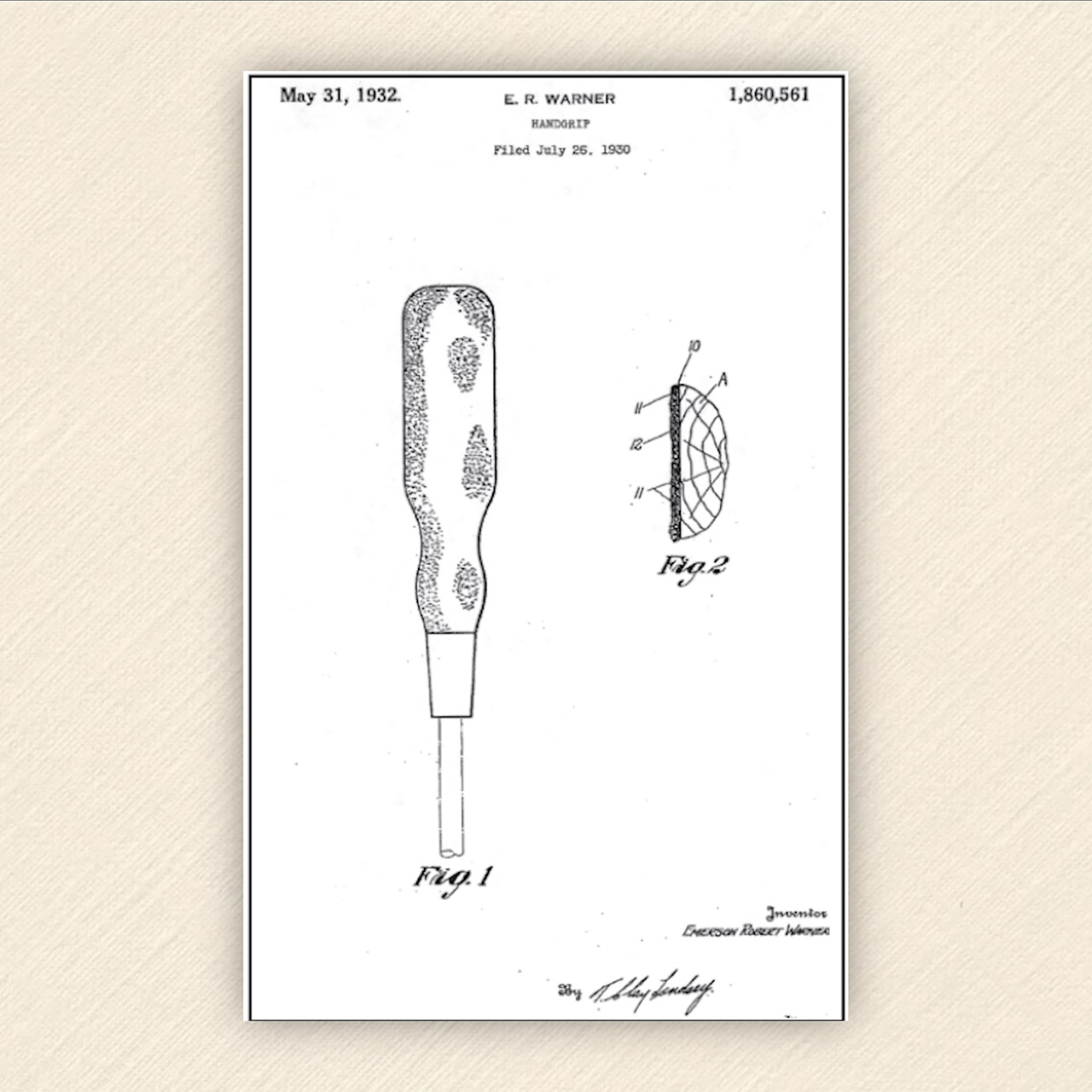
Later on, some makers experimented with sand-coated grips, spiral grooves, and even devices. However, none of those were particularly long-lasting. The fluted plastic handle with six sides was the clear winner because it retained all of the functionality of the previous design, and those six flat faces even allow a regular wrench to slide over the handle and be used as a cheater bar when extra leverage is required, a trick that many people discover by accident but is perfectly consistent with the tool’s long history of clever ideas and modifications.
[Source]
