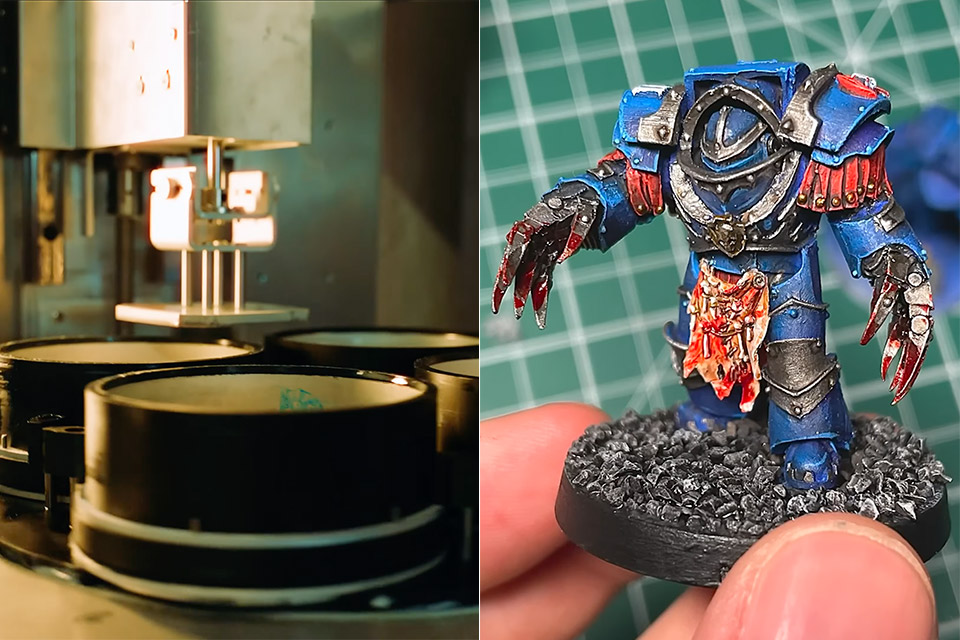
Resin 3D printers have stuck to a single material through every layer for years because switching resins always brought contamination and extra cleanup. Eric Potempa watched that limitation long enough to do something about it. He founded Polysynth in 2025 with backing from Founders Inc and created the P1, a machine that brings up to eight different resins into the same print job without stopping for manual intervention.
The process begins with a carousel containing eight miniature circular tanks that surround the build area. Each tank contains a different type of resin, ranging from stiff plastic to super-soft flexible goo to unique conductive formulae capable of carrying an electric current. The build platform slides directly into one of the tanks, and the UV laser quickly zaps the entire layer with that neat DLP process. After that, the platform pops back up before returning to the next layer, which whips around at high speed. The centrifugal force simply flings any remaining drops of uncured resin off the part and back into the tank, a very slick trick. Then, a servo coupled to a mechanical linkage slams on the brakes, locking the platform back into place with a few microns of accuracy. It goes down into the next tank, and before you know it, you have a new layer.

Bambu Lab A1 3D Printer, Support Multi-Color 3D Printing, High Speed & Precision, Full-Auto Calibration…
- High-Speed Precision: Experience unparalleled speed and precision with the Bambu Lab A1 3D Printer. With an impressive acceleration of 10,000 mm/s…
- Multi-Color Printing with AMS lite: Unlock your creativity with vibrant and multi-colored 3D prints. The Bambu Lab A1 3D printers make multi-color…
- Full-Auto Calibration: Say goodbye to manual calibration hassles. The A1 3D printer takes care of all the calibration processes automatically…
That cleaning spin is what allows the multi-material resin to function. Older approaches either wasted resin swirling about in large common tanks, or they required a separate washing station, which slowed everything down and increased the possibility of resin clashes. Polysynth works in the opposite way, with numerous little tanks that ensure there is always just enough resin for the job. The spin also leaves the surface immaculate and ready for the next resin, eliminating the need for any additional procedures or solvents. And because supports may often be placed directly near to the main item without contacting it, the finish is extremely smooth and easy to clean.
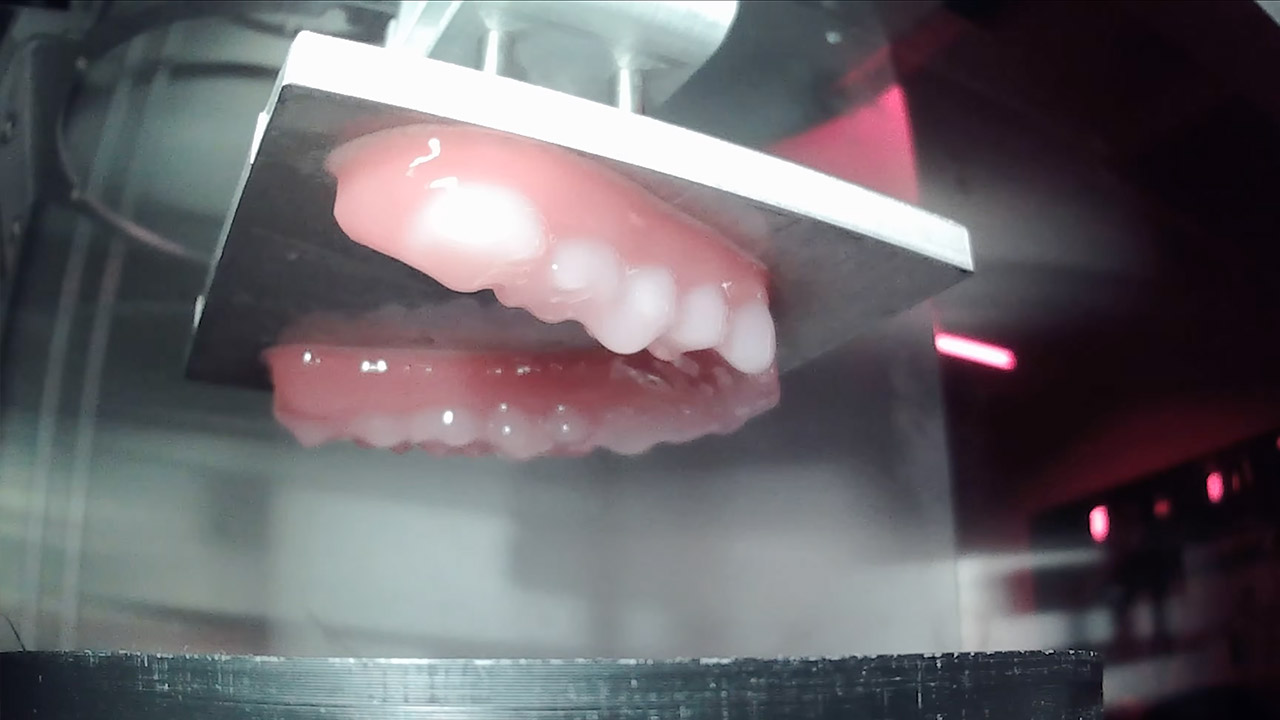
Dental labs are an early priority since the P1 uses biocompatible resins that meet all clinical standards. With the correct resin, you can print a full denture in one go, complete with hard tooth-colored portions pasted directly onto soft gum-like material. There is no need for any further moulding or gluing; simply drop the print in and you’re finished. The micron-level precision is perfect, just what dentists expect. The same method applies to surgical guides and personalized crowns that mix super-hard portions with flexible zones in a single component.
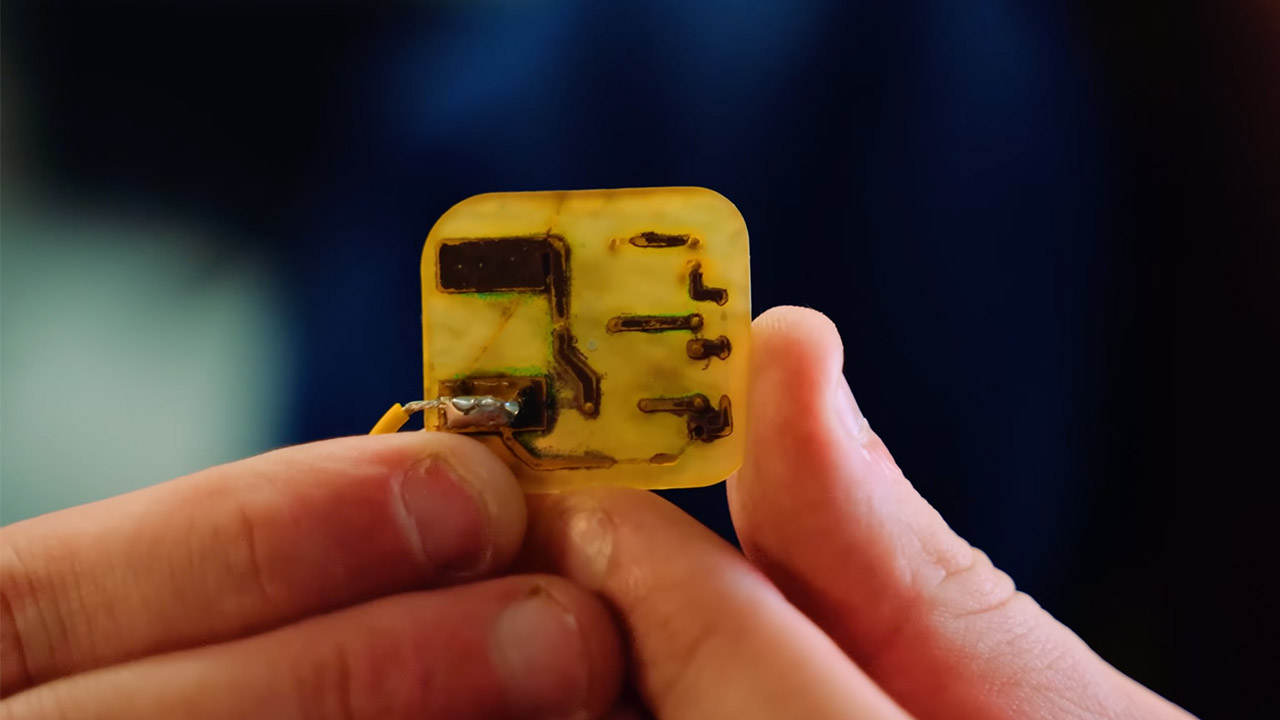
It’s equally as important for electronics prototyping because conductive resins can lay down entire circuits and traces within a structural housing in a single print cycle. The wiring is already incorporated in the completed item, so you can simply slap it into your project without having to solder or do any further assembly processes. Early demonstrations showed rudimentary circuit boards and flexible components manufactured simultaneously. Wearable sensors are clearly next on the list; consider rigid frames with elastic parts and built-in conducting channels, all printed in one go.
The machine starts at $4,999 and can be pre-ordered right now on the Polysynth website. Shipping dates have not been announced yet, but the business is optimistic that the P1 will be the first multi-material resin printer to reach customers. Print speeds are still fairly competitive because the DLP system zaps entire layers so quickly, and the spin cycle only adds a few seconds between resin changes. Of course, thicker resins require some tuning to get the spin just right, but the team has already worked out the most common dentistry and engineering resins.
[Source]
