Linux was the Wild West of computing in the late 1990s and early 2000s. Hundreds of distributions emerged with bold ambitions: to dethrone Windows, make open-source software accessible to everyday users, and redefine what a personal computer could be. As floppy disks gave way to LiveCDs, each new distro carried the promise of a better, freer operating system.
A few of these projects gained serious momentum, building large communities, appearing on magazine cover discs, and inspiring intense loyalty across enthusiast forums. Over time, though, the landscape changed. Ubuntu absorbed much of the desktop Linux audience; enterprise adoption narrowed around a smaller group of dominant distributions, and containers fundamentally changed the server world. Many of the distros that once commanded huge attention now exist only on the fringes or have faded from relevance altogether.

These 4 Linux distros are a bad idea — avoid them at all costs
Install them only if you hate yourself.
Mandrake Linux
The people’s distro, briefly
Before user-friendly operating systems became common in the open-source world, installing alternative software often required a frightening amount of technical knowledge and patience. Then, in 1998, Gaël Duval shifted the conversation with Mandrake Linux. Mandrake Linux came with DrakX, a graphical installer that guided users through partitioning and system setup in a way that felt visual and approachable rather than cryptic. It also made a bold call by shipping the K Desktop Environment by default (laying the groundwork for what would eventually evolve into the highly customizable KDE Plasma desktop environment) at a time when licensing concerns made many projects hesitant. Those decisions gave the distribution a welcoming personality that drew in a huge global user base.
The momentum didn’t last forever. A strange trademark dispute involving the comic character Mandrake the Magician consumed valuable time and money at exactly the wrong moment. Later, a merger with the Brazilian company Conectiva led to the creation of Mandriva, but the newly branded company struggled to stay financially stable as free competitors gained ground. Eventually, the company filed for bankruptcy, and the remains of the once-celebrated project were splintered into various community-driven forks, which are now considered the best alternatives to Mandriva Linux that keep its spirit alive today.
Caldera OpenLinux
Born in a boardroom, died in a courtroom

In the early days, corporate environments treated open-source software as a messy liability rather than a serious business option. Caldera OpenLinux was built to calm those concerns, packaging a more conservative, stability-focused system that came with printed manuals and bundled proprietary productivity software to make it intuitive in office settings.
The technical side of the project was quite impressive for its time. Caldera shipped with an acclaimed graphical installer called Lizard, short for Linux Wizard, which could even launch directly from an existing Windows partition. The company also packed the distribution with database tools, e-commerce capabilities, and networking utilities designed to fit neatly into established NetWare and Windows office environments.
Everything changed after Caldera Systems acquired The Santa Cruz Operation’s UnixWare and server software assets in 2000. By 2002, the company had rebranded itself as The SCO Group under CEO Darl McBride. It redirected its efforts toward a barrage of intellectual property lawsuits against companies such as IBM and Novell. SCO claimed Linux contained proprietary Unix code, a move that ignited outrage across the tech industry and rapidly destroyed the company’s credibility. The legal campaign dragged on for years before courts determined that SCO did not actually own key Unix copyrights as it claimed. Bankruptcy followed, and a company once associated with making Linux accessible to businesses became remembered primarily as one of tech’s most infamous acts of corporate self-destruction.
Yellow Dog Linux
Built for a Mac era that no longer exists
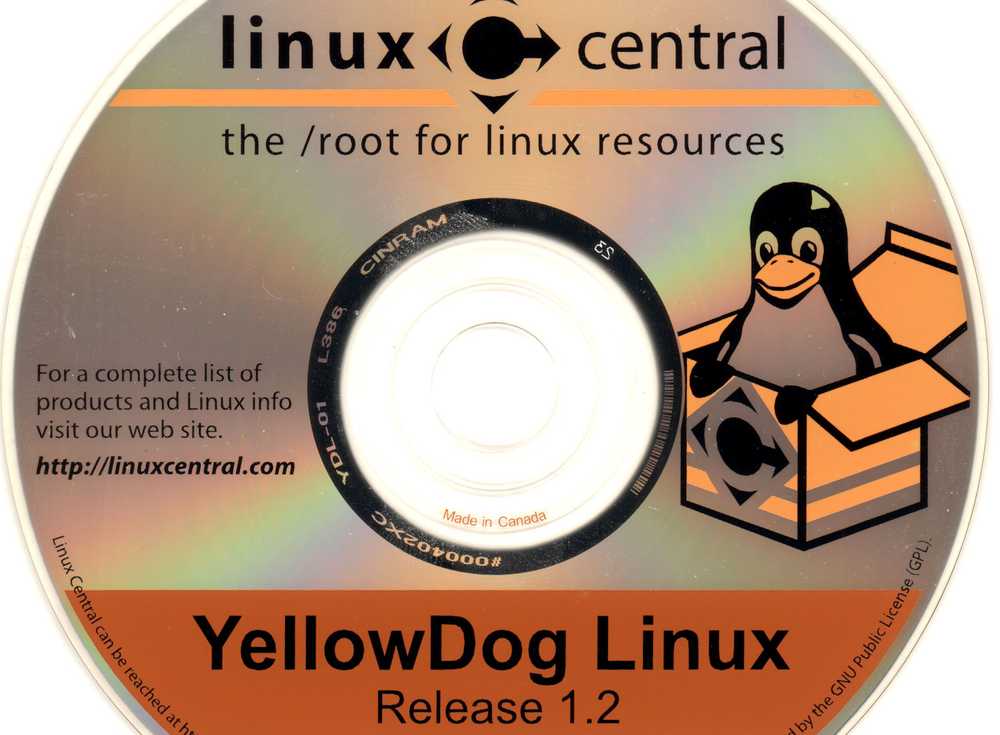
Yellow Dog Linux occupied a fascinating corner of the Linux world by focusing almost entirely on the PowerPC architecture, rather than on the x86 processors that dominated most PCs at the time. For many Apple Macintosh users stuck with the aging limitations of classic macOS, it offered a stable, multi-threaded environment that felt far ahead of what they were used to. The company behind it, Terra Soft Solutions, even became the only business officially licensed to sell Apple hardware with a preinstalled alternative operating system, creating an unusual overlap between Apple’s industrial design and open-source software culture.
Its reputation reached another level when Yellow Dog Linux became the primary operating system for the PlayStation 3 through Sony’s “OtherOS” feature. That capability allowed users to turn a PlayStation 3 into a functioning Linux computer and tap into the unusual multi-core power of the Cell processor. Researchers quickly realized they could chain large numbers of PlayStation 3 consoles together into low-cost computing clusters for astrophysics simulations, cryptography work, and other computationally brutal tasks that would normally require far more expensive supercomputers.
The ecosystem unraveled fairly quickly afterward. Apple moved its hardware lineup over to Intel processors, shrinking the PowerPC world overnight, and Sony later removed the ability to install alternative operating systems through the PlayStation 3’s 2010 firmware update v3.21. Once those two pillars disappeared, Yellow Dog Linux lost the environment that had made it relevant in the first place.
Knoppix
It invented the trick the world now takes for granted
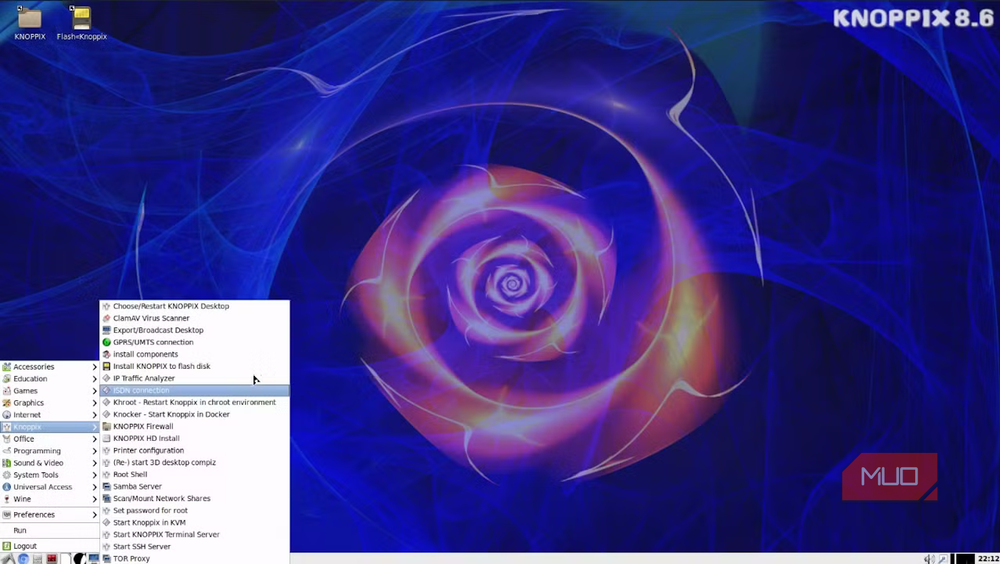
Back in the early days, trying a new operating system usually meant gambling with your existing setup. You had to re-partition your hard drive, hope you didn’t wipe anything important, and commit to the process before you even knew whether the system worked well on your hardware. Then, in 2000, Klaus Knopper upended that whole experience with Knoppix.
Knoppix could boot entirely from a single CD, which was borderline magical at the time. Through clever real-time compression techniques, it managed to squeeze an enormous collection of applications into a tiny amount of storage space. You could pop in the disc and launch straight into a working desktop without touching the hard drive at all. This foundational idea paved the way for you to easily build your own bootable Linux live CD and made it invaluable for troubleshooting broken systems, recovering files from damaged drives, or diagnosing network problems on machines that refused to boot normally.
The idea spread quickly because it solved a very real fear people had about experimenting with Linux in the first place. Over time, live boot environments became a standard feature across mainstream distributions, eventually becoming part of the normal installation process. The original wow factor faded as the concept became commonplace, though the engineering behind Knoppix still deserves a fair amount of admiration.
CentOS
Red Hat giveth, Red Hat taketh away
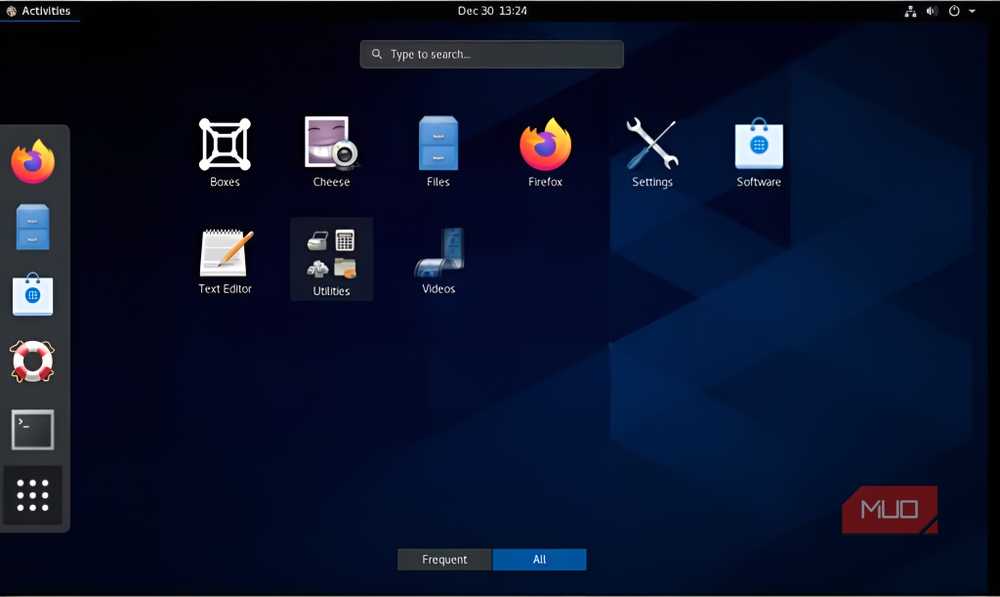
For well over a decade, CentOS was practically synonymous with Linux web servers. It delivered the stability and compatibility of Red Hat Enterprise Linux without the licensing fees, which made it hugely popular with hosting providers, developers, startups, and small businesses that needed a dependable production environment without wrecking their budgets. If you rented a Linux VPS in the 2010s, there was a decent chance CentOS was humming away underneath it.
That long-standing relationship fractured in December 2020 when Red Hat announced that CentOS would no longer function as a downstream rebuild of RHEL and would transition to CentOS Stream, a rolling-release platform positioned upstream of Red Hat Enterprise Linux. Many users felt caught off guard by the change because it fundamentally altered what they relied on CentOS for in the first place: long-term stability and predictability.
The reaction was swift. Projects like Rocky Linux and AlmaLinux quickly absorbed a huge portion of the displaced community, almost in real time. CentOS still exists today, though its identity and purpose have diverged from the role that once made it indispensable across the server world.
Pop!_OS
System76’s longest beta test
Pop!_OS seems like an outlier on this list because it’s still relatively young. The distribution launched in 2017 through System76 and rose to prominence with remarkable speed. Gamers, developers, and STEM professionals arriving from Windows gravitated toward it for a few key reasons: painless NVIDIA driver support, a polished custom GNOME setup, and an elegant keyboard-focused tiling system that made multitasking feel fluid. For a while, Pop!_OS seemed to appear on nearly every “best Linux distro for beginners” recommendation list on the internet.
The atmosphere shifted when System76 announced plans to rebuild the entire desktop experience around COSMIC, a brand-new Rust-based desktop environment developed from the ground up. It was an ambitious move, and one that kept the project in a prolonged state of transition while development stretched on for years. When COSMIC finally arrived officially with the Pop!_OS 24.04 LTS release in early 2026, the rollout brought the kind of turbulence that early adopters know well — missing features, rough edges, and stability quirks that hadn’t fully settled yet.
Pop!_OS still has a strong following, though it no longer occupies that near-universal “easy recommendation” status it once held so effortlessly.
The best distros teach on their way out
Every distro on this list contributed ideas about live booting, source-level optimization, enterprise stability, and consumer accessibility that quietly shaped the distributions people reach for today. Ubuntu, Fedora, Arch, and their descendants did not emerge from nothing; they were built on lessons learned by the projects that came before them. The Linux world has always been less about winners and losers and more about iteration. The distros that fade do not disappear without leaving something behind, and that, perhaps, is the most Linux thing about all of this.
