After 15 years, Google is finally set to replace its much-loved and much-maligned Chromebook laptop series with something new.
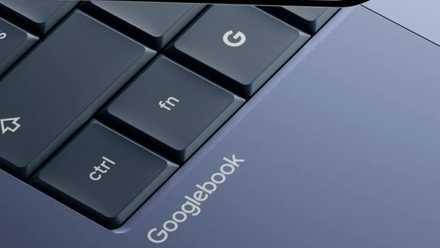
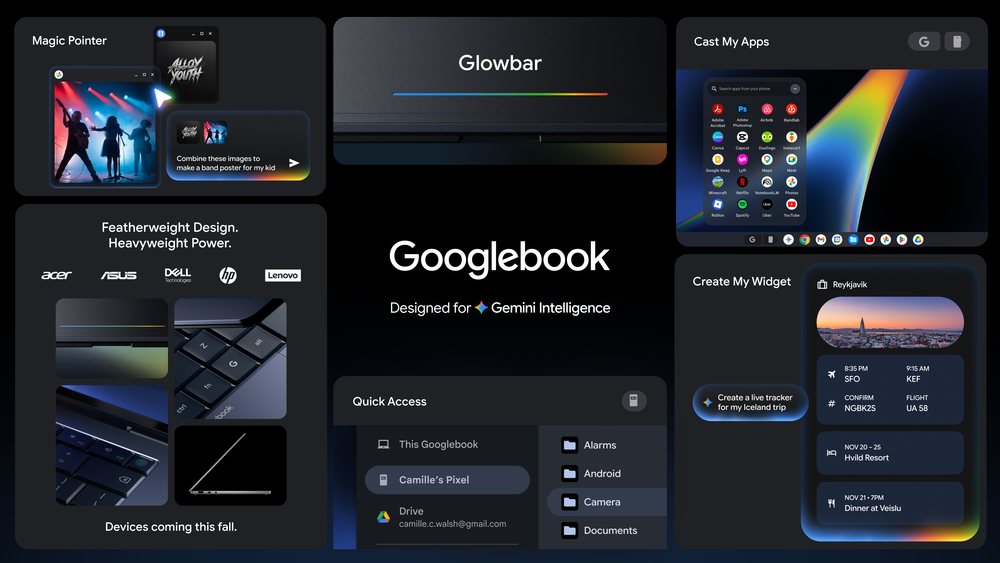
The all-new Googlebook series is set to launch this Fall, and is, as you’d expect, centered around AI with Google Gemini baked into every part of the operating system. But with a host of big laptop manufacturing names already onside, such as Acer, Asus, Dell, HP, and Lenovo, the Googlebook range looks like it’s off to a strong start.
Google won’t say so outright, but Googlebook is functionally the successor to the Chromebook. But that means to really be successful, it needs to learn from the mistakes it makes with Chromebooks and Chrome OS — especially the long list of self-inflicted wounds.
The biggest reason to buy a Googlebook is already coming to Chrome on your old laptop
You almost had me, Google
Chromebooks weren’t always honest
What was the platform for?
On one hand, you knew exactly what to expect with a Chromebook. Fast, simple, secure, browser-first experiences.
It was often the other side that wasn’t as clear as it could be. Could a Chromebook replace a Windows laptop? Not really. Better for creative output than a MacBook? Again, no. Chrome OS and Chromebooks in general had performance and application gaps that made it difficult for them to truly compete.
But it wasn’t just the big apps. In the early days, Chrome OS didn’t have a proper functioning offline mode for many apps and tools, local file management was negligible, and the whole idea that “everything works in the browser” constantly fell short.
If the rumors are true, Googlebook laptops will be built using Android as their foundation, which means they’ll be deeply dependent on Google Play and the vast array of Android apps. Given Chrome OS also had access to Android apps, it’s all adding up to a situation where Google must really consider what a Googlebook is.
Avoid the Chromebook AUE cliff-edge
Accidental minimal security updates
For years, Chromebooks had a security update problem. Folks would head down to the store and buy what looked like a new Chromebook, only to discover that it had a limited number of security updates remaining.
As Chromebooks would remain in stock for long periods, eventually, the defined security update period would expire. Many Chromebooks would sit on the shelves for years, giving their eventual owner just a couple of years of security updates without any recourse.
In fairness to Google, it did attempt to rectify this, extending the auto-update expiration (AUE) period to ten years, which is really good going for what were ostensibly cheap, almost throwaway laptops.
Google is positioning its new Googlebook range as a premium laptop. While we haven’t seen any information regarding pricing, premium buyers expect premium longevity. That means multi-year update guarantees, constant security updates, and more, with an upfront commitment.
Abandoning its own hardware line
Pixelbook no
For years, Google’s own investment in the Chromebook line was the strongest indicator that it could be taken seriously. But after 2019’s Pixelbook Go, Google basically just said, “Nah.”
Since then, Google hasn’t produced another Chrome OS laptop, and while its manufacturing partners like Acer, ASUS, and so on continued rolling out great Chromebooks, Google did not.
It’s a shame, really, as the Pixelbook series was great, pushing Chromebook and Chrome OS design forward, showing that Google really believed in its own hardware and operating system. But when that stopped, it did somewhat cast a shadow on Chromebooks in general, especially given their already uncertain footing in the tech world.
If Googlebook is to succeed, it needs strong, continued backing from Google, and that means in-house development. Currently, there is no word if Google intends to develop its own Googlebook lineup, and I’ve already mentioned its OEM partners.
But I’d love to see Google learn from the mistake of binning off the Pixelbook range and answer the real question: Just what is a Googlebook to Google?
Escape the classrooms and the education system
Make it easier to be taken seriously

I’ve owned a good few Chromebooks over the years, but I mostly remember them from classrooms and other educational settings. It’s remarkable that Chromebooks and Chrome OS became so strongly associated with learning, and giving the opportunity for millions of people to access computing, digital learning, and so it is vital.
I’m not arguing against that in general.
But Googlebook as a concept should push away from that and jump into the premium bracket. As we understand it, the Googlebook laptops will focus heavily on Gemini’s AI, with AI features like Magic Pointer,premium materials and build quality, plus the deep Android integration previously mentioned.
How people interact with apps, agents and data during their workday is fundamentally changing. Googlebooks will bring people the power of Gemini Intelligence directly within the context of their workflows. For example, with Magic Pointer, you can set up a meeting with a simple shift of your cursor over a calendar date. Or you can create custom GenAI widgets to organize your daily files, team meetings, and more, to help you get work and learning done right from your home screen.
Google has the opportunity to push Googlebook as something new and refreshing, but could easily be undermined with the association of low-powered, under-specced machines only designed for limited classroom use. Without it, Googlebook risks the same fate as Chromebooks — a platform defined by its cheapest implementations rather than its best ones.
I Wish I’d Known These 7 Downsides to Chromebooks Before Buying One
Chromebooks are great, but I really wish I’d known these issues before buying one.
It’s not the end of the road for your old Chromebook, either
One of the first issues with the new Googlebook range that came to my mind was the existing Chromebooks. What happens to Chrome OS and all the Chromebooks already out there?
Well, according to the above interview between ChromeUnboxed and Google VP John Maletis, some existing models will be able to upgrade to the new platform. Similarly, a Google post titled “Our continued commitment to Chromebooks, and looking ahead” also suggests that Chromebooks aren’t quite on the scrap heap yet; could it be that Googlebook and Chromebook will coexist?
The same video also states that Googlebook laptops will use a range of hardware, including Intel, Qualcomm, and MediaTek chips, which suggests a range of capabilities, but the potential for some super-high-end performers when the time comes.
