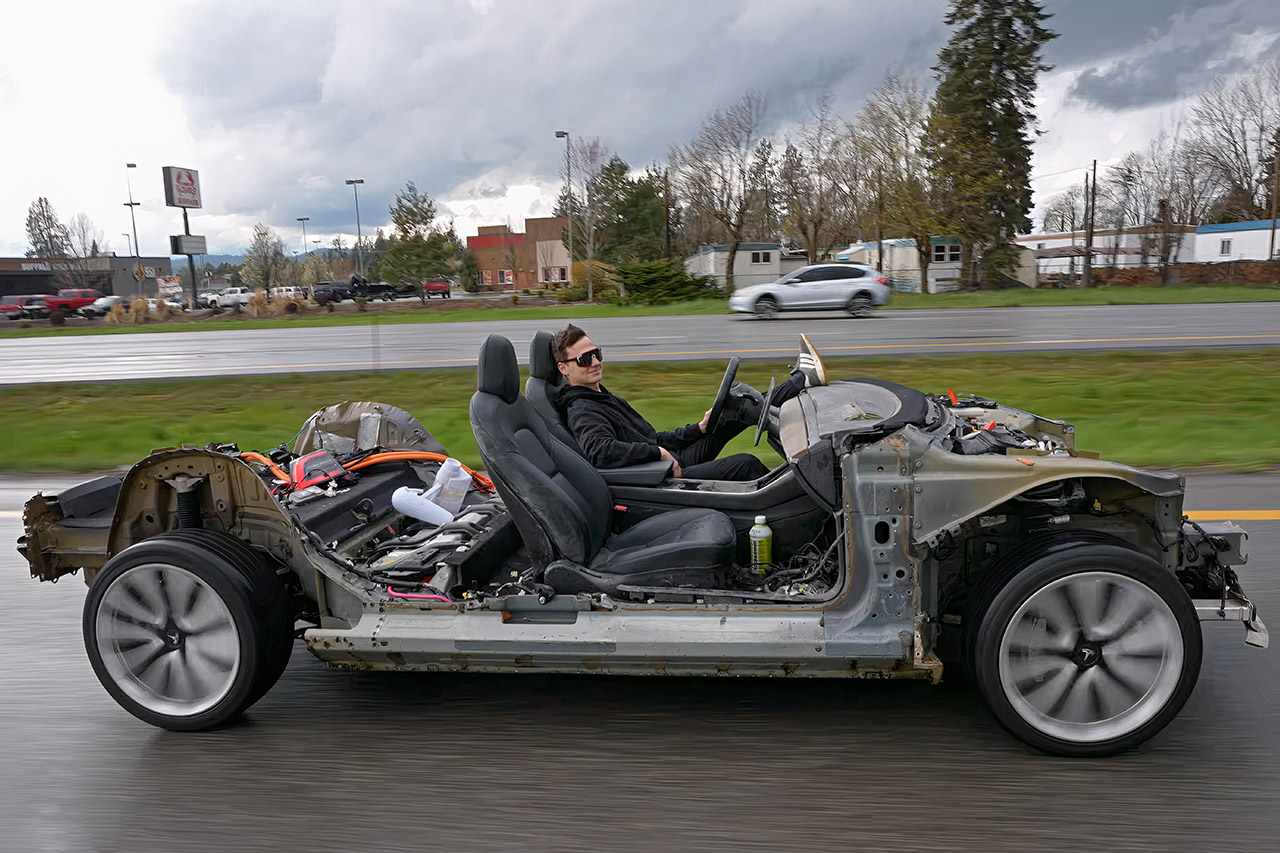
Remmy Evans learned via a friend that a Tesla Model 3 was sitting in some guy’s driveway in Idaho. The owner had bought it cheaply with the intention of removing the drivetrain and installing it in an old car from the 1970s, but he abandoned the plan after realizing how much time the body work would take. Evans was able to negotiate a price of exactly $2k and walk away with a rolling chassis that was still capable of moving on its own.
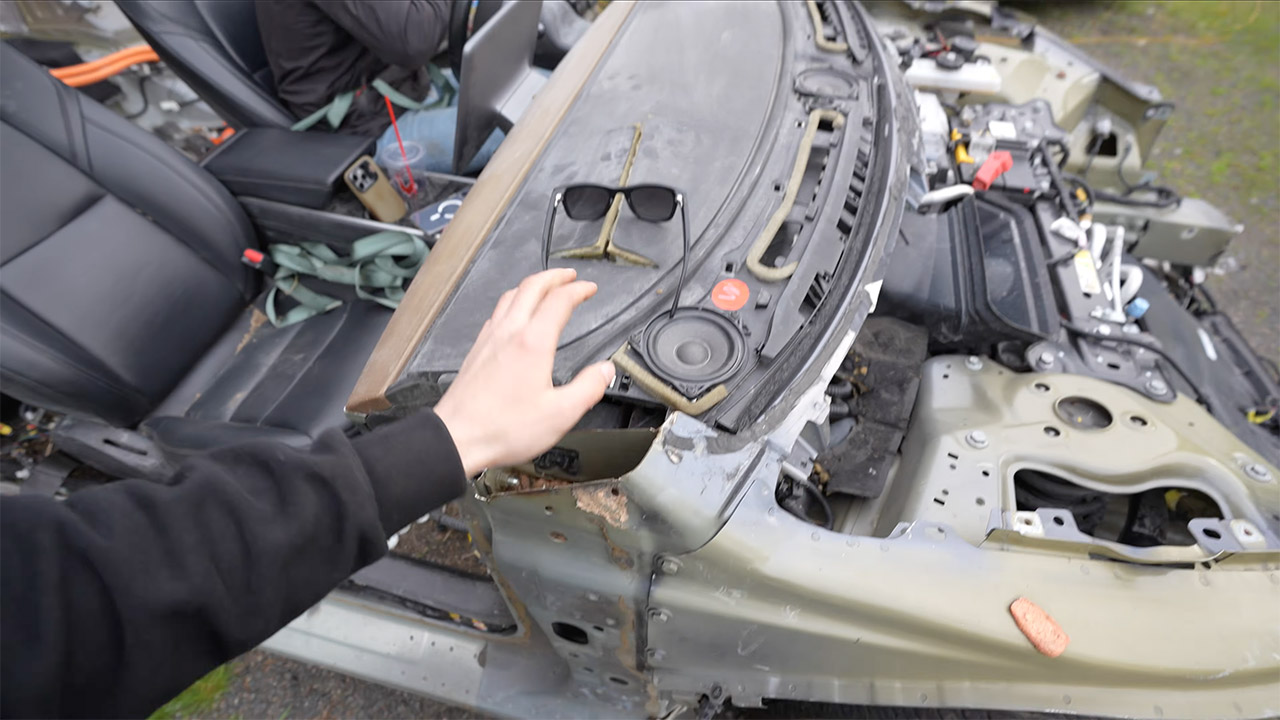
The seats and steering wheel remained in place, as did the motors, battery pack, and center screen. Everything else had been stripped out. There were no body panels remaining, including the windshield. The tires were so worn down that you could see the wires through the rubber in a couple locations, and this car had been lying unregistered for at least two years. Nonetheless, the electric motors started immediately away, and the readout displayed a full battery charge.
Sale

Segway Ninebot S2 Electric Self-Balancing Scooter – Master Your Commute w/t 11.2 mph Max. Speed, 21.7 Mi…
- Speed & Range: Experience exhilarating rides with the Ninebot S2’s impressive top speed of 11.2 mph and range of 21.7 miles.
- Beginner-Friendly: Perfect for riders aged 16-50, the Segway S2 features a user-friendly learning mode, providing a smooth and gradual introduction.
- Adjustable & Supportive: Enjoy a customized fit tailored to your needs, as the Segway S2 accommodates heights ranging from 4’3″ to 6’6″ and supports…
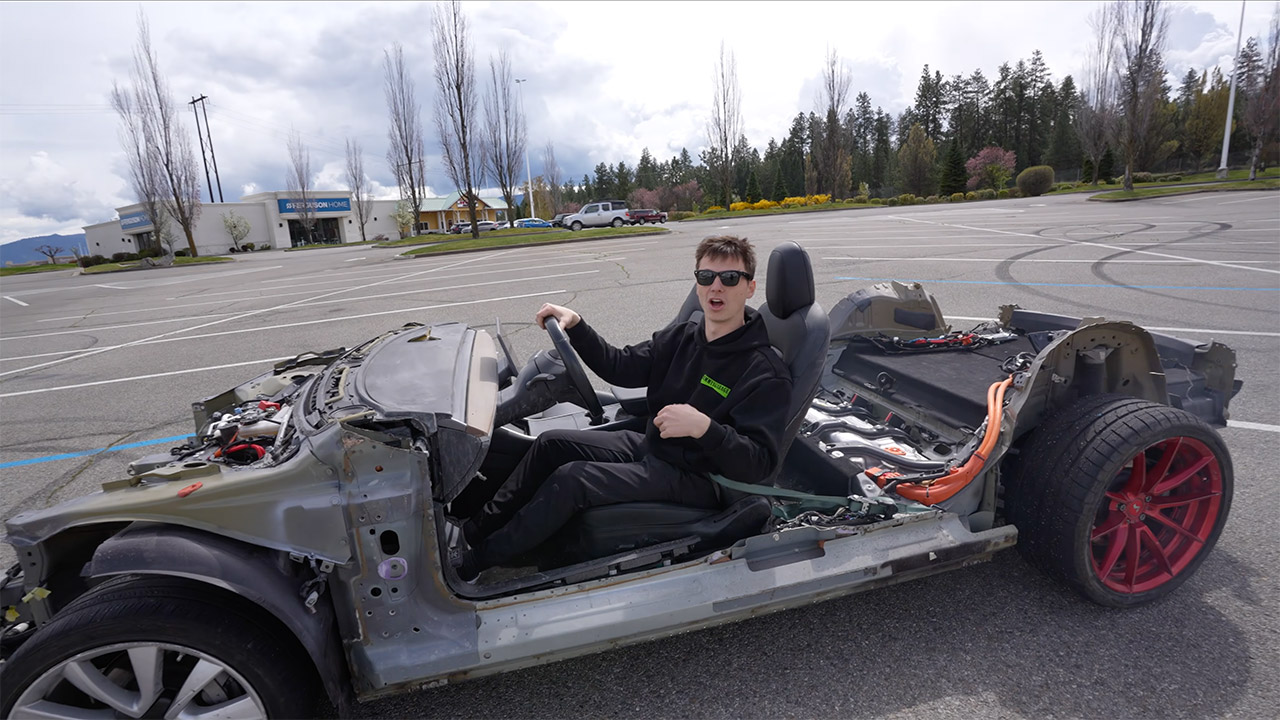
Evans fitted it with bright red wheels and new tires so that it could really grip the road rather than destroying the tires every time he turned the wheel. As a safety measure, he looped a heavy-duty ratchet strap across his lap, similar to a makeshift harness. He also disabled the car’s road-sensing safety measures, allowing it to run freely in track mode.
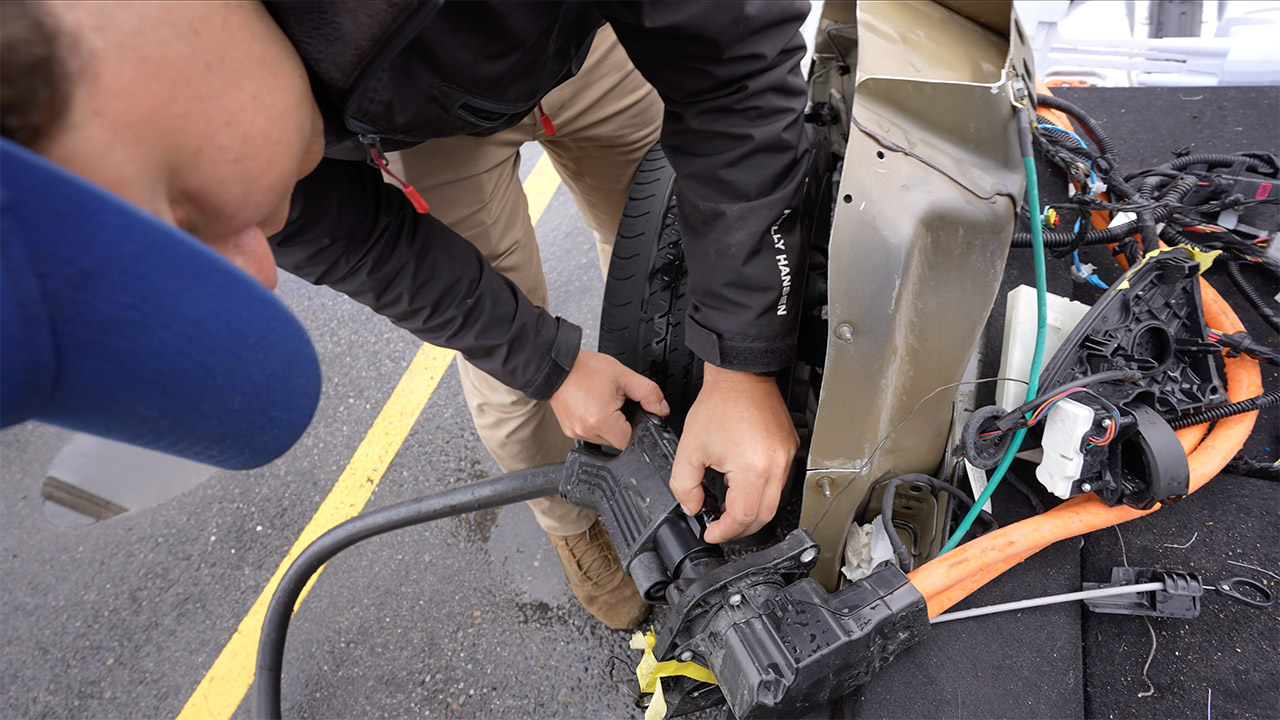
However, charging was a potential disaster. The first attempt at a fast charger was unsuccessful since the adapter just would not fit the port. Evans went to a hardware store, got a cutting tool, and fixed the problem by cutting the top of the adaptor on the spot so it could slide in. Once connected, the battery charged to full capacity and the LCD displayed 212 miles of range remaining. Home charging took roughly 7 or 8 hours on a Level 2 unit, or closer to 14 hours on a standard wall plug.
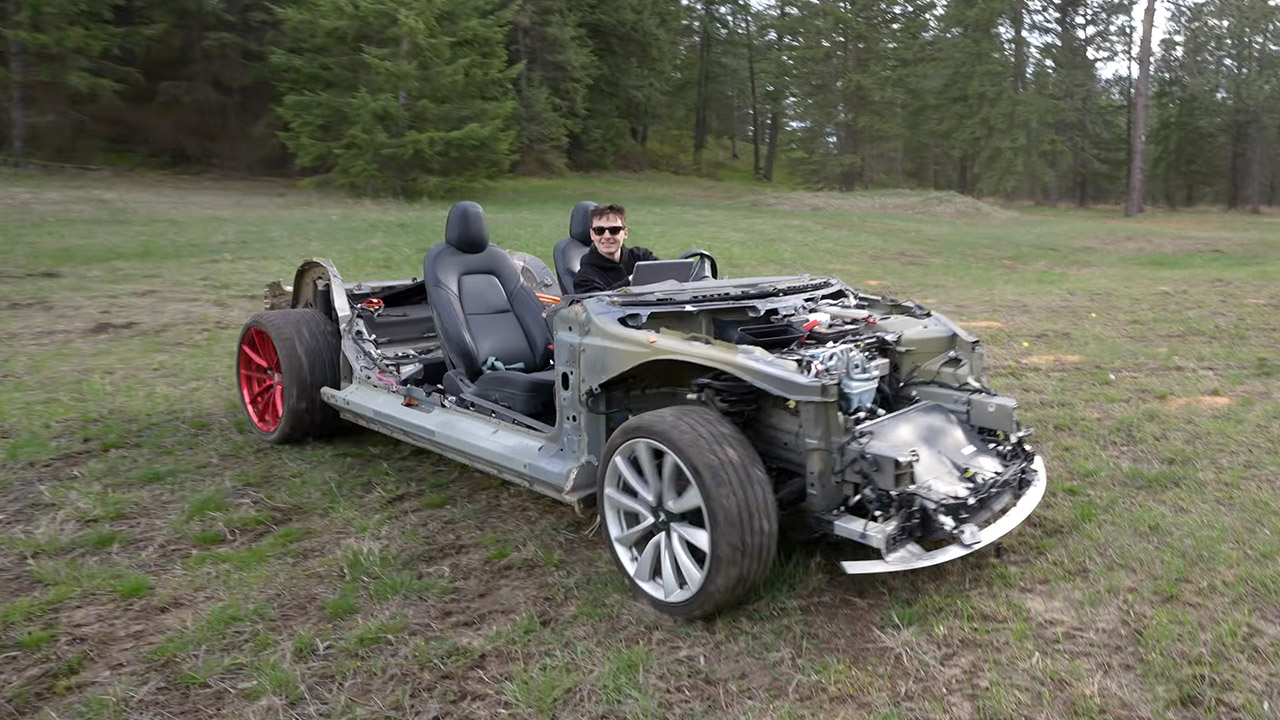
So, with the car all fixed up, Evans took it for a test drive, and unexpectedly, it passed the test without drawing any unwelcome notice from the cops. Later practices included donuts in a parking lot, burnouts, and a few of open-road runs that exceeded 60 mph. Because there was no top, the wind blew directly into the automobile, but it handled perfectly. At a friend’s home, the stripped-down Tesla ripped over dirt berms, jumped off a tabletop jump, and just kept going. One of his buddies rode along and claimed it was similar to the three-wheeled roadster that some people enjoy, but more faster.
Heavy drifting around the lot had a toll on the battery, which depleted far faster than it would on a regular drive. After a long afternoon of zooming around, the range had dropped to just 18 miles remaining, yet the car still made it home with a mile to spare. There was only one evident drawback: the onboard computer was logging an alarming 78 error codes because all of the cameras and sensors were missing.
[Source]
