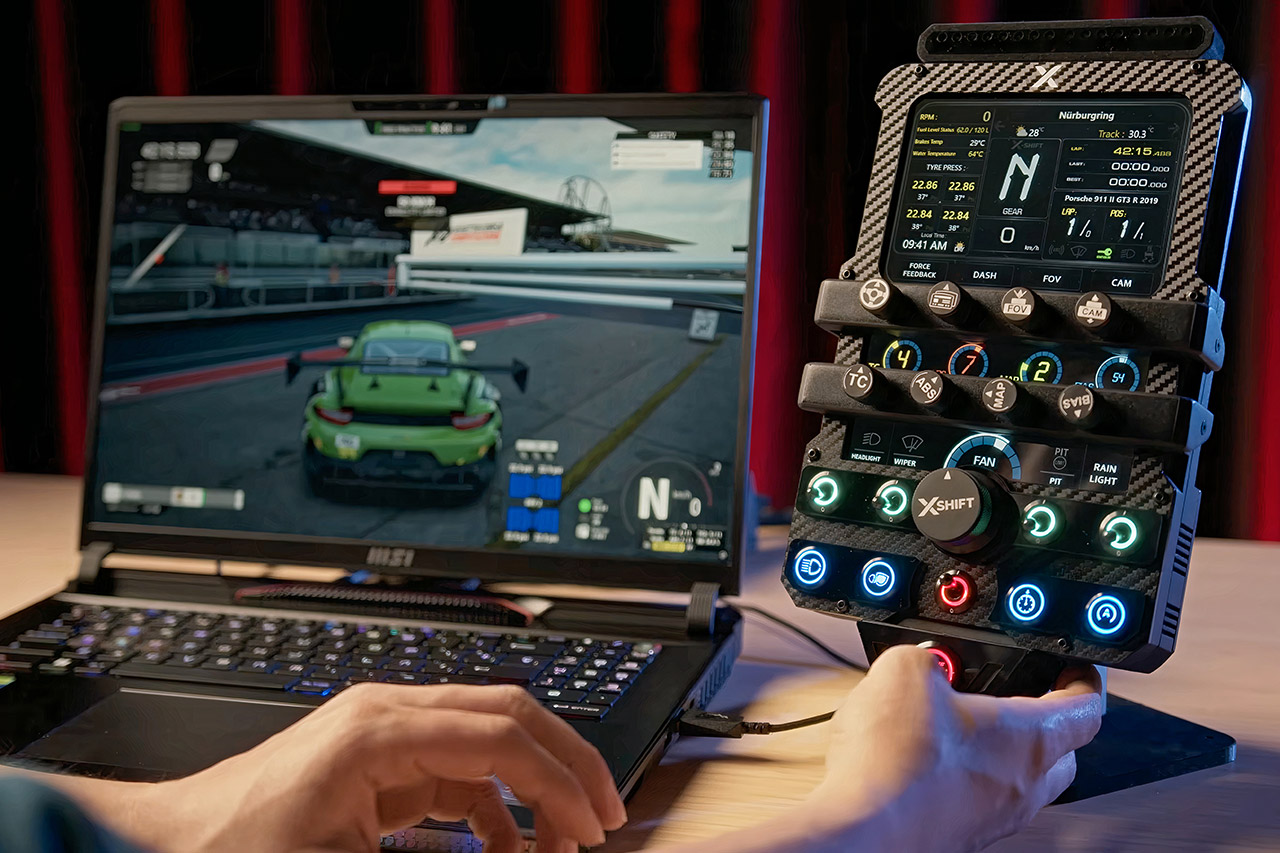
Xshift created a modular racing dash box for simulators that simply clicks together like a set of puzzle pieces, each held in place by a magnet. Each element has its own set of controls and readouts, and they all connect to a central unit for stability and data collection. The end result is a fully equipped control panel that is just as detailed as a real rally vehicle cockpit.
To finalize the design, Xshift began with some initial Photoshop sketches to ensure that the look, feel, and details were just correct. They then used 3DS Max to make accurate replicas of every button, dial, and screen, taking real-world measurements with their trusty calipers to ensure that every last detail was spot on. The printed parts were then sent to the 3D printer, where they were reinforced to withstand the subsequent sanding and painting. Meanwhile, the acrylic sheets were laser cut and then glued with a sophisticated carbon fiber wrap for a truly polished look.
Sale
Logitech G29 Driving Force Racing Wheel and Floor Pedals, Real Force Feedback, Stainless Steel Paddle…
- Immersive Gaming Experience: Perfect for PlayStation 5, PS4 and PC gaming titles, the Driving Force simulates the feeling of driving a real car with…
- Premium Control: The Driving Force feedback racing wheel provides a detailed simulation of driving a real car, with helical gearing delivering smooth…
- Customizable Pedals: These pressure-sensitive nonlinear brake pedals provide a responsive, accurate braking feel on a sturdy base – with adjustable…
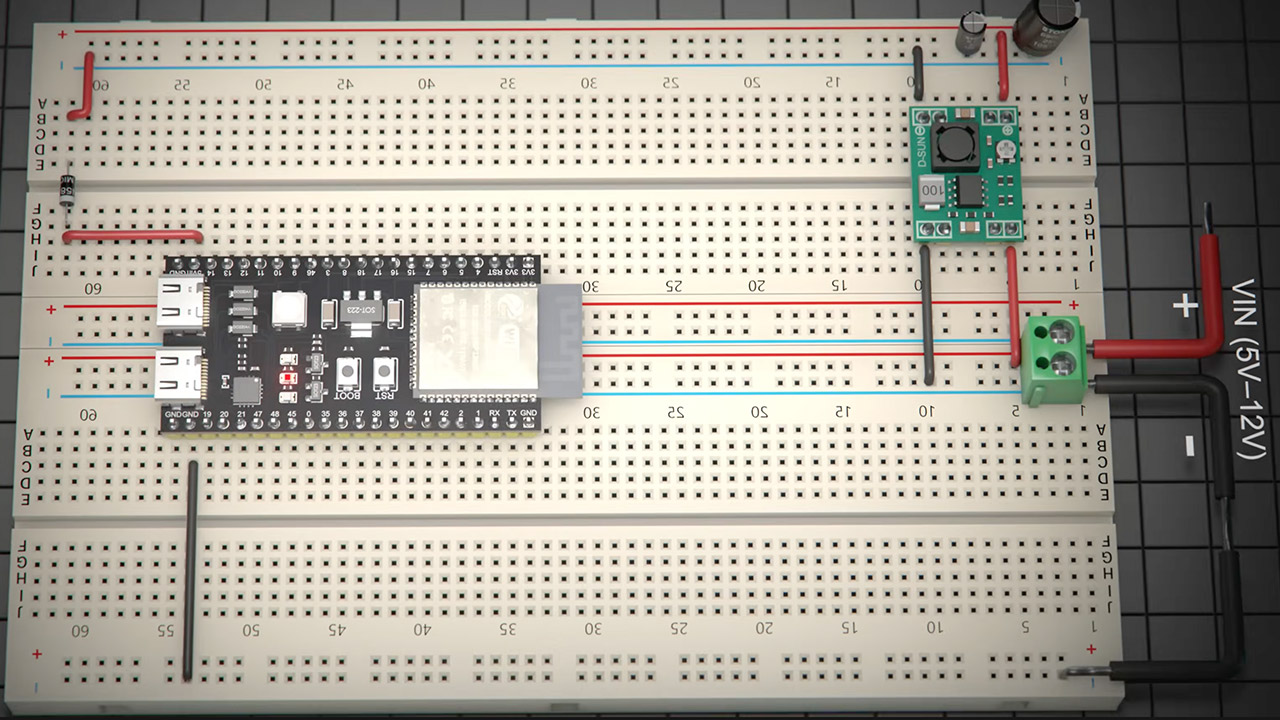
The ESP32-S3 circuit board is at the heart of the system, handling all of the inputs and outputs without the need for any additional components. To keep things orderly, the buttons and switches are placed in a grid, allowing you to get twelve controllers from only seven pins, while the rotary encoders have their own dedicated wires for clean signals. There are also optocouplers to keep the 12-volt LED buttons isolated from the rest of the board and prevent electrical noise from entering. Xshift even created a unique PCB from scratch, using Fusion 360 to ensure it has a firm ground plane and all of the necessary manual traces to keep everything functioning properly.
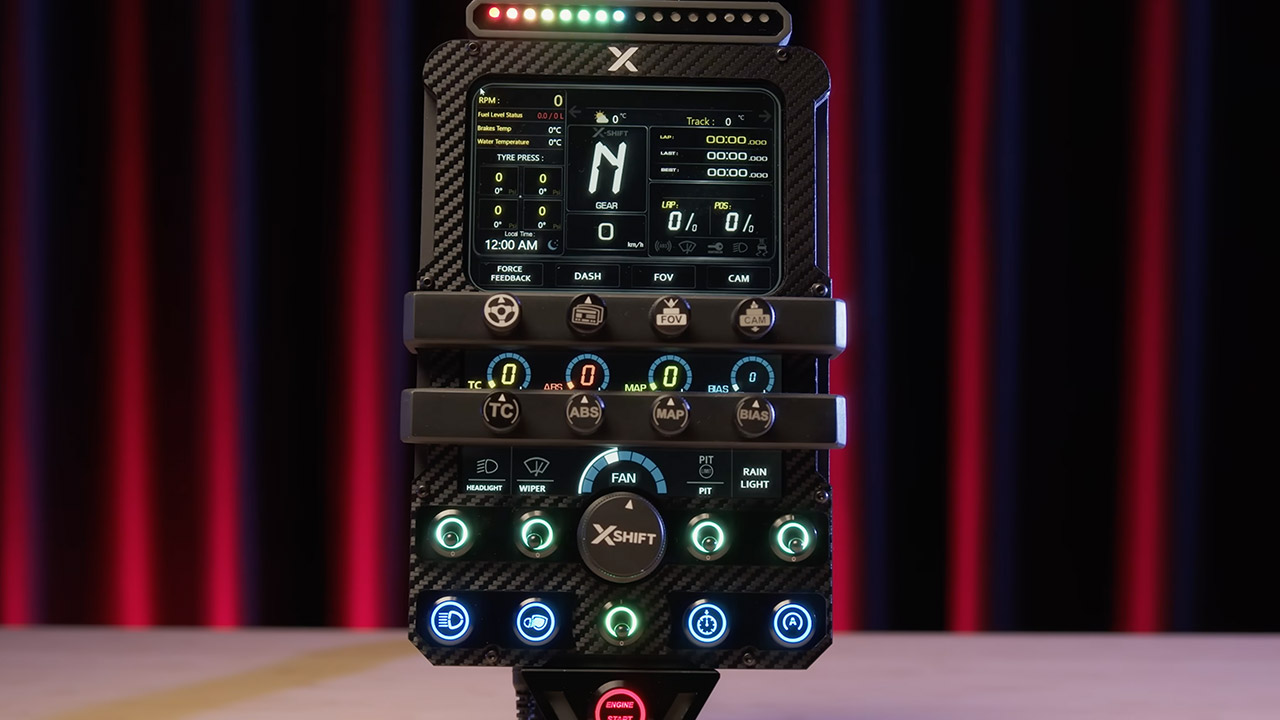
The beauty of it is that you can simply remove a module and replace it with another when necessary. One module features a large LCD screen that displays your current gear selection and lap times in real time from the simulator program. If you want more information, you may add some supplementary LCD screens or even a strip of LEDs to display your RPM gauge (or leave it off completely if you’re driving an electric vehicle). The dials and switches control everything from radio settings to pit stops, with a single button press providing fast reaction.
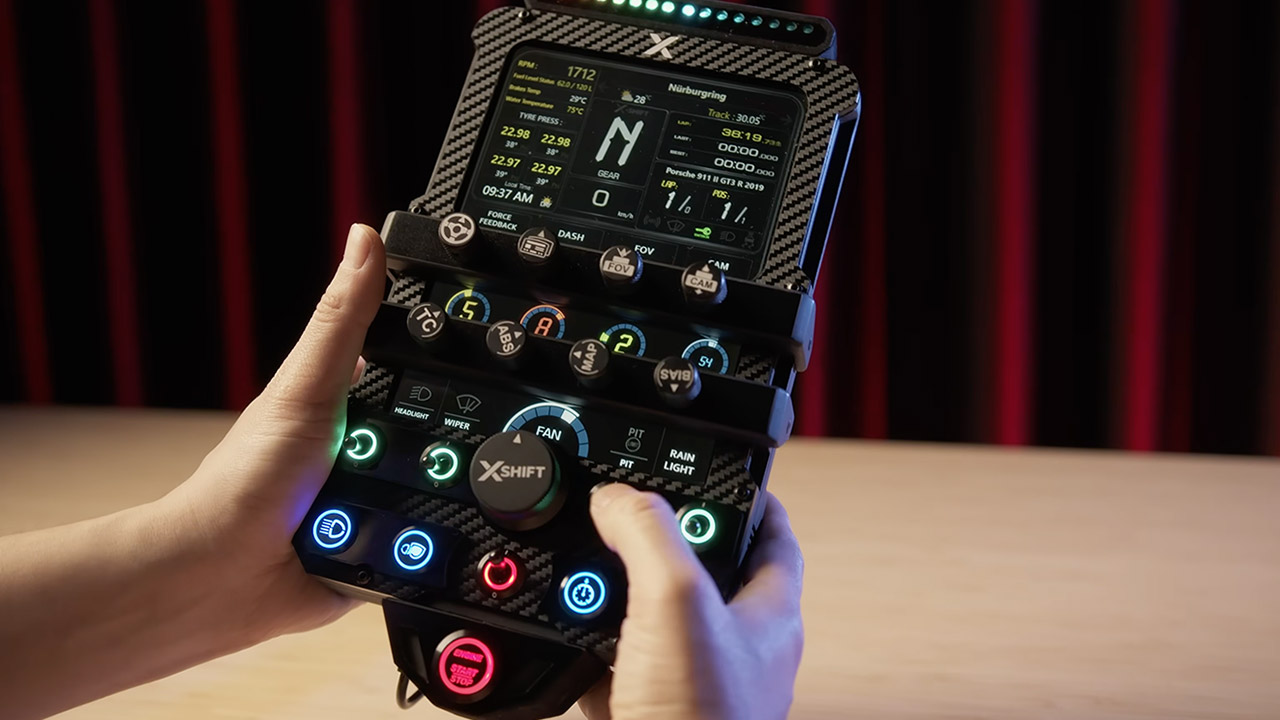
On the software side, Xshift connected all of this hardware to multiple sim racing titles using SimHub, and they even went to the bother of designing a bespoke dashboard interface in Photoshop that refreshes in real time with all of the game’s statistics. They employed some complex JavaScript expressions to connect each static graphic element to the live data feeds, ensuring that your screens always reflect exactly what’s happening on the track. He designed the circuitry on the microcontroller to handle button presses, encoder spins, and LED patterns with no lag, all before they finished the matrix scanning as well as input tests.
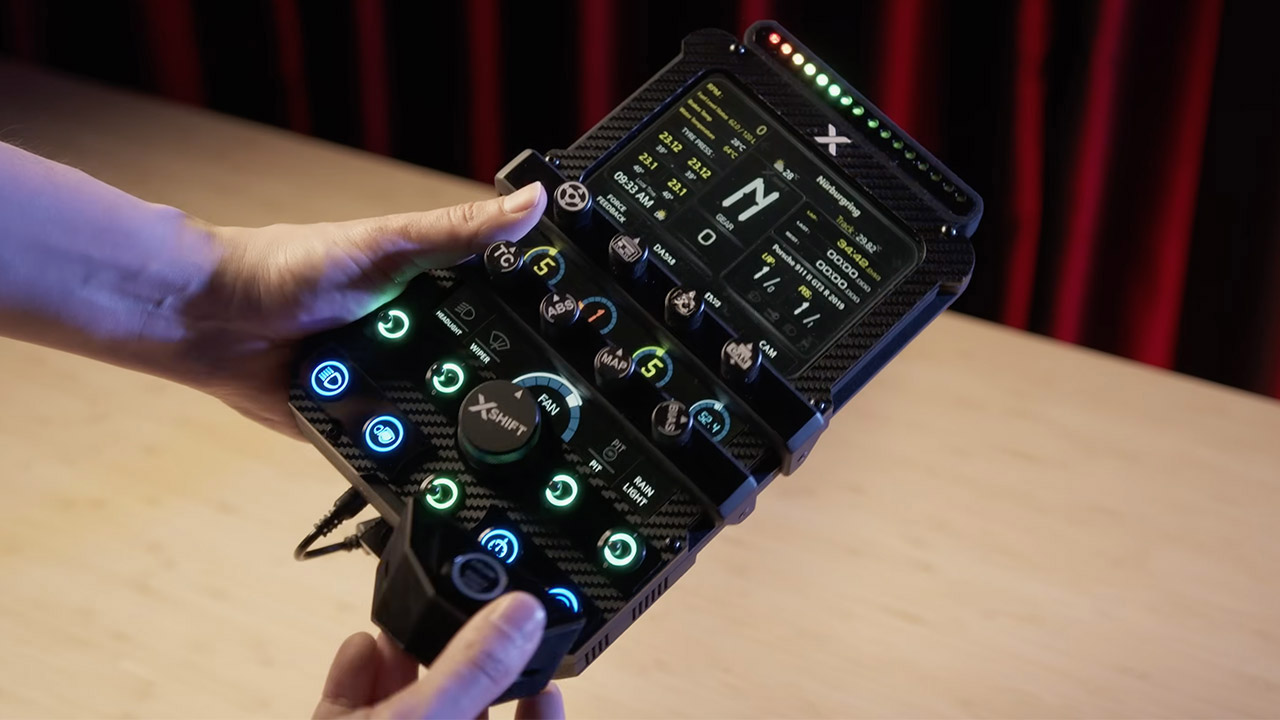
When you put it all together, you have a really neat item that fits nicely on your sim rig. The magnets hold everything in place, but you can still remove a portion when you need to change it out for something else. If you’re feeling daring, you can even download all of the files from the Xshift Patreon page and build your own at home, replete with every 3D model, laser-cut template, PCB layout, and code snippet you’ll require. The end result is a cockpit that seems like it just came out of the factory, yet with plenty of room for you to customize and future-proof your setup.
[Source]
