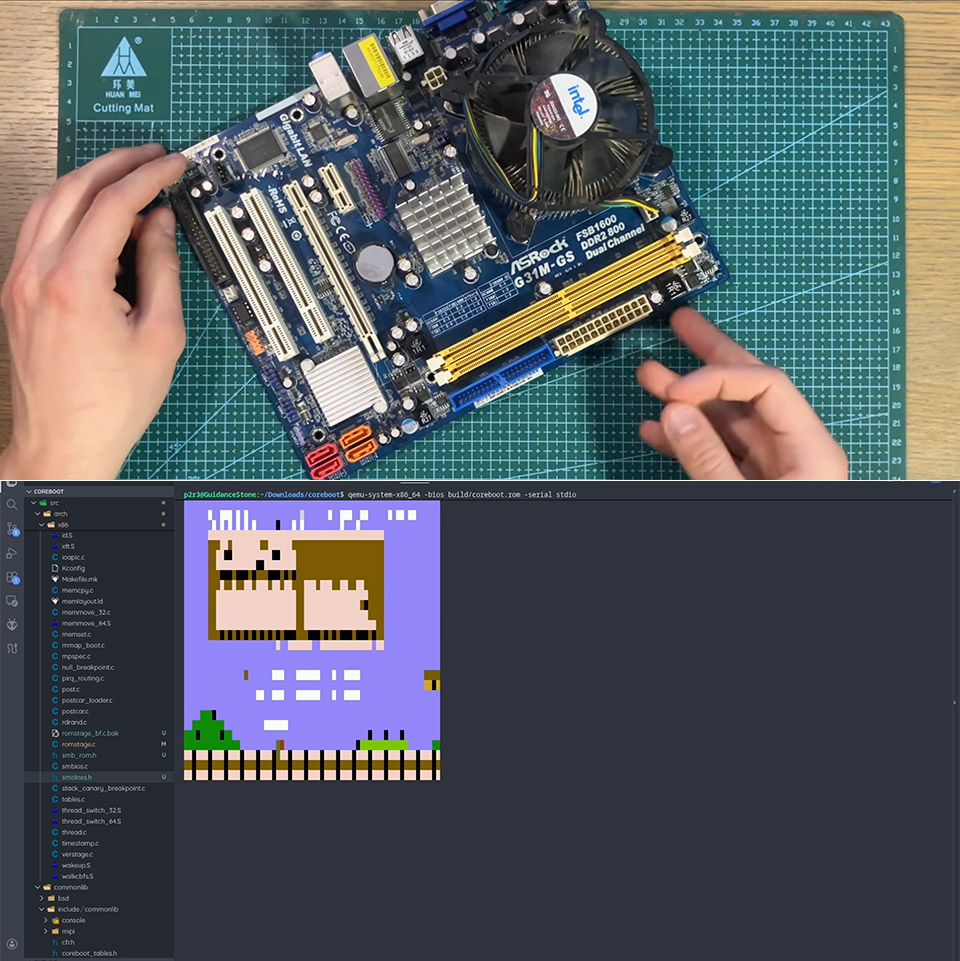
Rising RAM prices have a way of making you wonder just how much a computer actually needs to function, and PortalRunner decided to find out by removing it entirely and seeing how far he could get. The experiment started with Linux, gradually reducing the available RAM through boot settings until the machine refused to start at all. Even with a tiny amount left in place, basic tasks became painful and slow.
The next attempt used a SATA SSD as swap space, letting the system pull data from the drive whenever it ran out of the limited RAM available. Basic web browsing became possible, but trying to load Portal 2 was a dead end. Games need to hold large amounts of data in memory simultaneously, and a hard drive simply cannot move that data fast enough to keep up.
Sale

KAMRUI Pinova P2 Mini PC 16GB RAM 512GB SSD, AMD Ryzen 4300U(Beats 10110U/3500U/N150/N95,Up to…
- 【AMD Ryzen 4300U Processor】KAMRUI Pinova P2 Mini PC is equipped with AMD Ryzen 4300U (4-core/4-thread, up to 3.7GHz), Based on the advanced Zen…
- 【Large Storage Capacity, Easy Expansion】KAMRUI Pinova P2 mini computers is equipped with 16GB DDR4 for faster multitasking and smooth application…
- 【4K Triple Display】KAMRUI Pinova P2 4300U mini desktop computers is equipped with HDMI2.0 ×1 +DP1.4 ×1+USB3.2 Gen2 Type-C ×1 interfaces for…
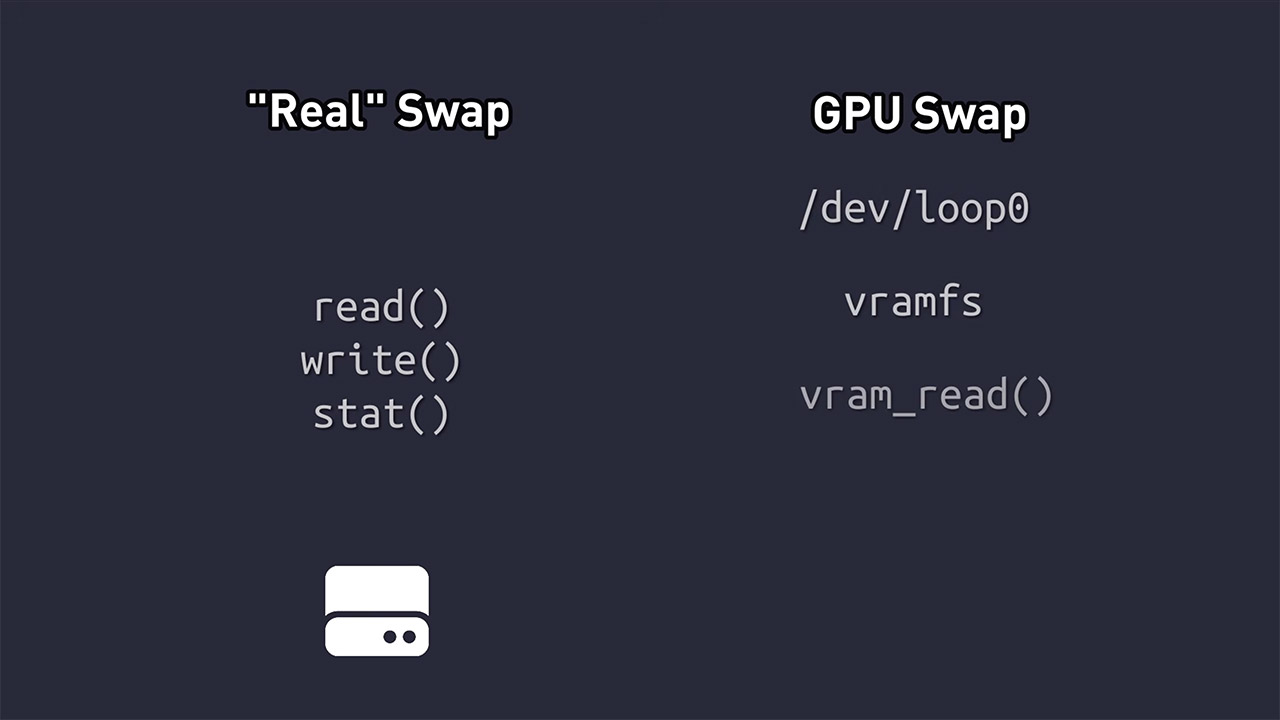
Attention then shifted to the graphics card. PortalRunner built a custom file system using OpenCL to turn the four gigabytes of VRAM inside a GTX 1660 Super into a substitute for system memory. Simple applications ran, but every time data had to travel between the CPU and GPU it added so much delay that even a basic browser test took over an hour. Portal 2 remained out of reach.
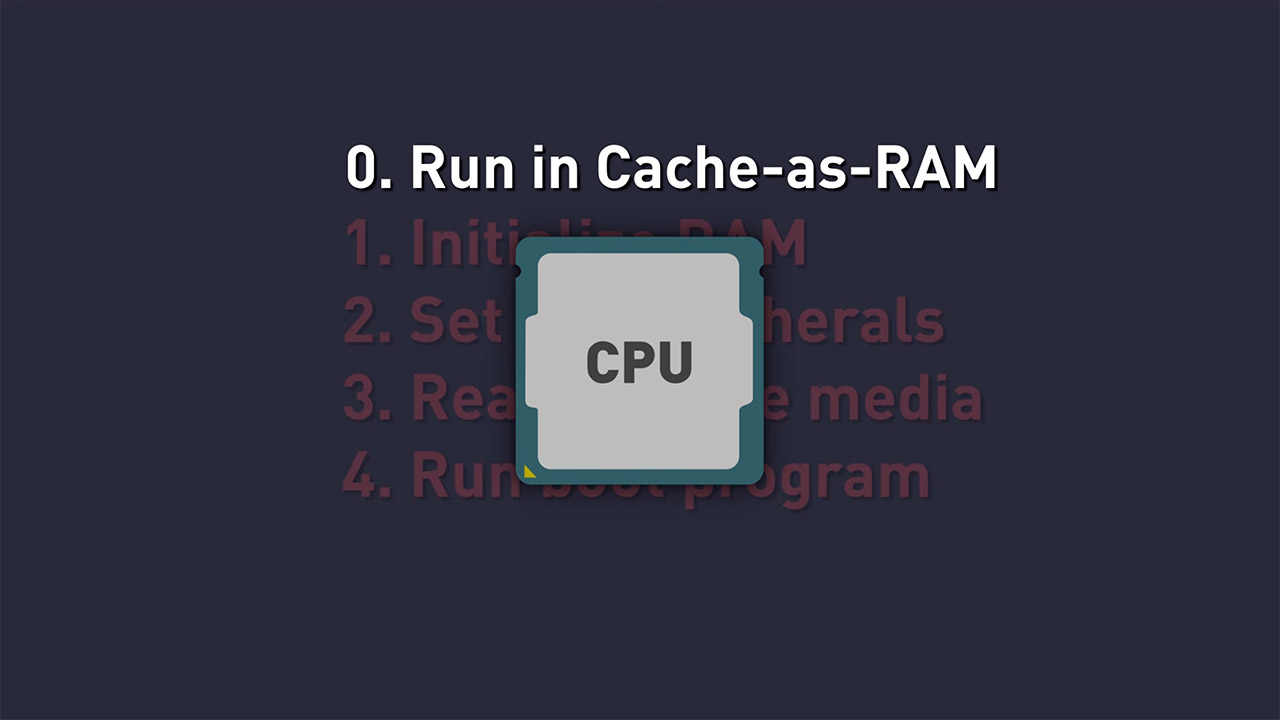
The breakthrough came from inside the processor itself. Every CPU contains a small amount of cache memory stored directly on the chip, and early in the startup process the CPU already uses that cache as a temporary workspace before any RAM has been initialized. Using an older ASRock motherboard with a Core 2 Duo processor and a modified version of the open source CoreBoot firmware, PortalRunner configured the system to skip RAM initialization entirely and load directly into that cache.
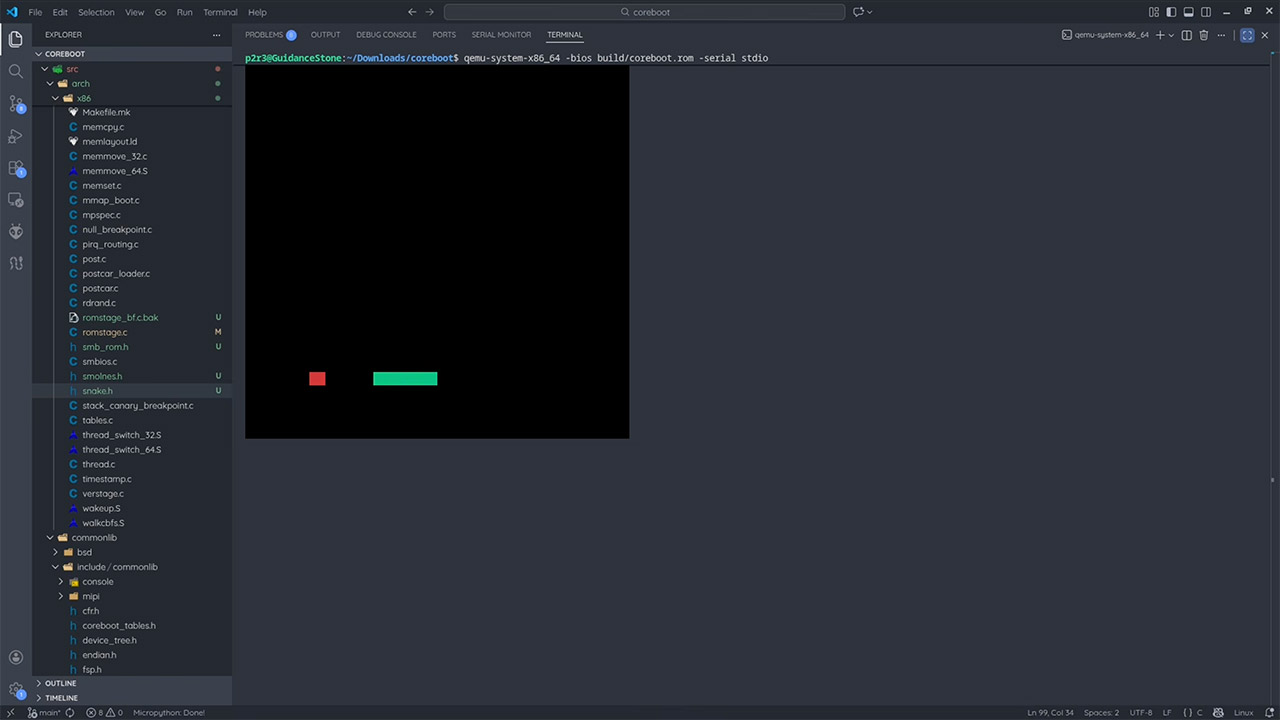
A Snake clone fit comfortably into the available space and launched without a hitch the moment the board powered on. He even squeezed a brainf**k interpreter onto it to prove the approach had more than one use. The limitations are obvious and nobody is running a modern operating system this way anytime soon, but it does make for a great conversation starter.
[Source]