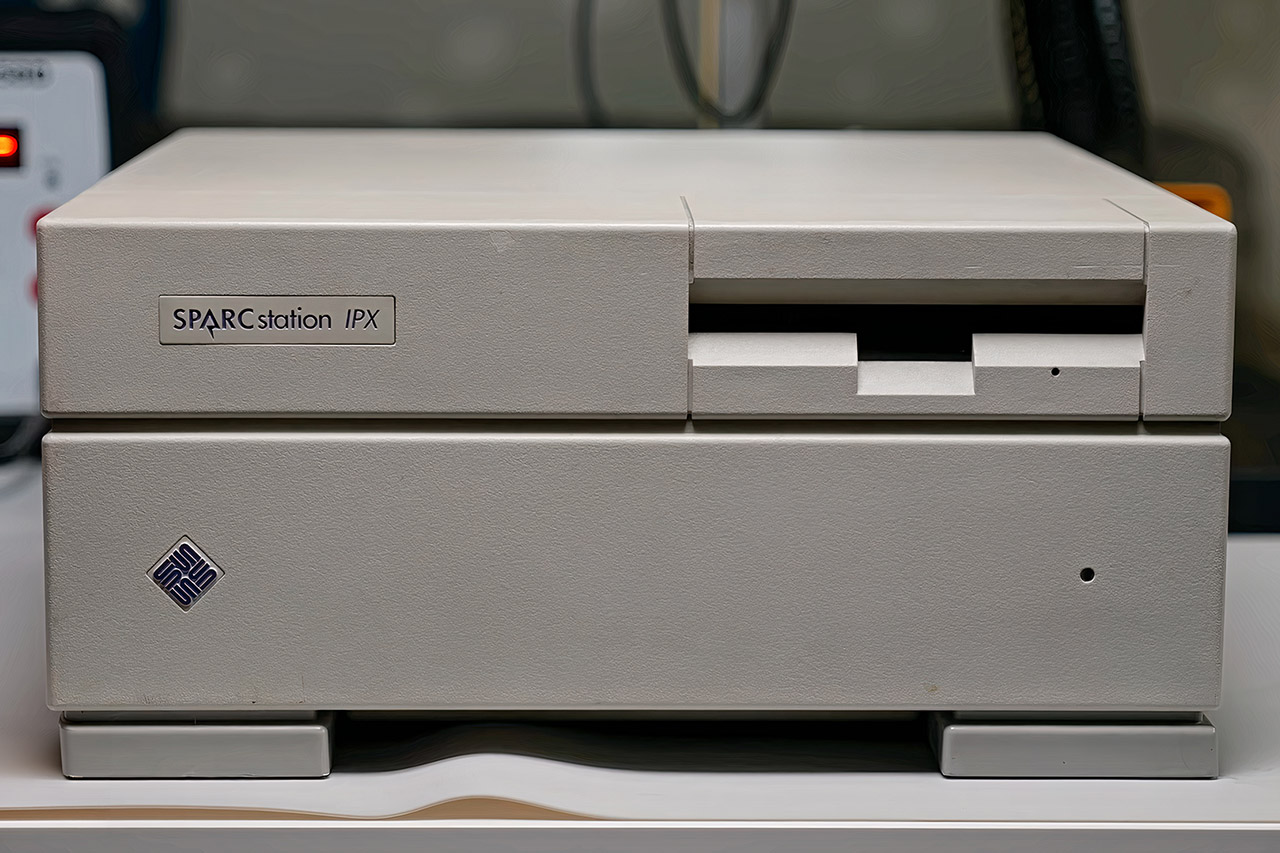
When This Does Not Compute set out to restore a Sun SPARCstation IPX computer from 1991, he was expecting a straightforward salvage project. What he got instead was weeks of stubborn resistance from a machine that seemed determined to make his life difficult. The IPX was a respectable mid-range workstation in its day, packing a 40 megahertz processor into a compact white shell, and you rarely see them in working condition anymore. By the time it was all over, he was openly admitting he had come to dislike the thing, which tells you everything you need to know about how the restoration went.
Power issues arose first, as previous maintenance had previously repaired the supply unit. Once the electricity was restored, the onboard diagnostic system lit up and delivered its verdict. The solitary 8-kilobyte static memory chip at board position 207 had failed. That little bit obstructed any boot routine.
Sale
KAMRUI Hyper H2 Mini PC Windows 11 Pro, Intel Core 14450HX (Beats i7-1195G7/12700H), 16GB RAM 512GB…
- High-Performance 14450HX Processor – Significantly outperforms H/P/U/Y series processors: The KAMRUI Hyper H2 mini PC is equipped with an 14450HX…
- 16GB DDR4 RAM & 512GB PCIe 4.0 NVMe SSD: This mini computer comes with 16GB of DDR4 memory and a high-speed M.2 NVMe PCIe Gen4×4 SSD, enabling…
- Triple 4K Display Support: With HDMI 2.0, DP 1.4b, and a full-featured USB-C port (supporting DisplayPort Alt Mode, 10Gbps data transfer, and 15W…
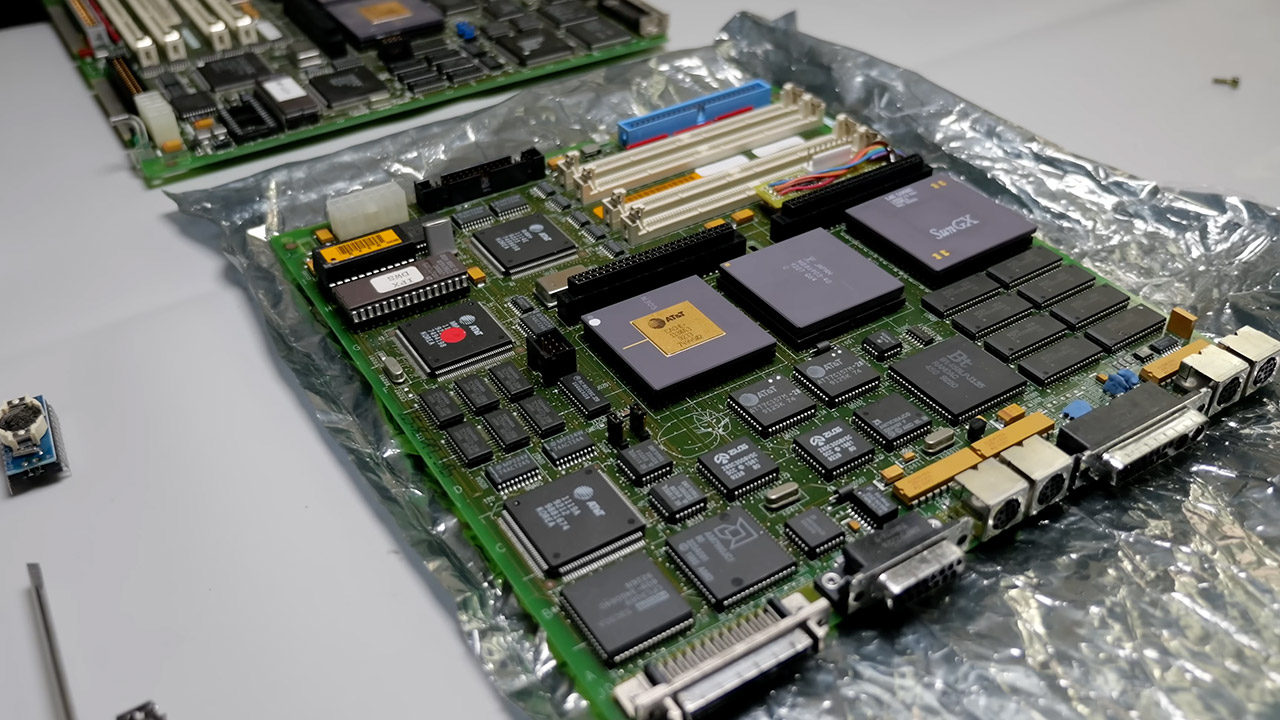
Fresh replacement chips were installed with careful soldering. The system rebooted but returned the same problem. Extra memory modules were swapped in to rule out any other possibilities, but nothing changed. Donor parts arrived next, from an unexpected source. An complete mainboard came from an earlier BriteLite laptop project. That board still included modifications from its previous life, including an SBUS card originally intended for an LCD screen and a breakout board with colorful wires attached to the bottom pins. The inventor also transferred the clock chip. Its original battery had died years ago, resetting all network addresses to FFFF. A modern coin-cell holder accurately kept time.
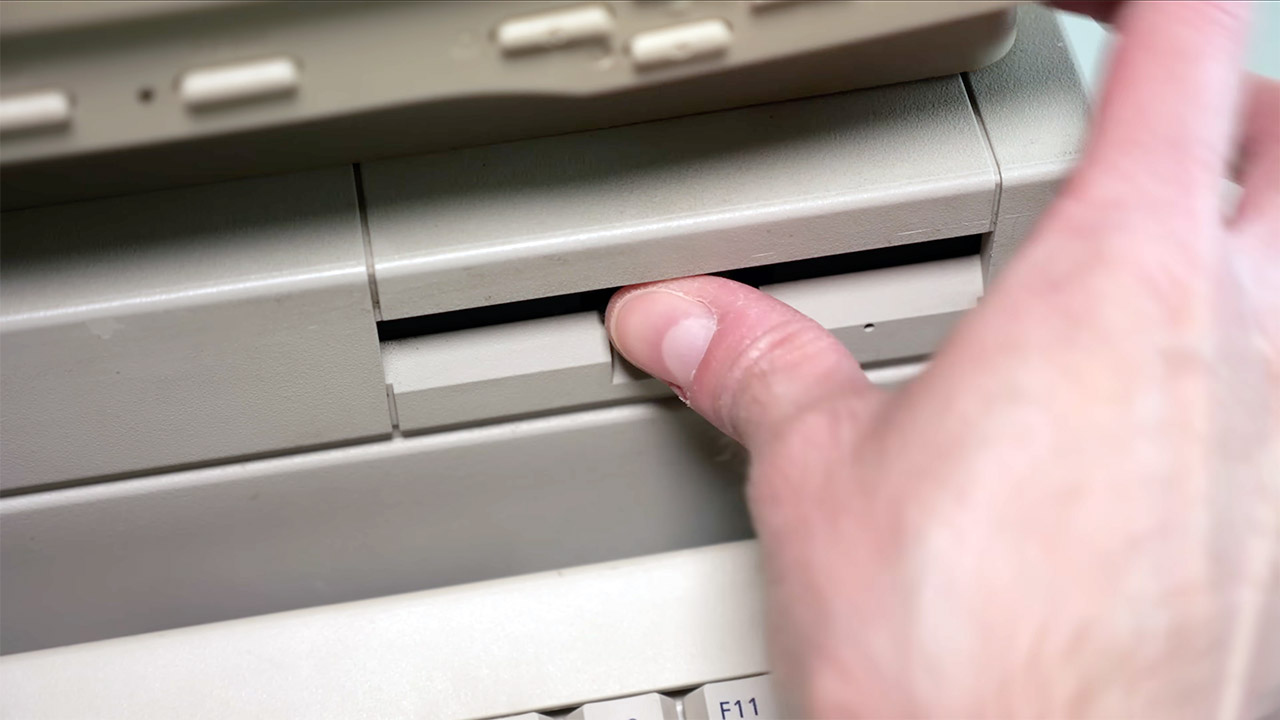
ROM chips were relocated across boards to ensure compatibility. Even after those swaps, the video output produced just vertical stripes on all connected monitors. Another used SBUS video card was inserted into an expansion slot. Clear images finally showed on the screen. Storage arrived via a clever modern addition. A BlueSCSI adaptor linked an SD card with disk images. A custom 3D-printed bracket neatly nestled the entire system inside the original casing while maintaining the aesthetics. Boot efforts began with the virtual media.
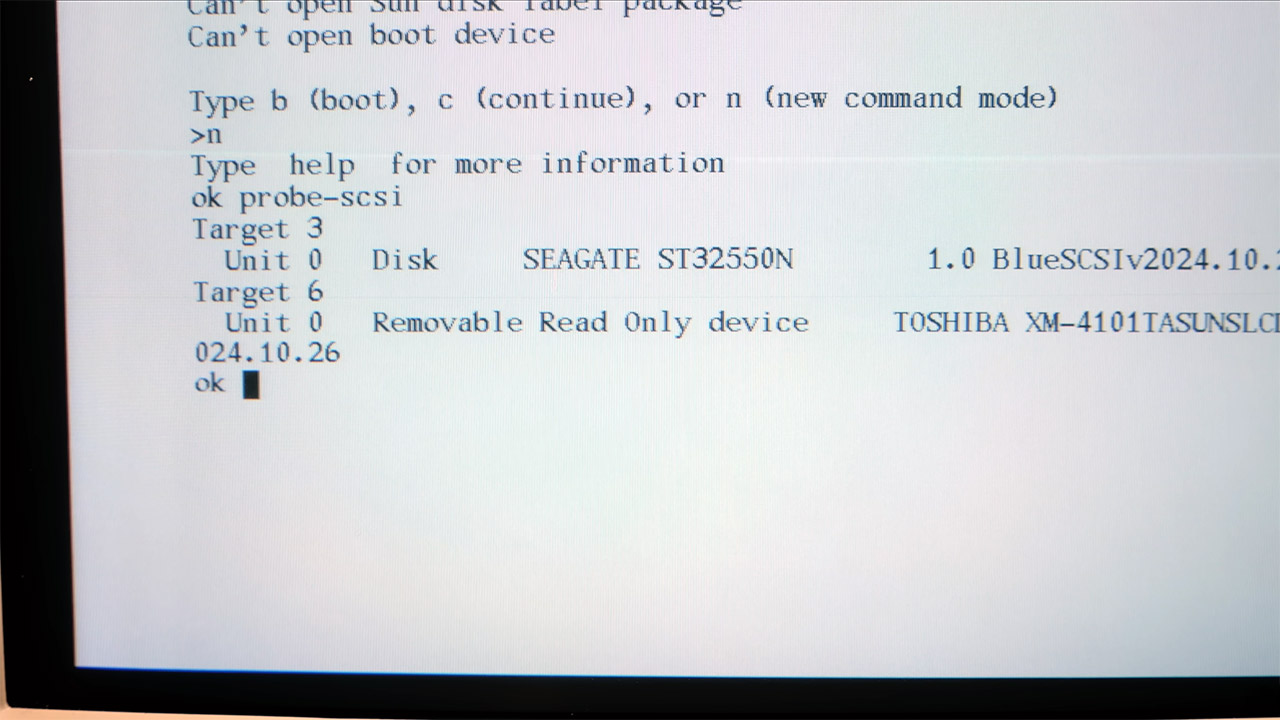
Solaris 2.3 loaded but failed to start the graphical interface. Hours were spent working in single-user mode. Switching to Solaris 2.6 finally provided the whole desktop environment. One careful adjustment in the vi text editor changed the startup file to launch the CDE window manager. Once, a wrong command bricked the installation, but a backup image quickly recovered it. Memory improvements were installed to increase speed. The machine required specialized parity-checked RAM. Self-tests on the new sticks failed, therefore the increased capacity was left out. Even without it, the system performed basic functions, but drawing simple windows felt slower than expected.
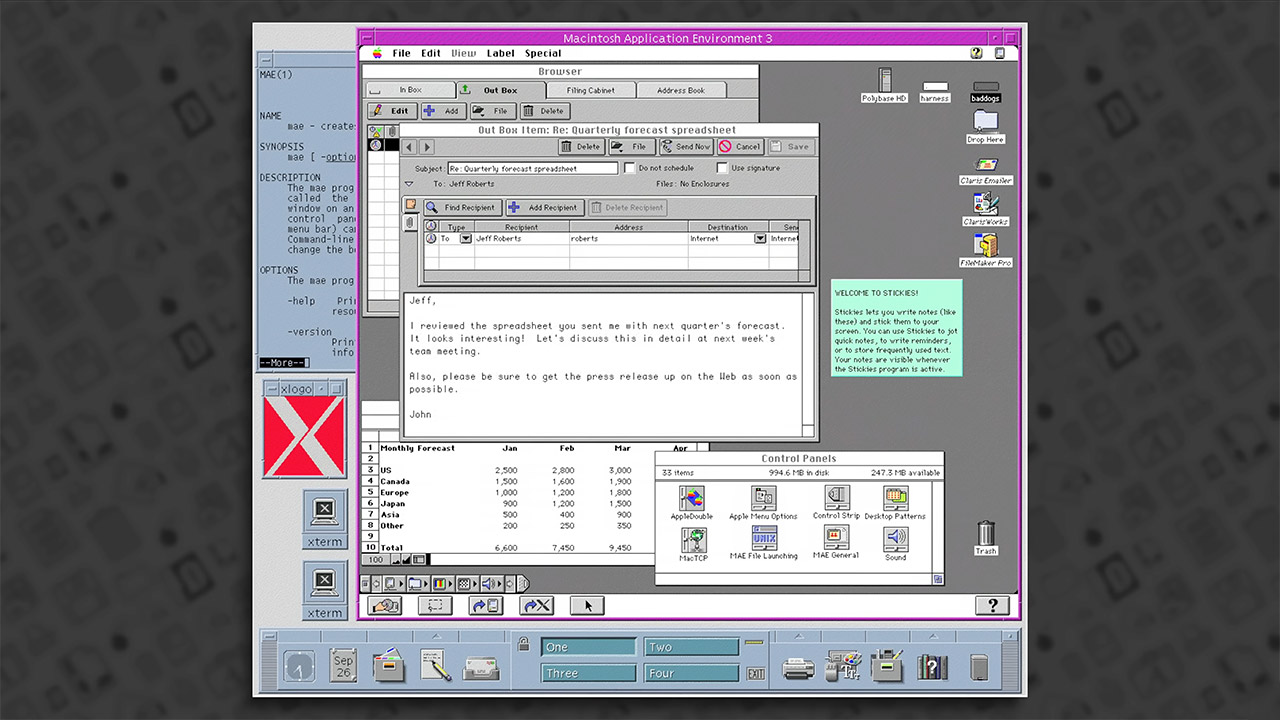
Curiosity prompted another experiment, as the developer installed the Macintosh Application Environment, an official 1994 emulation that allowed Solaris to run vintage Mac software. Applications took over 30 minutes to load and operated like a much older system. At that time, This Does Not Compute decided that continued spending even more on hard to find parts made little sense. The original enclosure components, metal brackets, and some memory modules remained, but the restored machine now runs consistently on Solaris 2.6 and has a functional CDE desktop.
[Source]
