Mobile phones had long been an integral part of our daily lives when April 2000 arrived. People took them everywhere because they were a must-have for younger users. Reporter Lindsey Fallow looked closely at how these phones were on the verge of becoming something major, such as having continual access to email and the internet right in the palm of your hand.
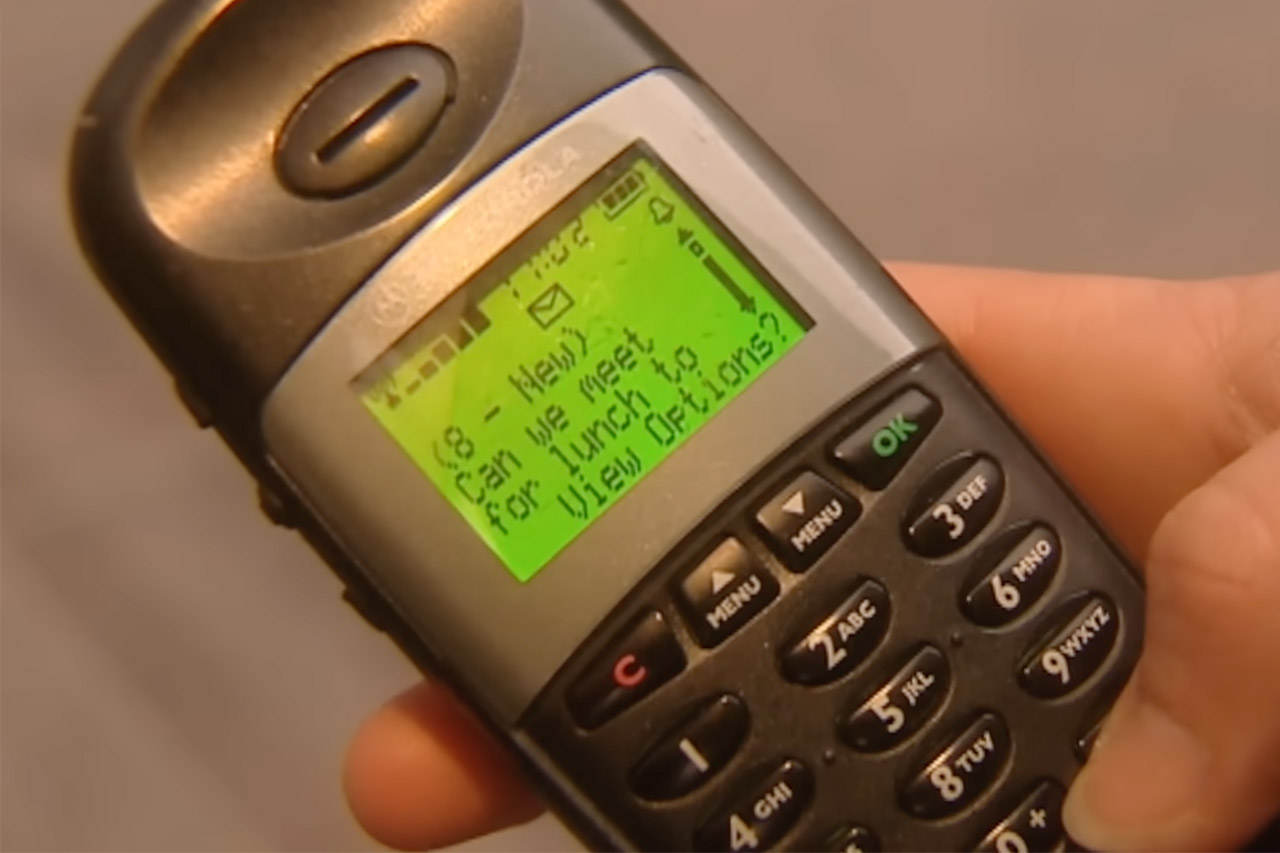
Lindsey starts with checking mobile email. Anyone with a phone that was less than two years old could send and receive text messages. There were services that would forward emails from your regular email account to your phone as text messages, and the greatest part was that registration was free, however each downloaded message cost approximately 6 pence ($.15 today). To respond, you would need to construct a text message, include a specific code at the beginning, and submit it to your service provider. Typing on such tiny keypads took a long time, and the expense quickly mounted up.
Sale

Google Pixel 9a with Gemini – Unlocked Android Smartphone with Incredible Camera and AI Photo Editing…
- Google Pixel 9a is engineered by Google with more than you expect, for less than you think; like Gemini, your built-in AI assistant[1], the incredible…
- Take amazing photos and videos with the Pixel Camera, and make them better than you can imagine with Google AI; get great group photos with Add Me and…
- Google Pixel’s Adaptive Battery can last over 30 hours[2]; turn on Extreme Battery Saver and it can last up to 100 hours, so your phone has power…
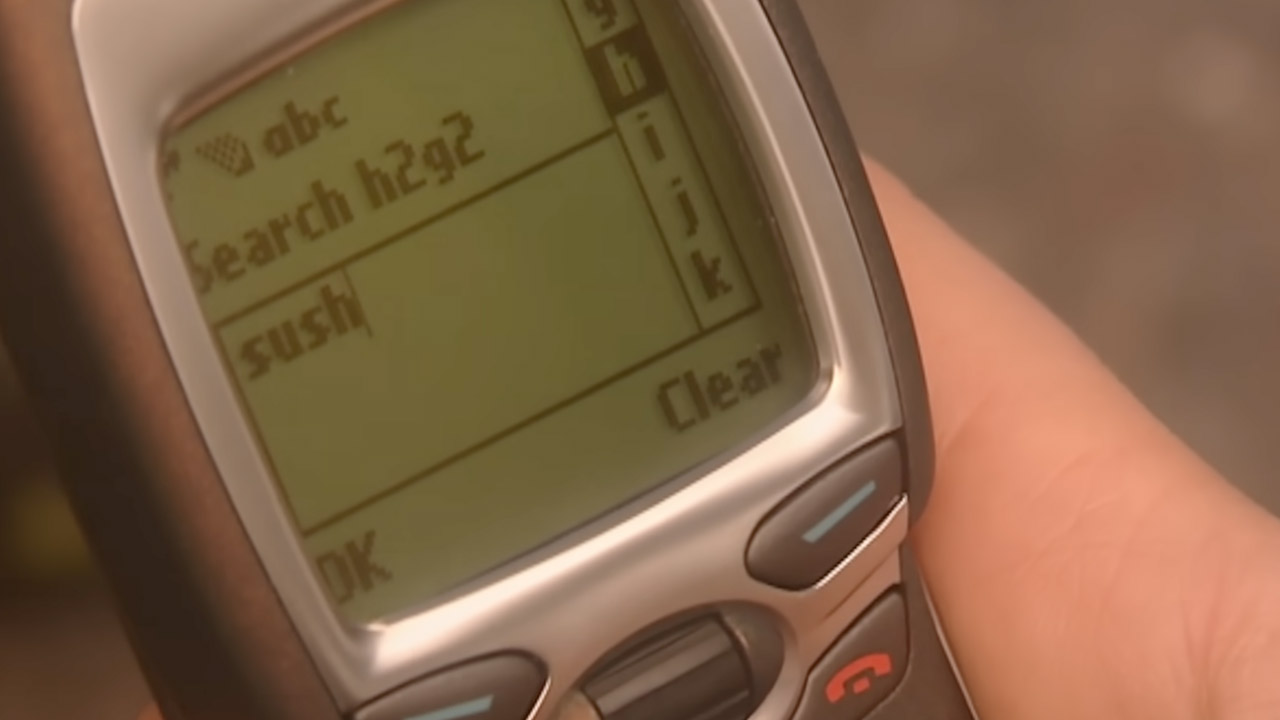
She demonstrates with a short exchange, beginning with an incoming message that reads “Can you meet me for lunch to talk about the report? Can you find a restaurant sushi?” she asks, wondering where to eat. She pulls out a WAP phone, which she refers to as a “mobile with internet built in,” and we can see why: previous attempts to get phones to access the internet failed because the whole web requires a large color screen, and most mobiles at the time only had a couple of inches of screen space.
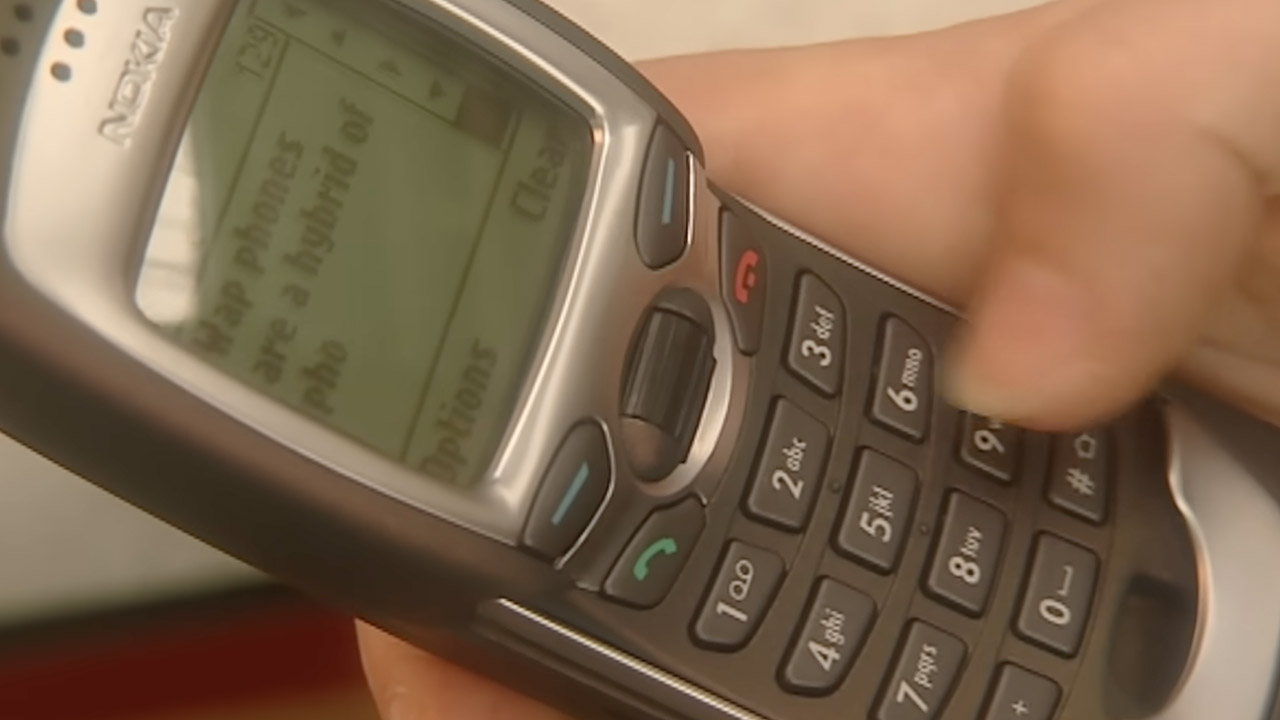
WAP phones changed all that by rewriting web material specifically for small screen sizes. Pages had to be recoded, so the entire internet remained out of reach. Still, useful sites existed. Fallow navigates to the BBC’s pages and to H2G2—a user-edited guide inspired by The Hitchhiker’s Guide to the Galaxy, full of searchable entries anyone could contribute to. She searches for lunch spots and locates a sushi restaurant right around the corner. The screen shows basic text results, no images or fancy layouts, but the information arrives where she needs it.
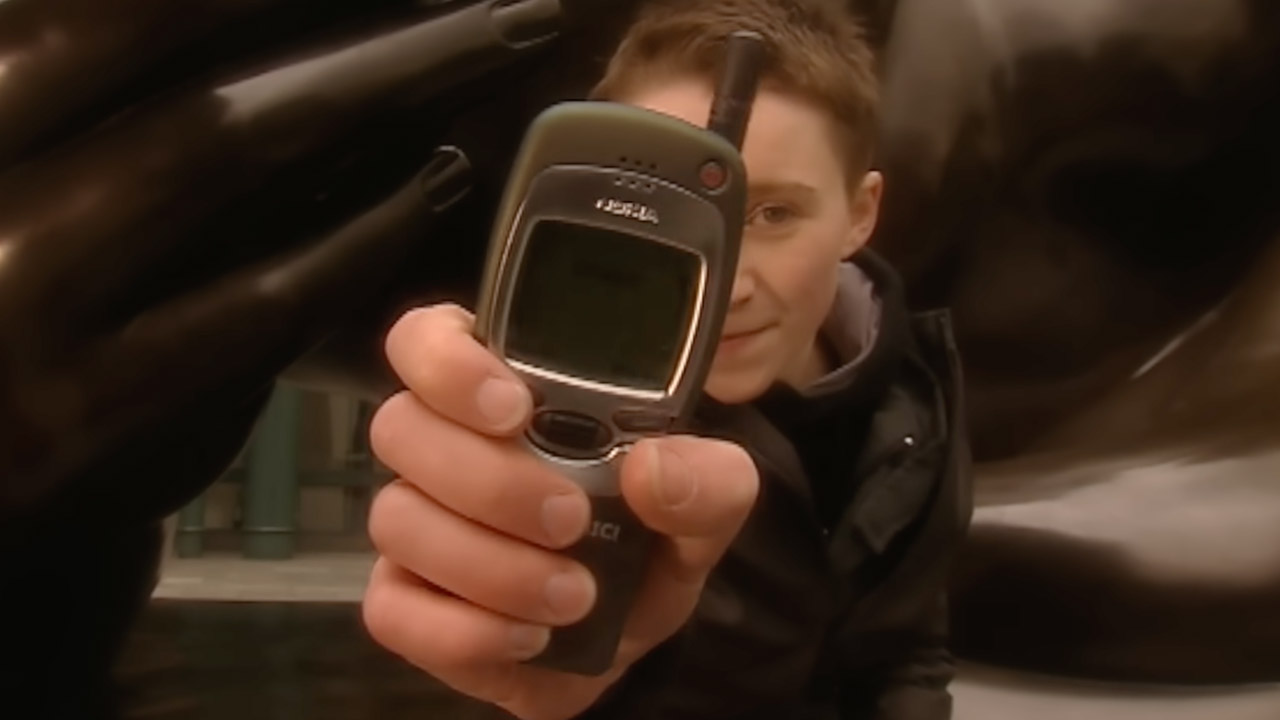
These WAP phones were retailing for about £130 ($334 today) with a contract, and more were on their way. Services were also constantly expanding, and Lindsey highlights both progress and problems. When a follow-up email arrives stating that lunch has been canceled and that the report should be sent instead, responding with only text messages is inconvenient and can take hours to complete.
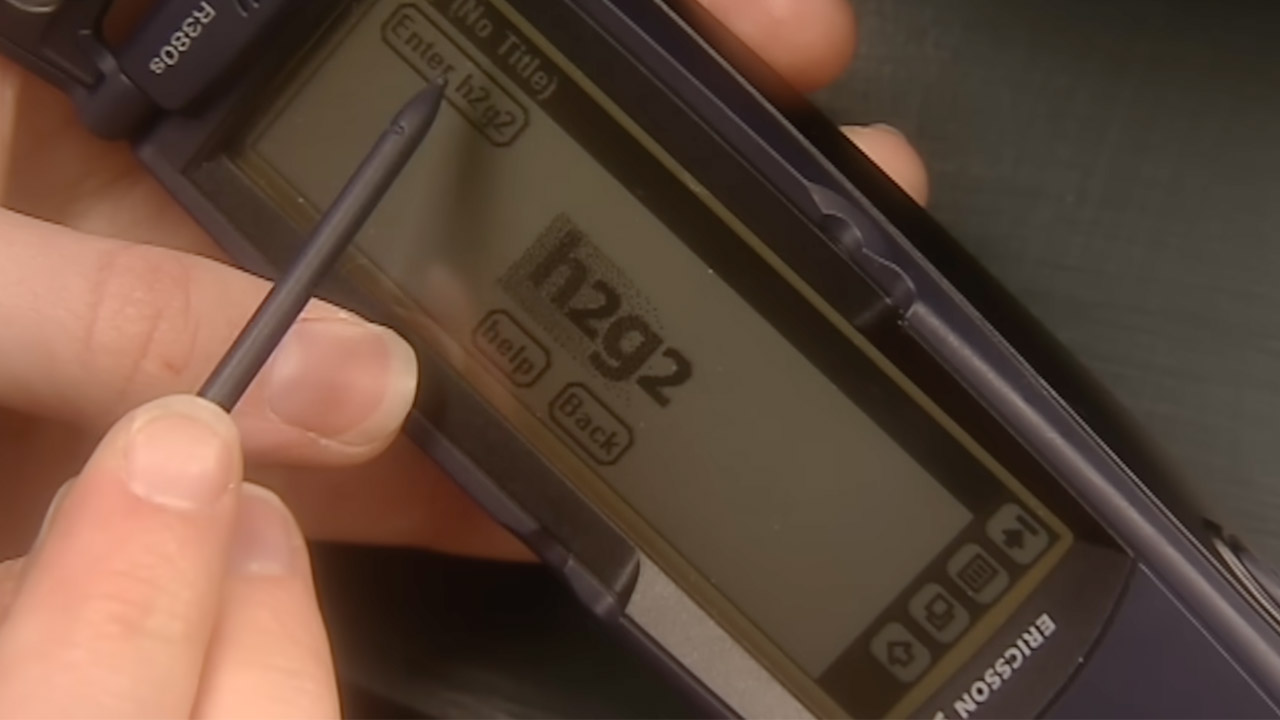
Following that came the early smartphones. Lindsey tries out a prototype with a much bigger screen. It includes a full web browser for WAP material, a calendar, and a note feature, as well as handwriting recognition on a touch-sensitive surface. If the handwriting does not work out, a little keyboard appears that you can use. Navigation is a lot speedier and easier on the eyes. These devices promised to combine the power of the web with organization and communication, all in one convenient package. They were expected to hit the shelves that summer for between £300 to £400 ($770 to $1,029 today) with a contract.
