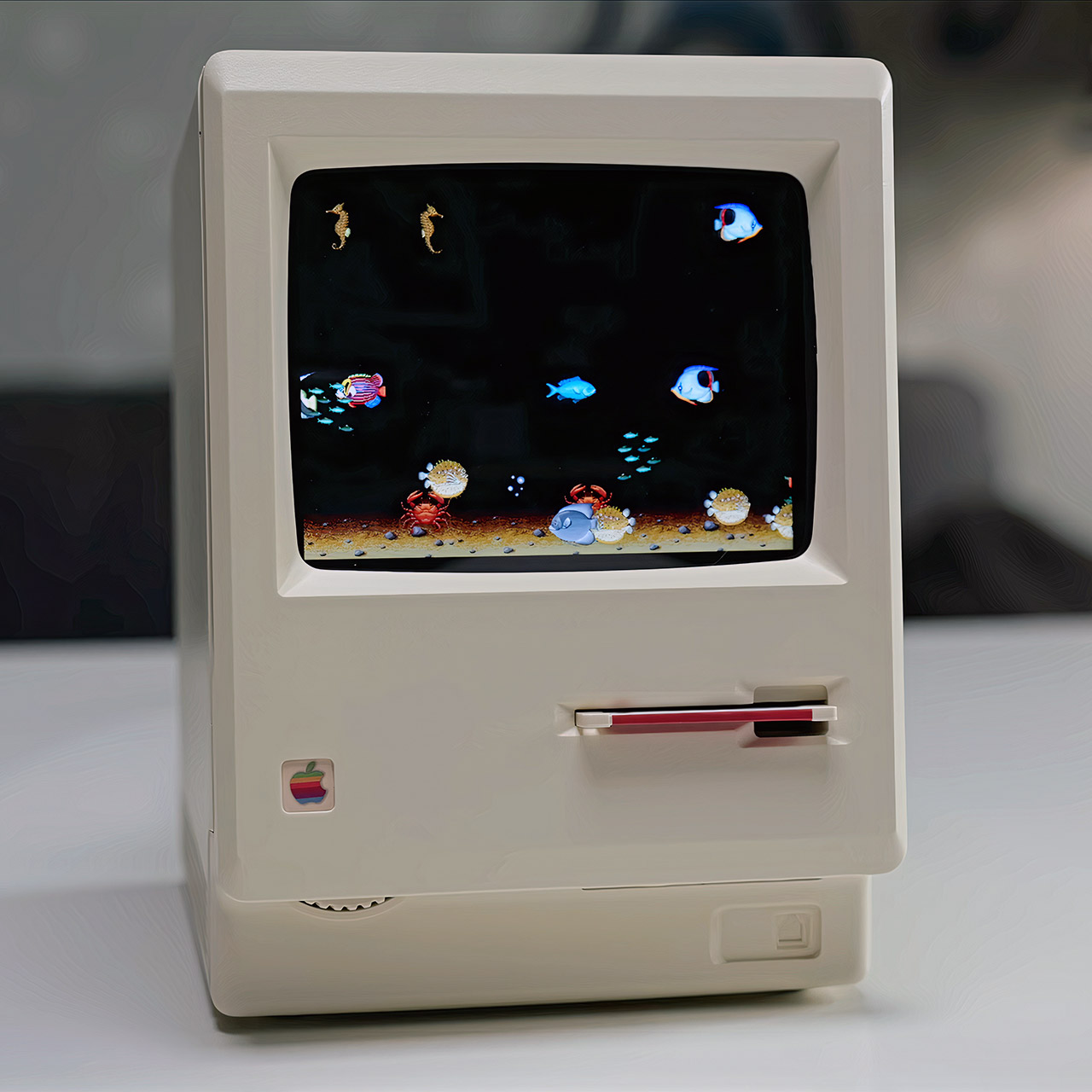
Apple’s Mac Mini has been sitting quietly on desks all across the world, pushing through daily business and creative chores with the simplicity of a small powerhouse. In spirit, if not in design, it is right next to an equally little, yet quite different, machine known popularly as the Mini Mac, or Wondermac in some circles. This little device began life as a Maclock, a desk clock that looks exactly like the original 1984 Macintosh, complete with the instantly identifiable beige shell, a teeny-tiny screen bezel, and even a false floppy disk port, but what occurs next adds a lot of complexity to what was once a simple gimmick.
YouTuber This Does Not Compute disassembled the Maclock and then rebuilt it from the ground up, using a Raspberry Pi Zero 2 W, a chip small enough to fit discreetly inside the clock’s shell but powerful enough to tackle the work at hand. He combined it with a 2.8-inch Waveshare LCD panel, which is small enough to fit comfortably behind the curved plastic lens that attempts to simulate an old-school CRT monitor. The resolution is a respectable 640×480, which complements the old atmosphere perfectly. For power, he used a customized USB-C connection on the back, which was tuned to produce a clean 5 volts after some fiddling with the original charging circuit to bypass it. Then there’s a little heatsink that quietly keeps the Pi from overheating without creating any fan noise.
Sale

OIJ Maclock Retro Pixel Alarm Clock, 1984 Computer-Inspired USB Desk Clock with Pixel Display, Multiple…
- 【Retro 1984 PC Design】 This miniature ivory-colored ABS/PMMA alarm clock revives the charm of the early computer era. A perfect nostalgic piece…
- 【Multi-Mode Pixel Display】 The high-contrast LCD simultaneously displays time, calendar, date, and room temperature. A hidden pixel smiley…
- 【Adjustable Brightness for Comfort】 Gentle, warm backlighting in the morning and dim lighting at night protect your sleep. Simple bottom dial…
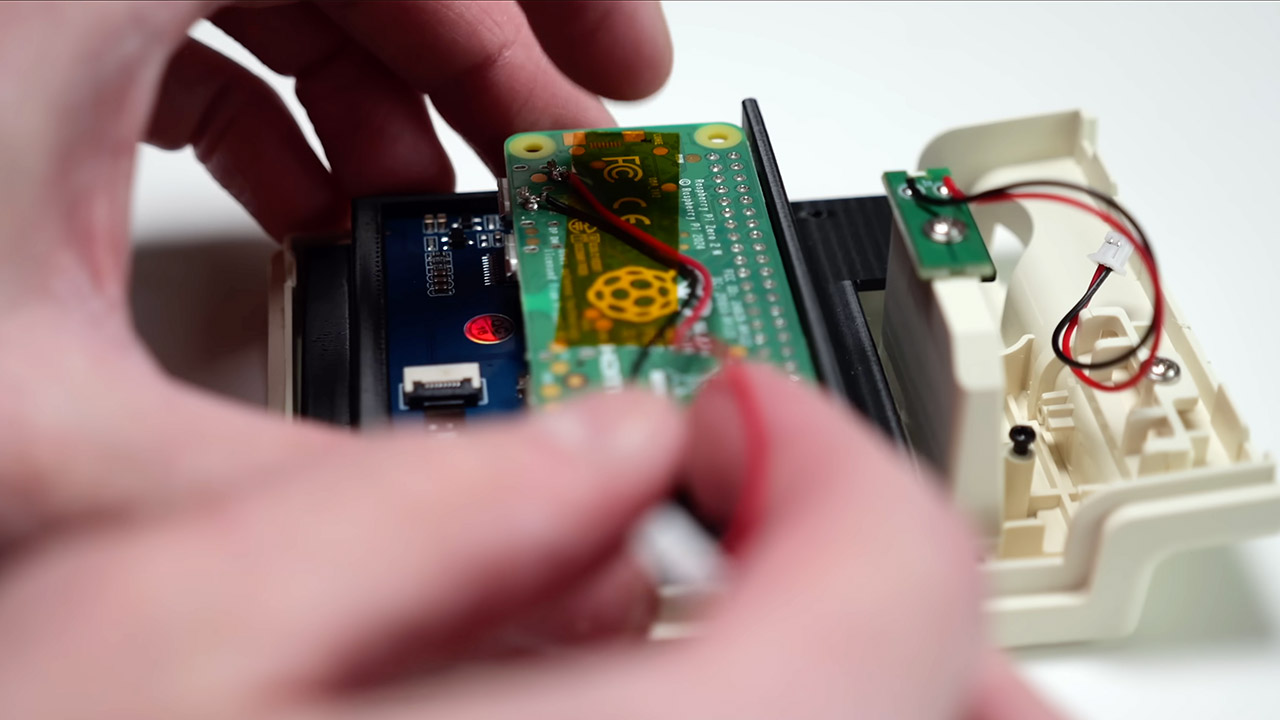
The front bezel required some custom work, which he solved by designing and 3D printing a black bracket to put the Waveshare display in place, cleaning up a bit of plastic in the process to ensure everything fit together smoothly. The original clock’s screws end up holding everything together. As an optional extra, you can sandwich the original’s old LCD layer between the lens and the Waveshare screen to maintain the real border look, albeit this will cost you a sliver of useful screen space. When all is said and done, the finished piece appears to be so beautifully put together that it could have come directly from the factory.
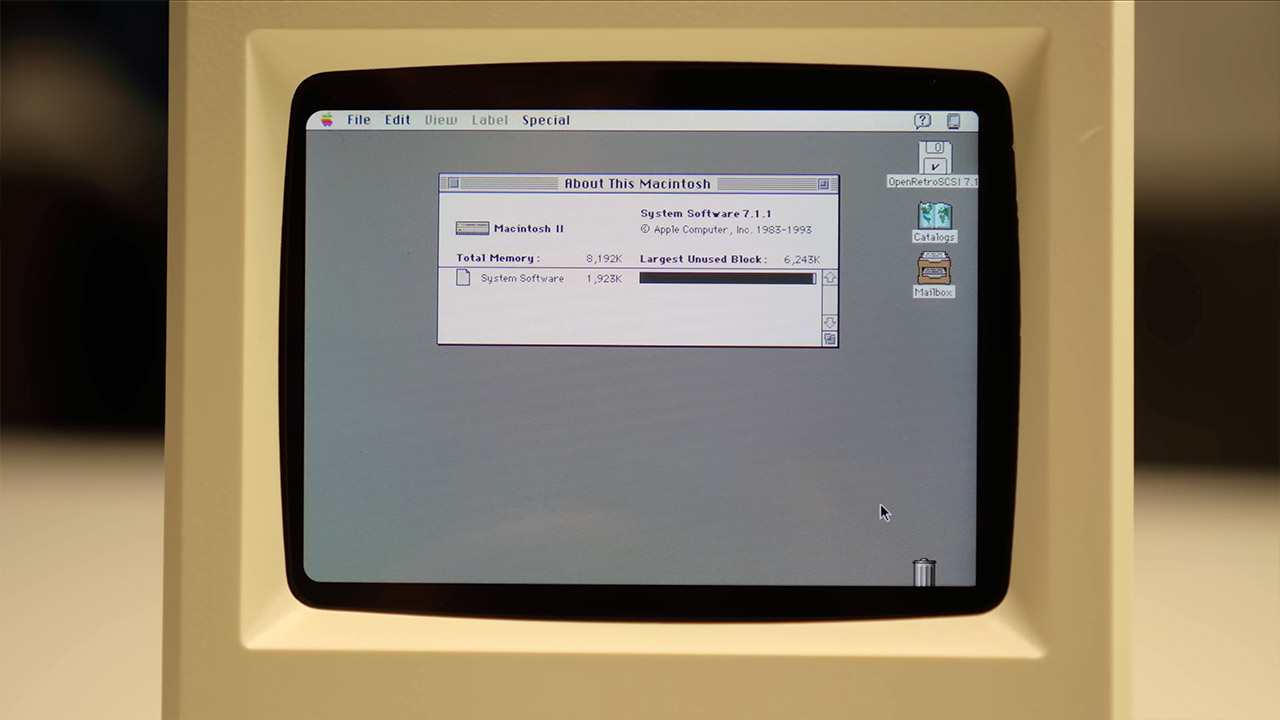
The real magic comes from the software, Raspberry Pi OS, notably the 32-bit version, which is stored on a fancy 32GB microSD card. After setting up the essentials like Wi-Fi and SSH, he installed the display drivers and adjusted the output to match the Mac case’s portrait orientation. The big event, however, is Mini vMac, a lightweight emulator that replicates ancient Macintosh computers in one fell swoop. Unfortunately for the project, newer versions were too hefty for the Pi Zero 2 W, so he reverted to an older release that he compiled from source. The laptop then boots directly into System 7 after loading a Mac ROM file and some system disk images, ready to run some vintage apps or simply sit there looking nice with one of those mesmerizing After Dark screen savers.
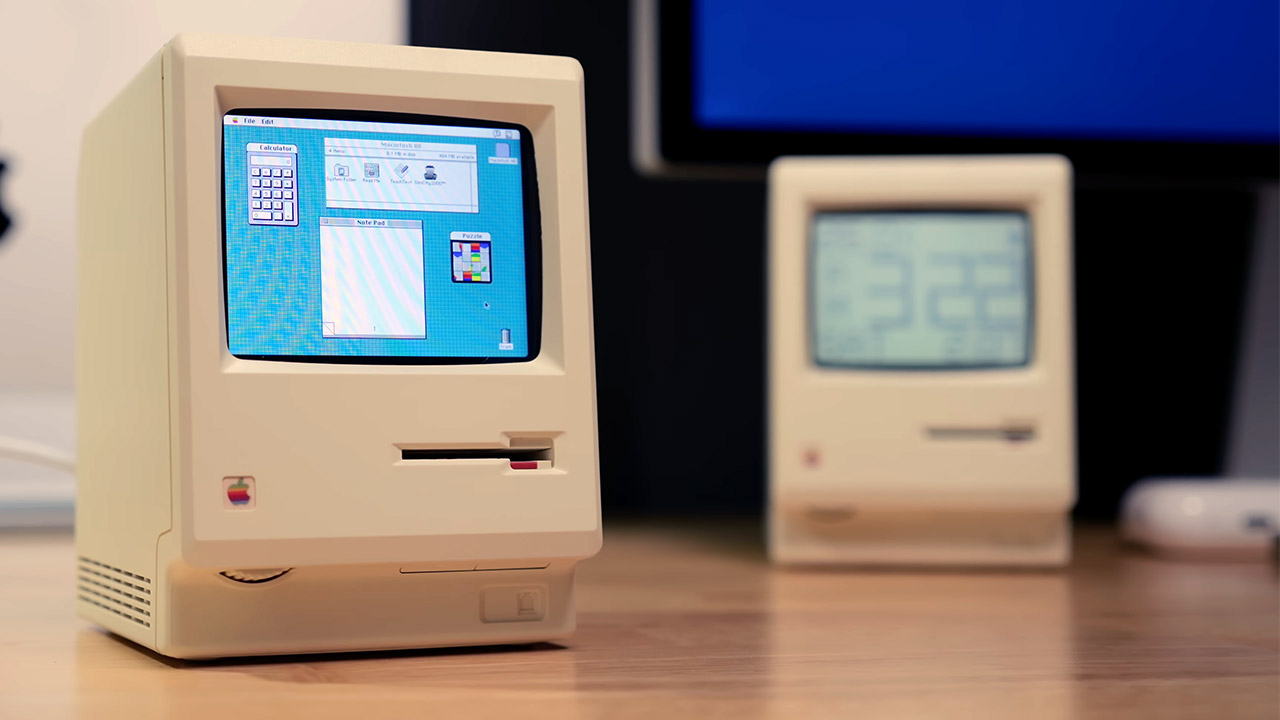
Wondermac operates as a headless machine, displaying its replicated desktop on that little screen, essentially serving as a constant desk ornament. It uses very little power and is extremely silent. Overall, it cost him roughly $100, depending on where you can obtain the Maclock and parts. He’s retained a repository of all the software phases on GitHub, from getting started to mucking around with compilation notes, though he admits the project isn’t seeing much active activity right now.
