Photo credit: Hackaday
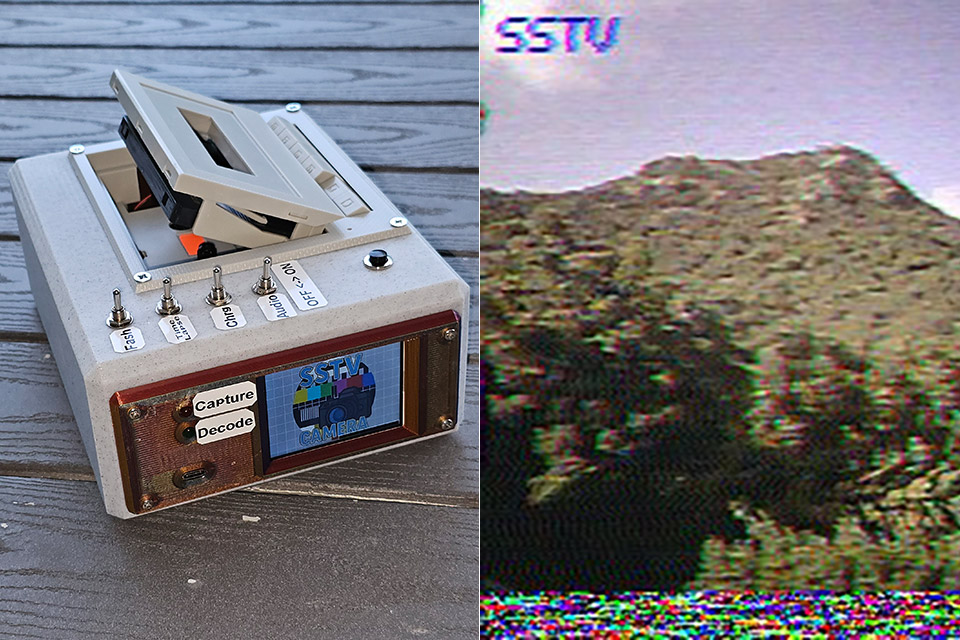
A cassette tape squeezes a snapshot and then spits it out in an altered state. Jordan Blanchard, the mastermind behind this project, calls it the Digital-Analog Tape Picture Camera. It’s a handheld device that digitally captures still images, converts them to sound, saves them to standard cassette tapes, and then allows you to view them.
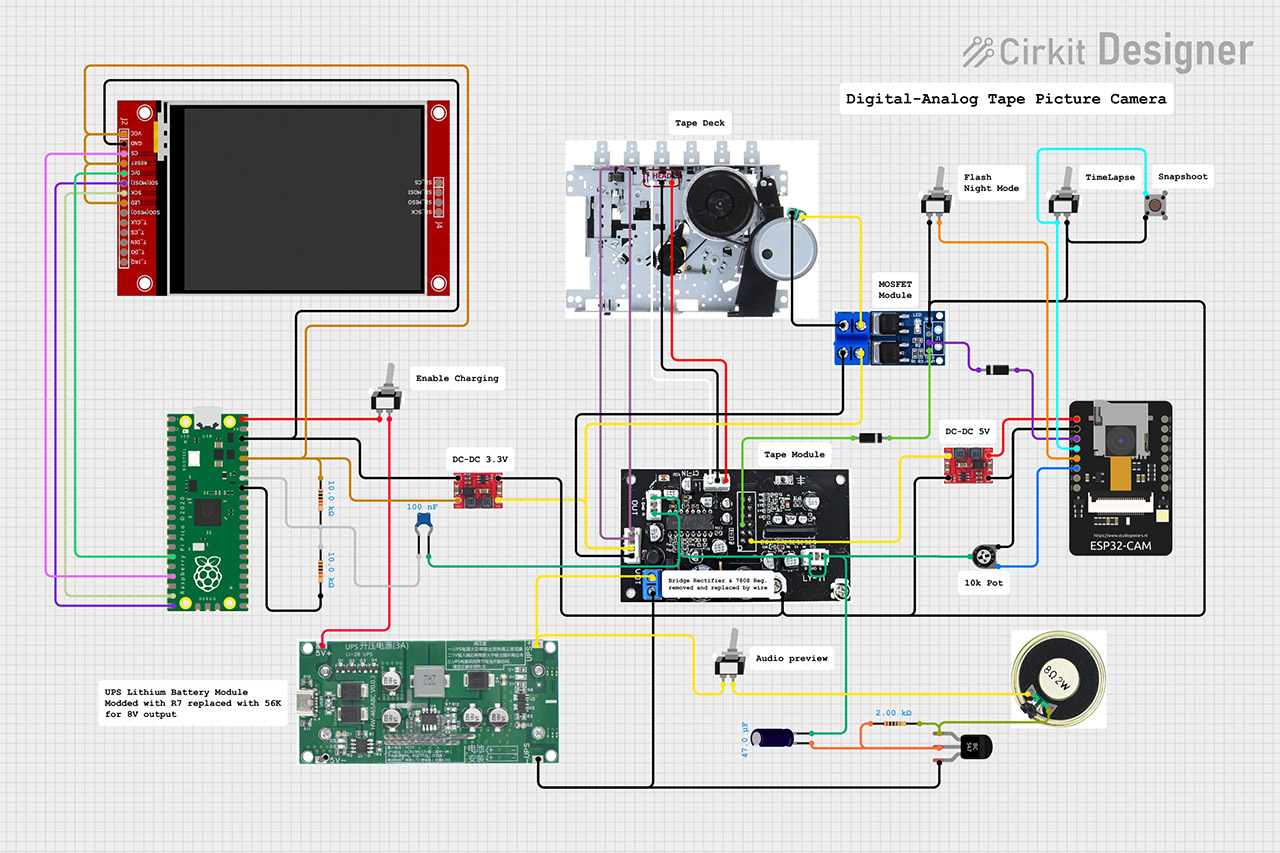
Jordan begins with an ESP32-CAM module, a little board that has about everything you’d need in one compact unit: a microcontroller and a 2-megapixel camera sensor. To keep things reasonable, the board takes a photo at a low resolution of 320 by 256 pixels, which isn’t exactly high definition, but that’s not the objective. Rather than storing the images on an SD card or sending them into the cloud, the ESP32 converts them into a traditional audio stream using Slow Scan Television encoding.

Fujifilm Instax Mini 41 Instant Camera Vintage Black. + Fujifilm Value Pack (40 Sheets) + Shutter…
- ALL-IN-ONE BUNDLE: Everything you need to start shooting and sharing memories instantly – Fujifilm Instax Mini 41 Instant Film Camera (Black) with…
- TIMELESS STYLE WITH A MODERN EDGE: Blends retro-inspired design with up-to-date features, making it both a practical tool and a trendy accessory.
- SMART EXPOSURE CONTROL: Automatically adapts shutter speed and flash settings to deliver consistently bright and clear photos in any lighting…
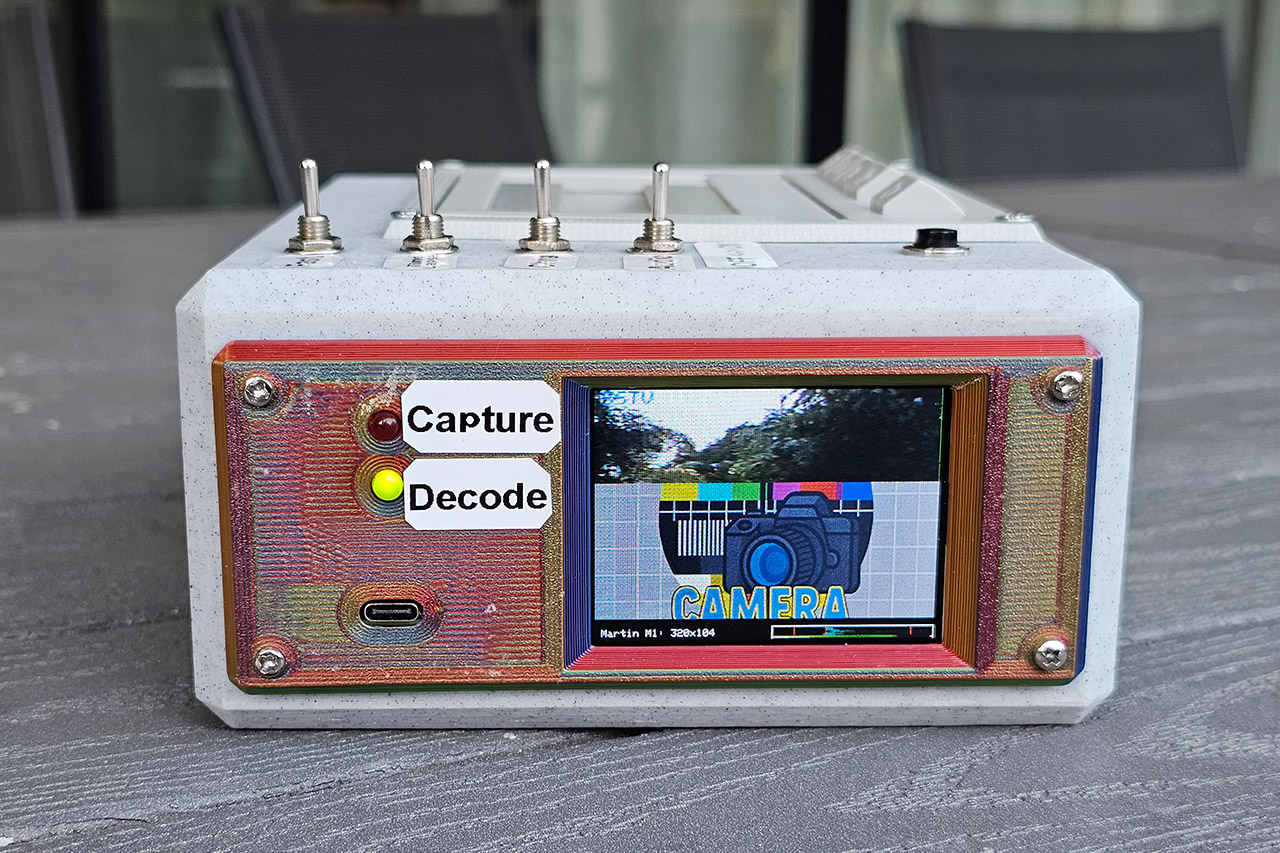
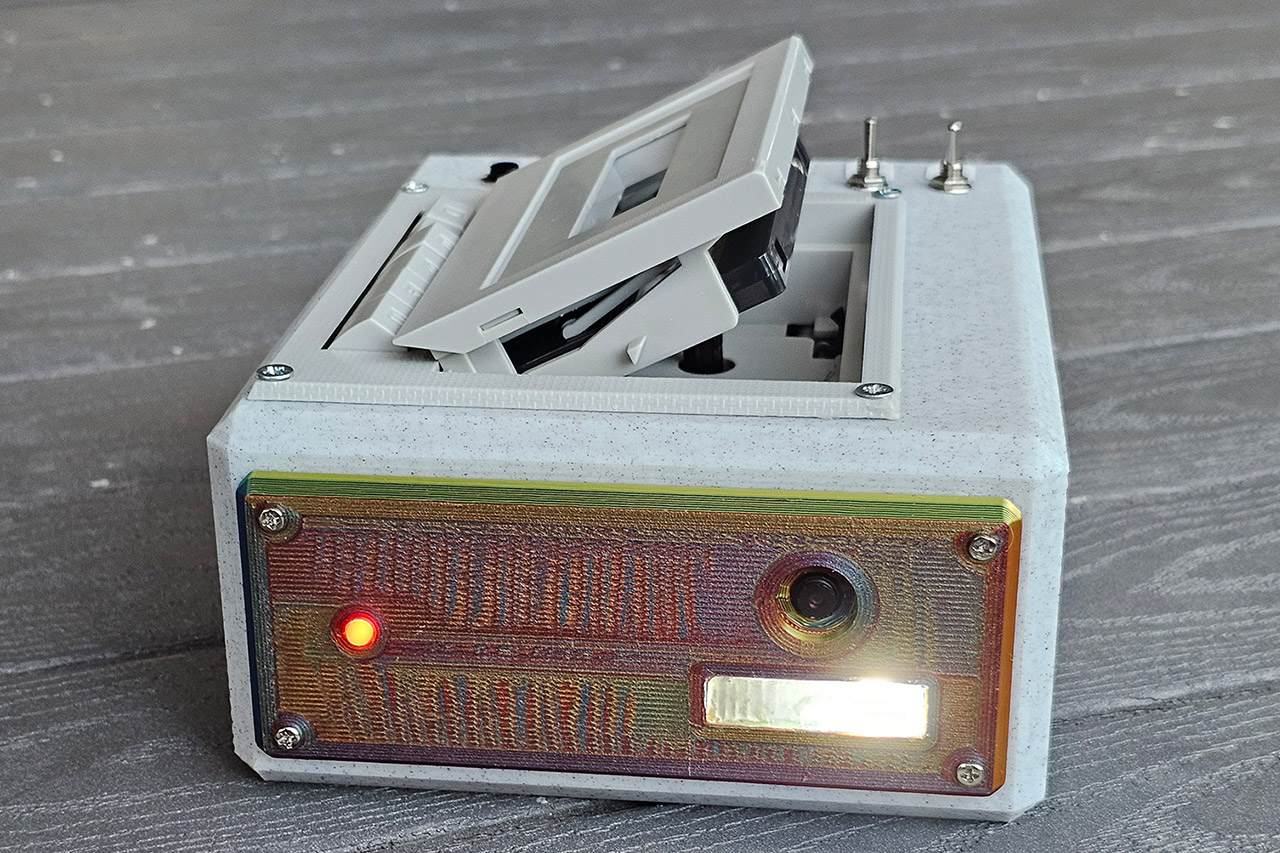
The signal is sent directly to a built-in cassette player, which is most likely more than a decade old. When you push the shutter button, the ESP32 instructs the motor to begin spinning the tape, but only during the recording period, which lasts approximately one to two minutes each image. The audio output produces a constant buzzing noise at 1480 Hz, similar to the sound of data pouring onto an old magnetic tape. This item even has a night mode with flash and longer exposure, as well as time-lapse, so you can fit numerous shots on a single side of the cassette, up to 15 or 16, depending on the tape and your settings.
The playback process is the inverse, with the tape rewinding and playing back via the same deck while a Raspberry Pi Pico listens to the audio, decodes the SSTV signal in real time, and sends the image to the screen you’ve attached. It’s fascinating to watch: each line of pixels appears gradually as the decoder progresses through it, line by line. The Pico even attempts some mistake correction, albeit there are still flaws.
The whole thing is a bit of a throwback, because tape flaws will undoubtedly make the finished image look a little rough around the edges. The motor’s speed changes introduce a variety of artifacts; the technical phrase is ‘wow and flutter,’ which simply means that it alters the frequencies slightly and causes some sync difficulties. Cheap decks can increase dropouts and noise, resulting in streaks, color shifts, and grain that resembles vintage VHS glitches. So the finished image is a little fuzzy and marred by these flaws, giving it a ghostly, lo-fi feel that’s ideal for creepy stills or somber outdoor shots.
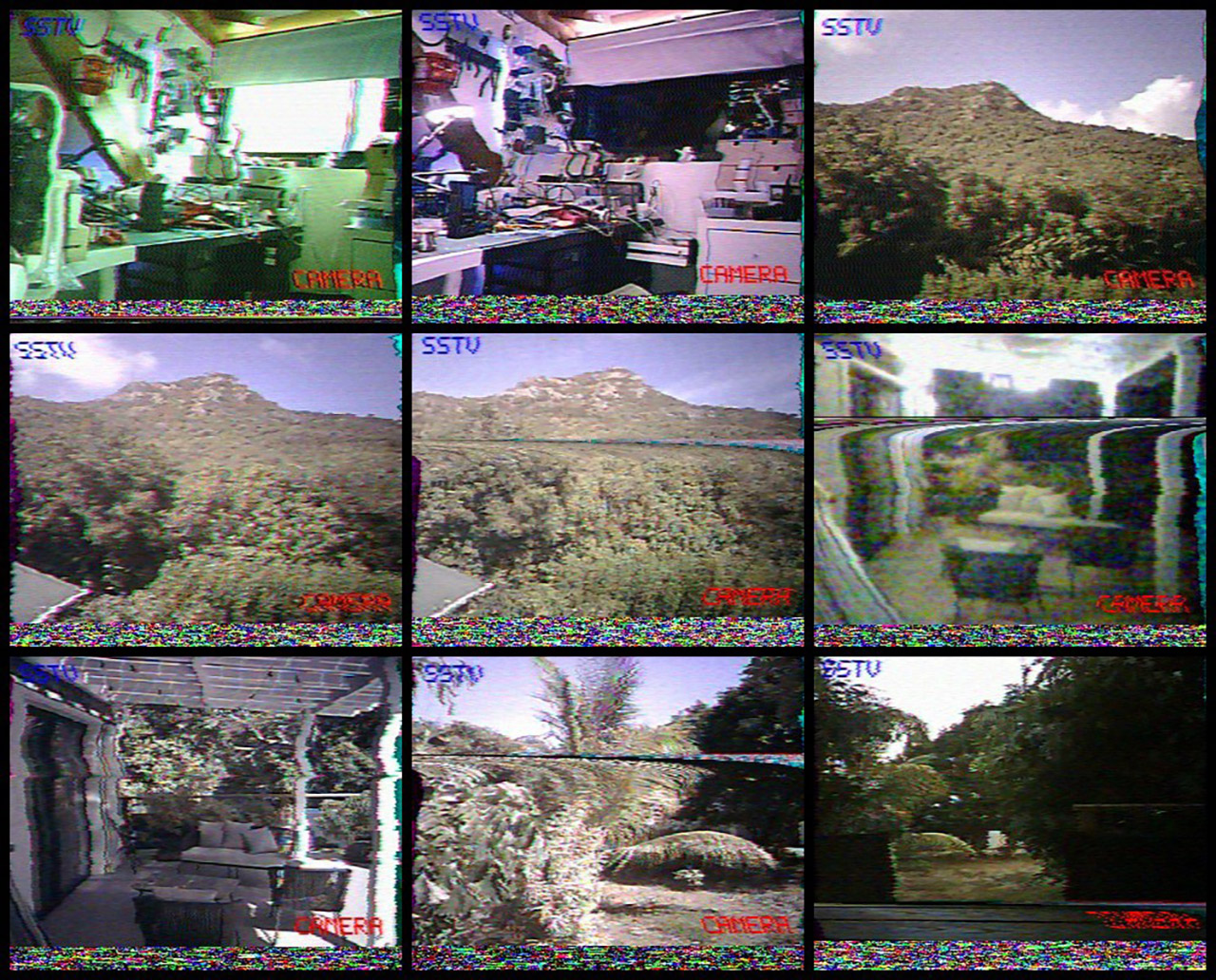
To be honest, the entire process is a little tedious. You got take the photo, wait for the tape to record, rewind it, play it again, and simply watch as the image gradually rebuilds itself. It’s similar like taking a polaroid, but it takes much longer. Your current camera produces fast results, but this one provides a far more methodical experience; it’s as if you knew how storage worked in the ancient days, and every photo was important.
[Source]
