
For most people, Wi Fi still feels like a background utility. It is just there, until it is not. CES 2026 quietly flipped that script. While much of the world is still upgrading to WiFi 7, the next generation has already stepped onto the show floor, and it is sending a clear message. WiFi 8 is not about chasing headline speeds. It is about fixing everything that frustrates us about wireless today.
Routers, chipmakers, and network brands arrived in Las Vegas with working hardware, bold designs, and a shared philosophy. Reliability is the new performance metric. Stability is the new flex. And Wi Fi 8 is being built for a world drowning in devices, not just speed tests.
Speed Is No Longer The Point
On paper, Wi Fi 8 does not look revolutionary. Peak theoretical speeds sit in a familiar range, similar to high end WiFi 7 setups. Same spectrum bands. Same ultra wide channels. Same eye catching numbers for marketing slides.
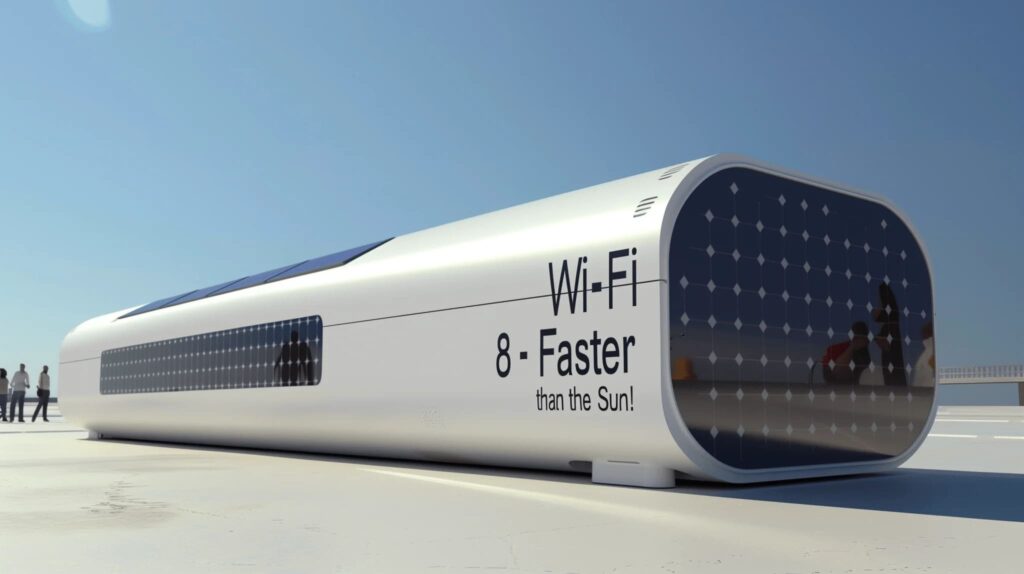
Image Credits: ACE Peripherals
What changes is what actually happens in real homes, offices, and apartment buildings.
WiFi 8 is engineered around Ultra High Reliability. That means fewer drops when you walk between rooms, less congestion when dozens of devices compete for airtime, and dramatically lower worst case latency when networks are stressed. Instead of optimizing for the fastest possible moment, WiFi 8 optimizes for the worst one.
That shift matters more than another jump in raw throughput.
Routers That Work Together, Not Against Each Other
One of the biggest shifts with WiFi 8 is coordination. Traditional routers behave independently, often competing for airtime and creating interference in busy environments. WiFi 8 allows multiple access points to coordinate transmissions, share timing information, and intelligently reuse space.
In mesh systems, this cooperation becomes transformative. Instead of individual nodes fighting for signal dominance, the network behaves like a single coordinated system. Coverage improves. Congestion drops. Performance stays consistent as users move through a space.
This is Wi Fi that understands context, not just bandwidth.
Smarter Use Of The Air Itself
WiFi 8 also makes better use of spectrum. Rather than treating wide channels as rigid blocks, routers can dynamically split and allocate spectrum based on what is actually available at any given moment. Unused portions no longer sit idle just because part of a channel is blocked.
Upload performance improves alongside downloads, which is increasingly important for video calls, cloud backups, streaming, and AI driven applications. The network feels balanced instead of lopsided.
Lower Latency That You Can Feel
Latency is where WiFi 8 quietly shines. Deterministic scheduling and smarter packet handling reduce jitter and minimize worst case delays. That matters for gaming and extended reality, but it also transforms everyday experiences.
Video calls stop freezing when someone starts streaming. Smart home commands respond instantly. Wireless networks feel wired in a way they rarely have before.
Predictability becomes the new luxury.
ASUS Made WiFi 8 Feel Real
If WiFi 8 needed a defining moment at CES 2026, ASUS delivered it.
The ROG NeoCore router concept stood out immediately. A multi sided, futuristic design with no external antennas, it looked more like a piece of gaming hardware than traditional networking gear. That design was not just for show. It reflected a deeper shift in how routers are being built.
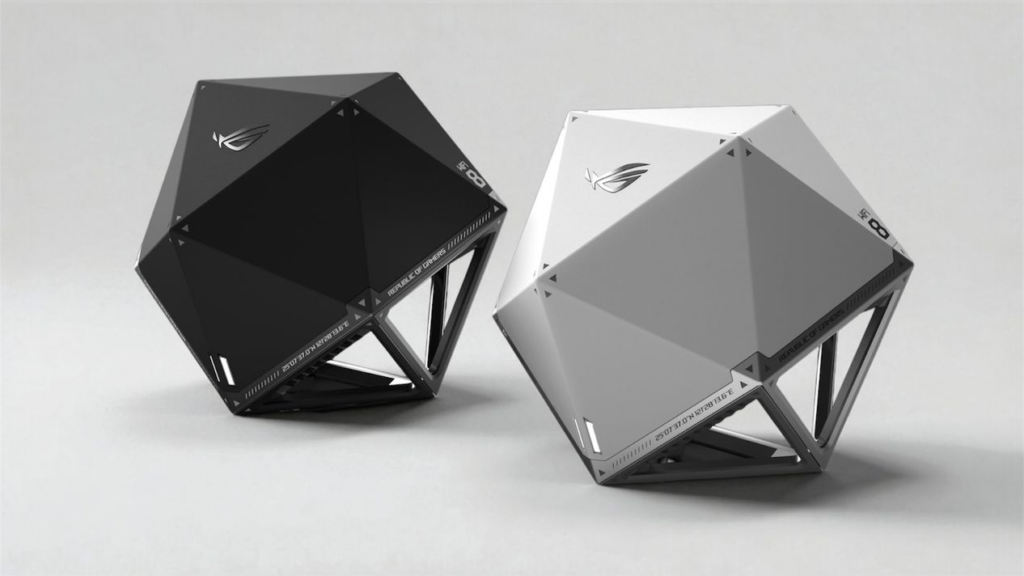
Image Credits: ASUS Pressroom
Inside, the NeoCore focuses on WiFi 8’s core strengths. Instead of chasing headline speeds, ASUS prioritized consistent mid range performance, wider device coverage, and dramatically lower latency under heavy load. An AI driven network engine actively monitors traffic and adapts in real time, allocating bandwidth where it matters most.
In ASUS internal testing, the gains were substantial. Mid range throughput doubled compared to comparable WiFi 7 setups. IoT coverage expanded significantly. Worst case latency dropped to a fraction of what current flagship routers deliver. These are the kinds of improvements users actually notice during gaming sessions, video calls, and smart home automation.
The NeoCore also integrates into ASUS’s mesh ecosystem, reinforcing the idea that WiFi 8 works best as a coordinated system rather than a single powerful box. While pricing and final specifications were not announced, the message was clear. WiFi 8 routers are not incremental upgrades. They are a rethink.
Chipmakers Are Building Platforms, Not Just Radios
Behind the scenes, WiFi 8 is being powered by a new generation of silicon platforms. Rather than focusing solely on faster radios, chipmakers are integrating processing, networking, and intelligence into unified systems.
These platforms enable real time traffic analysis, smarter quality of service decisions, and coordination across multiple access points. Routers are becoming adaptive systems that learn and respond continuously instead of relying on static rules.
This is why AI keeps coming up in WiFi 8 conversations. Not as a buzzword, but as a practical tool for managing increasingly complex networks.
Why WiFi 8 Is Arriving So Early
Official certification for WiFi 8 is still years away, yet CES 2026 made it obvious that the industry is not waiting. The reason is simple. The pain points already exist.
Homes are filled with connected devices. Work, play, and automation share the same networks. Latency and reliability matter more than peak speed bursts. WiFi 8 is a response to reality.
The Beginning Of A New Era
You will not be able to buy a mainstream WiFi 8 router tomorrow. Early products will target enthusiasts, gamers, and service providers first. Mesh systems and consumer models will follow as hardware matures.
But CES 2026 marked a turning point.
WiFi 8 is not just a new standard. It is a change in priorities. From speed to stability. From raw power to intelligence. From isolated routers to coordinated systems.
The WiFi 8 era has officially begun.
I’m a tech-savvy marketing strategist who’s always exploring how products fit into real-world behavior and market trends. Leveraging my professional experience in marketing, I evaluate gadgets from strategic and user-focused perspectives. At The Gadget Flow, I analyze features, benefits, and market impact to give readers a deeper understanding of the latest tech.
