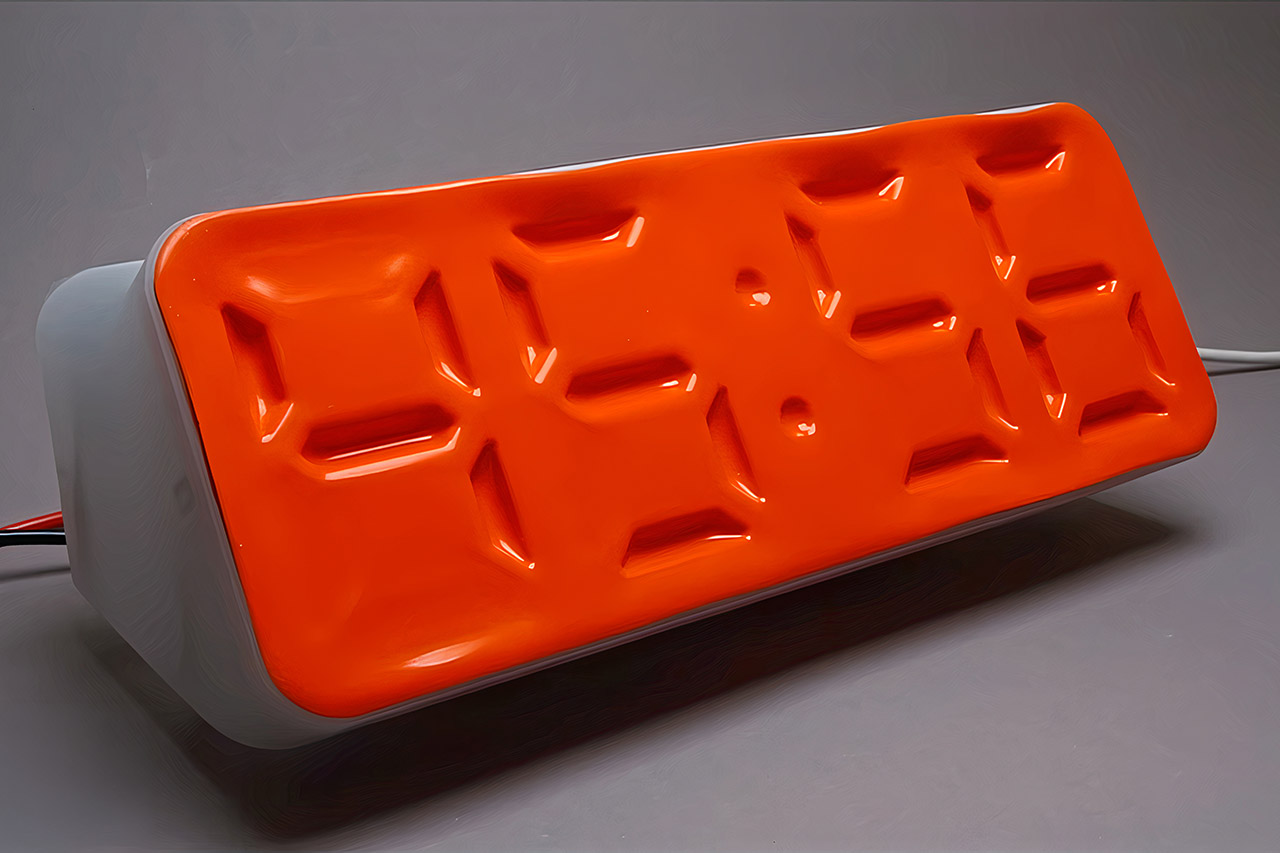
Soiboi Soft set out to build a four-digit display out of nothing but air pressure. The finished product is an impressive design, with 3D printed pieces and ultra thin silicone sheets, without cables running directly to the section. Instead, vacuum lines pull on flexible membranes to create luminous bars, which remain in place long after the signal is turned off.
Work began by creating a single segment, utilizing a 3D printed block to channel air flow and a sheet of silicone held down tightly with screws. Apply vacuum to one side, and the membrane sucks in, leaving a visible dent that defines the segment. When the suction is released, the silicone simply relaxes back to its original flat position. This is the basic on/off action of the display. The inventor added a tiny valve that functions similarly, a pneumatic transistor that opens or shuts the route based on the amount of control pressure applied. Connect that to the segment, and you’ve created a memory cell that will remain active even if the input line is severed. When the vacuum reaches the segment, it becomes fixed and cannot be changed unless something new occurs. Atmospheric pressure indicates that the thing is off, whereas vacuum indicates that it is on. The state remains unchanged until something new is written to it.

Bambu Lab A1 3D Printer, Support Multi-Color 3D Printing, High Speed & Precision, Full-Auto Calibration…
- High-Speed Precision: Experience unparalleled speed and precision with the Bambu Lab A1 3D Printer. With an impressive acceleration of 10,000 mm/s…
- Multi-Color Printing with AMS lite: Unlock your creativity with vibrant and multi-colored 3D prints. The Bambu Lab A1 3D printers make multi-color…
- Full-Auto Calibration: Say goodbye to manual calibration hassles. The A1 3D printer takes care of all the calibration processes automatically…
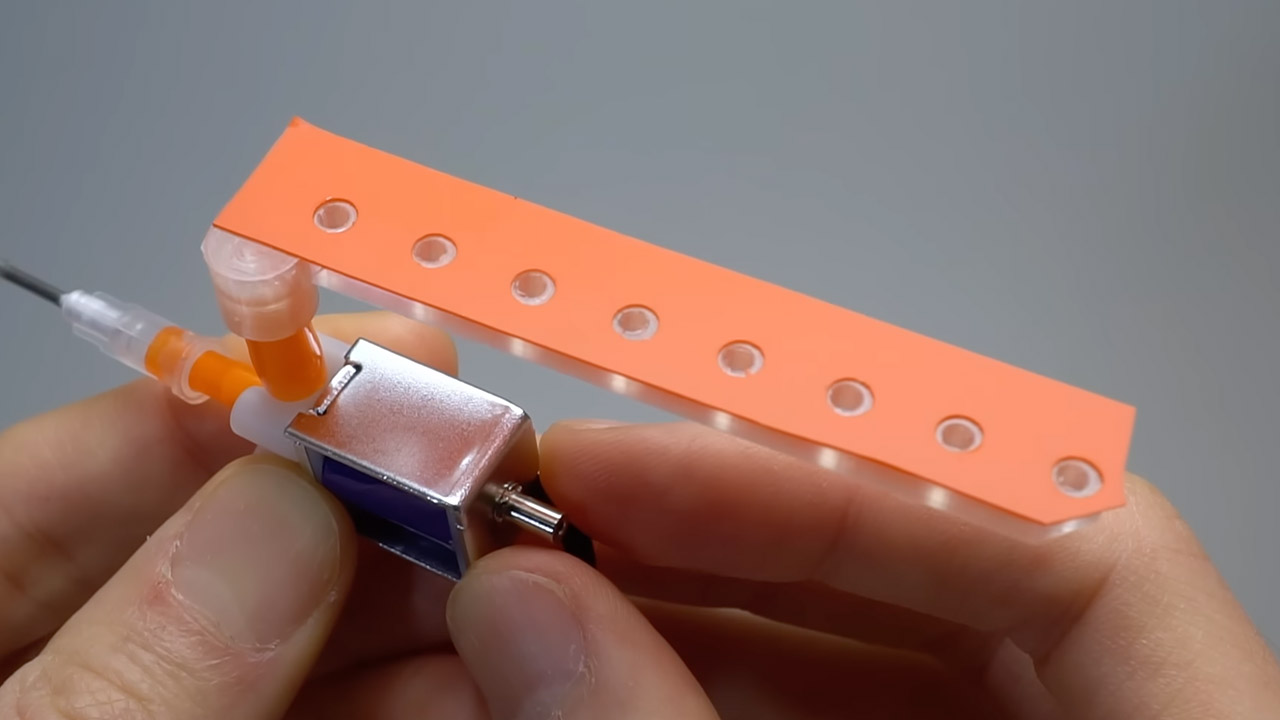
Seven of the memory cells are lined up within a single digit. Each cell has a shared data line, but there is a separate enable line that controls all seven valves simultaneously. Send some vacuum down that line, and all of the transistors will open. Data lines then direct vacuum or air to the appropriate segments to obtain the desired number. Close the enable, and the digit will lock its pattern in place. The whole display is simply the same setup repeated over four digits. Seven data lines feed all of them, and four separate enable lines determine which one receives fresh information. This significantly reduces the total number of connections made. Only eleven tubes are required to handle everything. The dots between the numbers appear automatically when a new number is entered, owing of the one-way valves that isolate each enable.
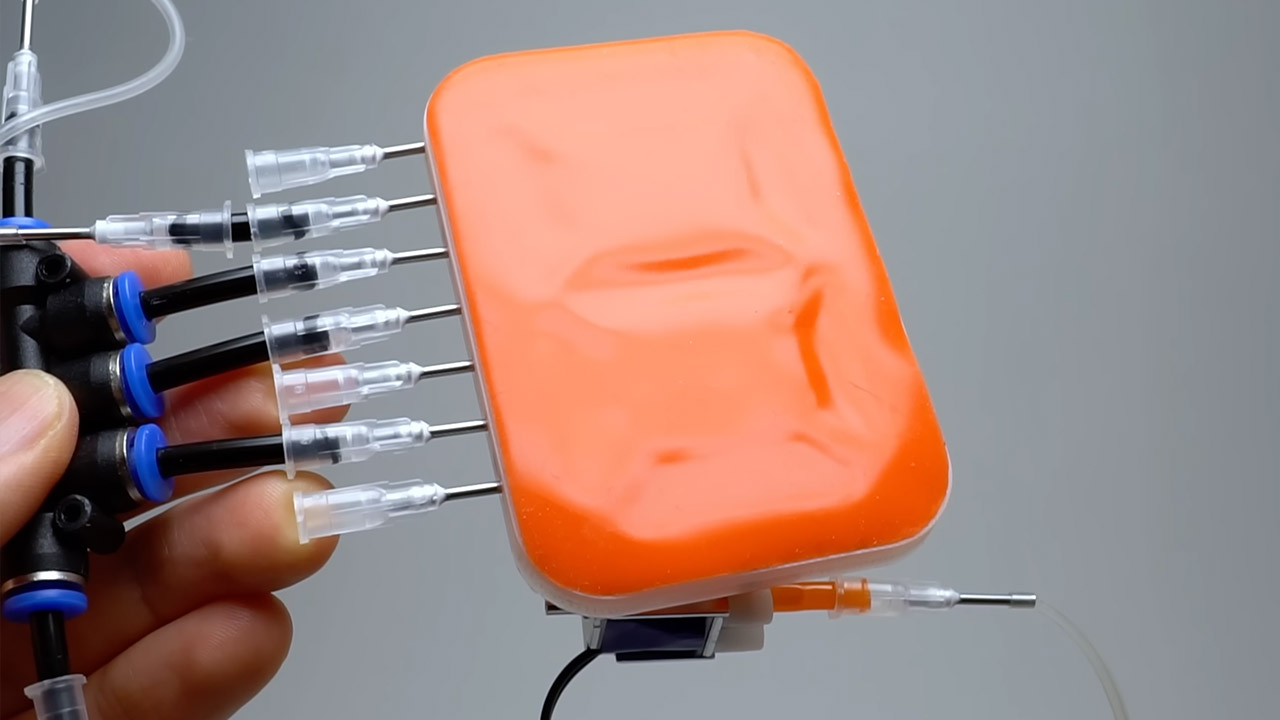
Building the parts was a serious challenge, including getting the 3D printing on PLA just right, with smooth-flowing channels, and then casting the silicone membranes in ultra thin layers so they respond quickly while sealing correctly. Some stainless screws hold things down without allowing any air to leak through. Outside the display, a small vacuum pump and a few solenoid valves handle the real pressure switch. The sequence is timed by a microprocessor, although the display itself is mostly powered by air.
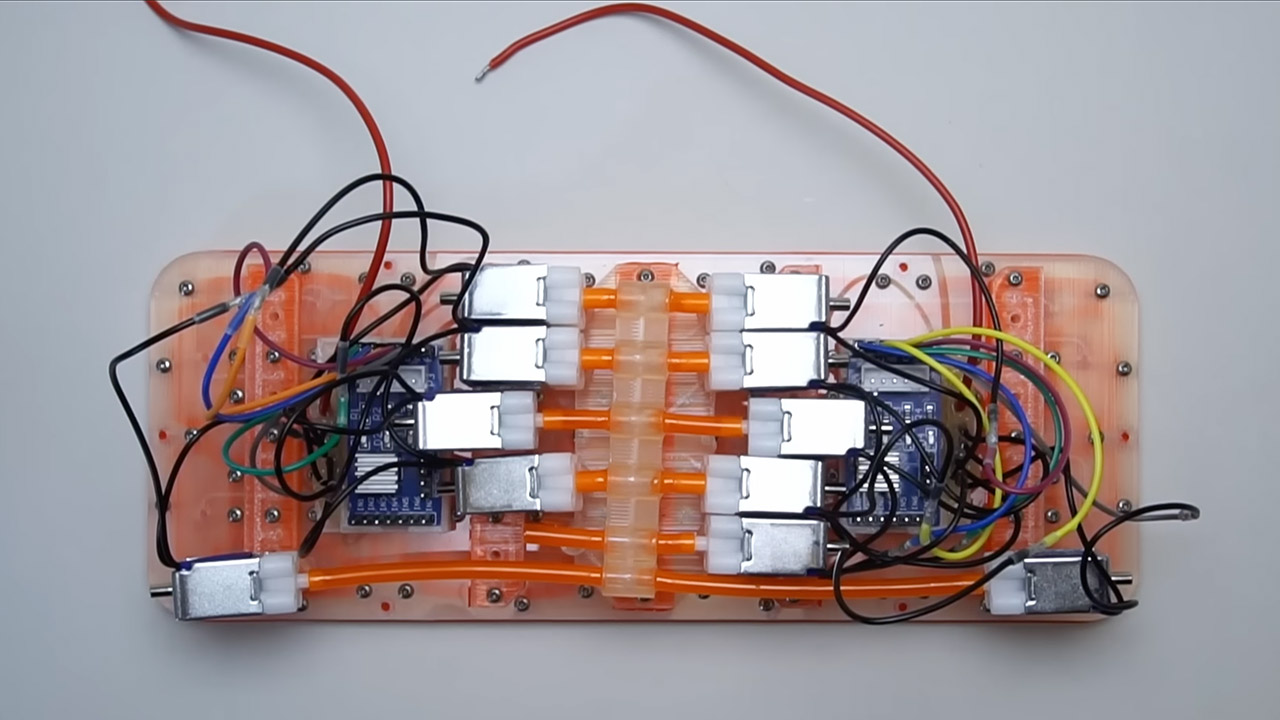
When the display is in motion, the clock appears to be alive; the numbers move smoothly every second without flickering since each part is simply remembering its state. The silicone skin just changes shape in front of your eyes, creating these crisp digits that remain steady. Vacuum lines thread through the printed body like small plumbing, directing pressure exactly where it needs to be.
