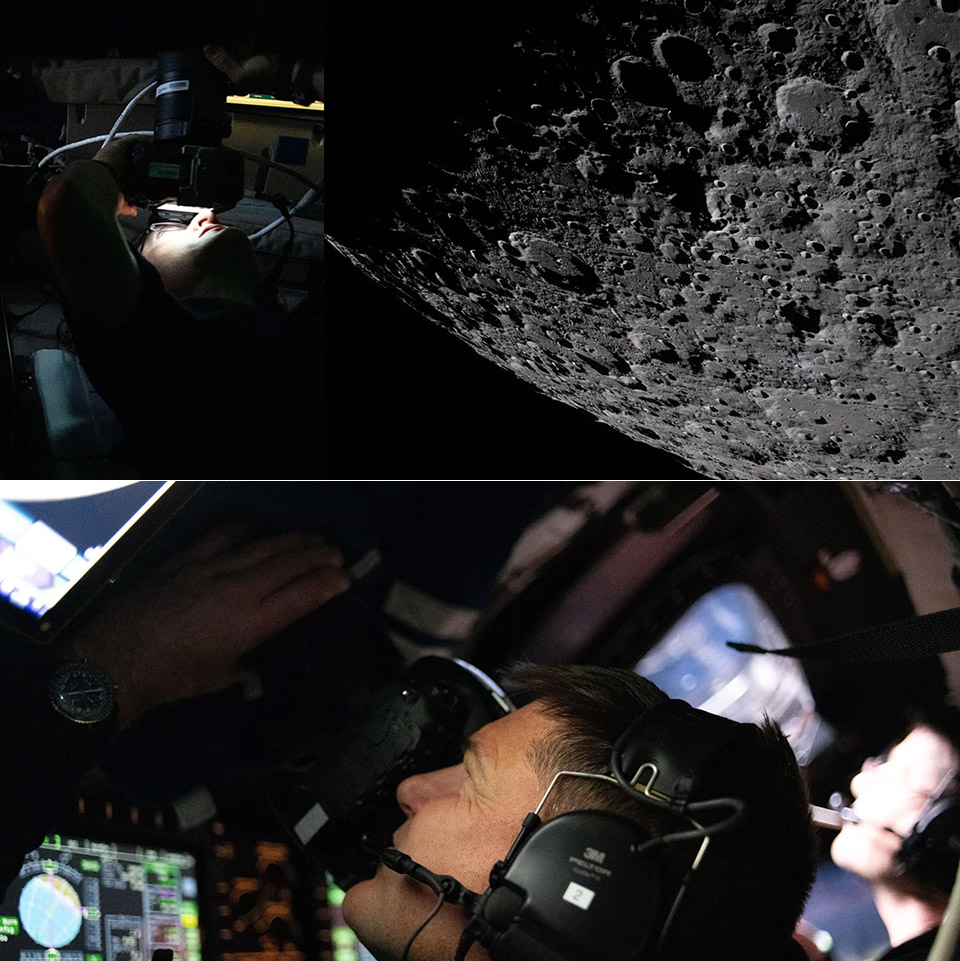
Photo credit: NASA
On April 6, four Artemis II astronauts in the Orion spacecraft sailed past the moon, and the photographs they brought back home revealed how familiar and yet completely unfamiliar the moon can appear. The closest they got to the surface was roughly 4,000 miles, but that doesn’t include the hours later when the crew sailed out to a record-breaking 252,756 miles from Earth, surpassing Apollo 13’s mark from back in the day.
Their flyby took a leisurely seven hours, during which time the crew deployed their cameras and captured a series of 10,000 or so frames from orbit, some showing off the ancient impact basins, others revealing some interesting color shifty business going on with the rocks, which appeared much browner up close than the images from Earth had suggested. Every now and then, one of the astronauts would stick their head up to spot some new feature along the line where sunlight and shadow meet. For example, one of the basins, Orientale, revealed its entire set of concentric rings to the human eye for the first time, while the Hertzsprung Basin revealed two clear rings that compared favorably to its much younger neighbour.
Sale

LEGO Technic NASA Apollo Lunar Roving Vehicle LRV Building Set – Craft Kits for Adults, Ages…
- Build a realistic LEGO Technic lunar rover model – This LRV building kit for adults is packed with authentic details including seats, steering…
- NASA model for adults – Enjoy a mindful project assembling all the details of the rover and equipment including the battery pack, heating and…
- A build for NASA fans – Remember the Apollo 17 mission with a display that features the lunar roving vehicle alongside 3 detailed equipment…
Reid Wiseman, Victor Glover, Christina Koch, and Jeremy Hansen have spent months training to spot lava flows and crater details. As soon as they spotted something worth reporting, they radioed back to Houston. After about 40 minutes, the signal dropped completely as Orion passed the back of the moon, giving the crew their first look at the far side that is usually hidden from Earth, an experience they described as completely shifting their sense of place, as if they’d just landed right in the middle of it all.
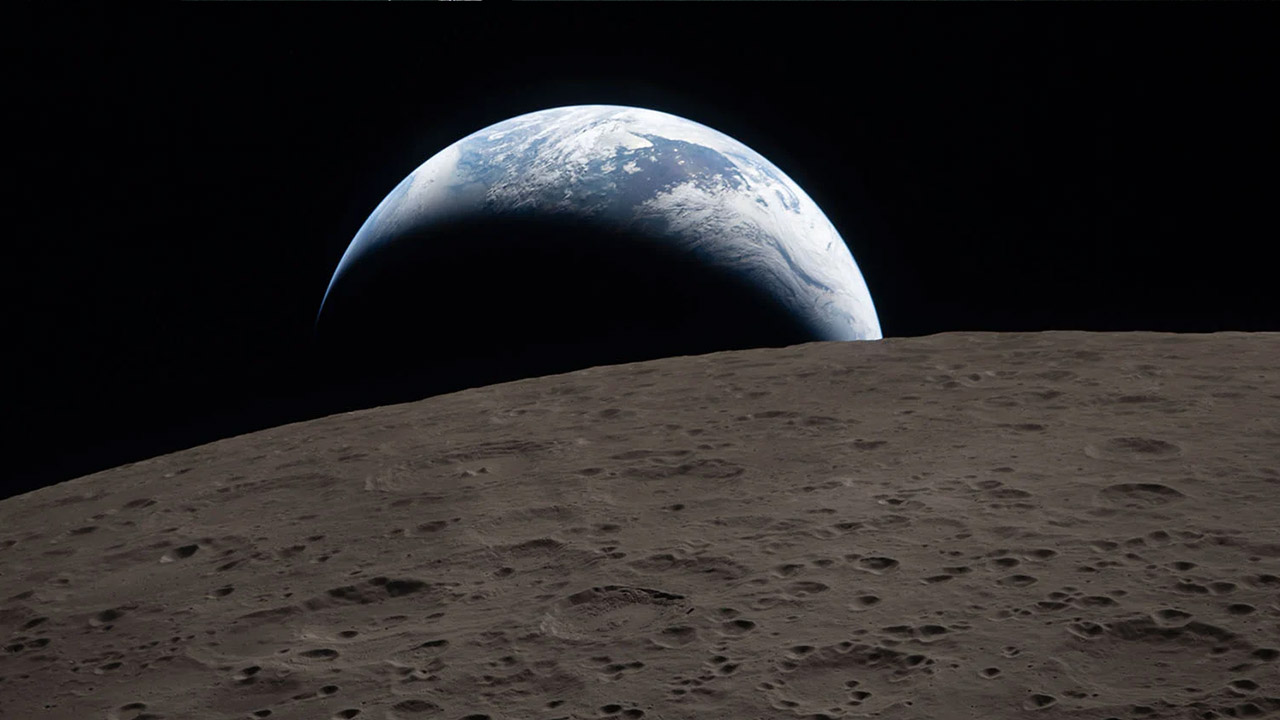
Then there was the breathtaking view of Earth itself. On the far side, the planet appeared to be sinking below the horizon, which many people immediately compared to the classic Earthrise photo from Apollo 8, but with the roles reversed, as we see craters dotting the foreground while the Earth shows clouds drifting over Australia and the surrounding region, daylight meets night in a swirling mix. That moment occurred at 6:41 p.m. Eastern time, and it was just spectacular against the backdrop of space.
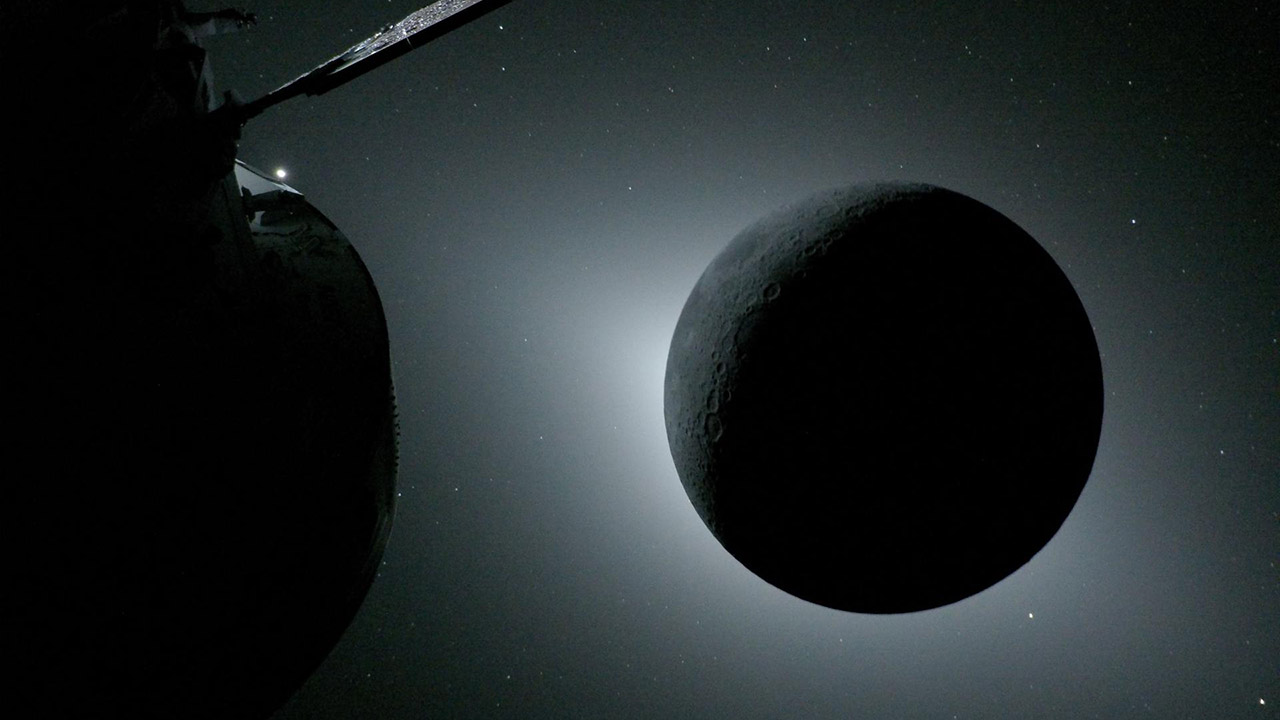
Later on, the moon moved in between the sun and the spacecraft, and suddenly we had ourselves a total solar eclipse that lasted nearly an hour, the crew got to see the corona in all its glory with all sorts of delicate streamers and so on, planets lined up in the sky, and the moon itself looked remarkably bigger than it usually does, and then just as the sun started peeking out from behind the moon again, it sort of framed the scene, with Orion visible off to one side.
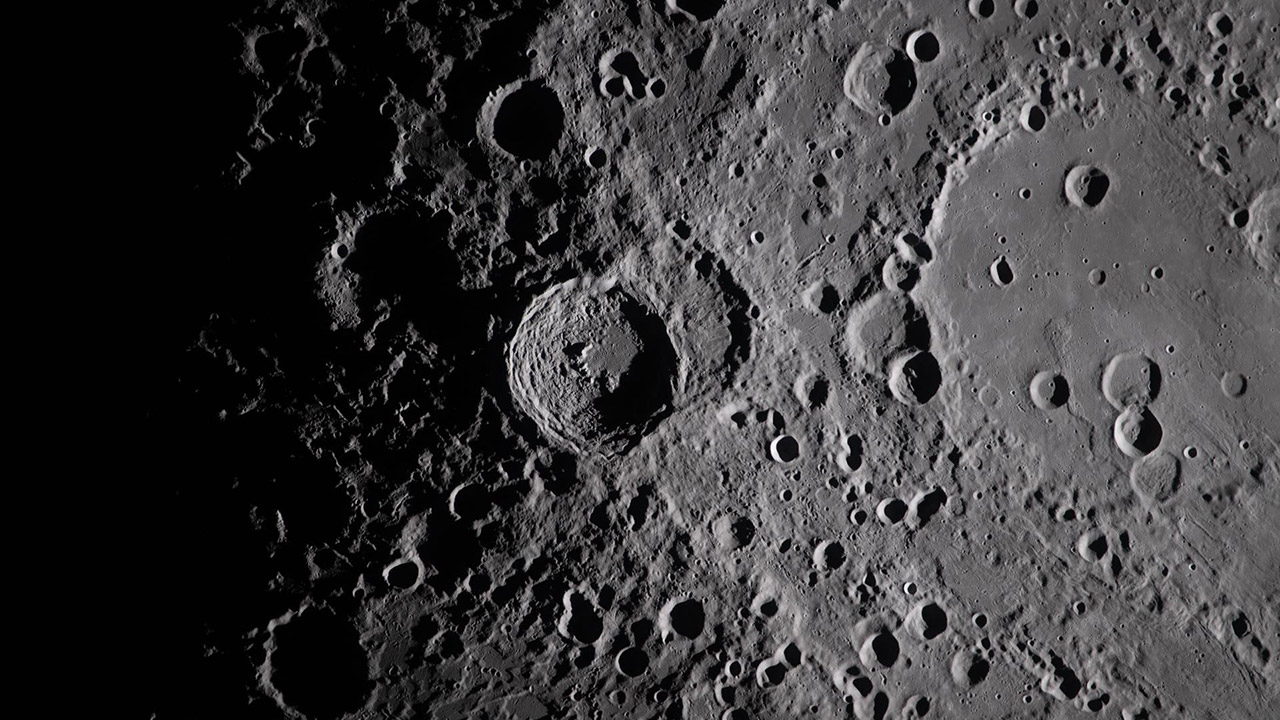
The crew also came up with names for two brand new craters discovered during the pass. One of the craters is now named Integrity in honor of the Orion spacecraft, while the other, Carroll, is named after Wiseman’s late wife, and after the suggestion made it all the way back down to ground level, the Mission Control team shared a silent moment of respect.
[Source]
