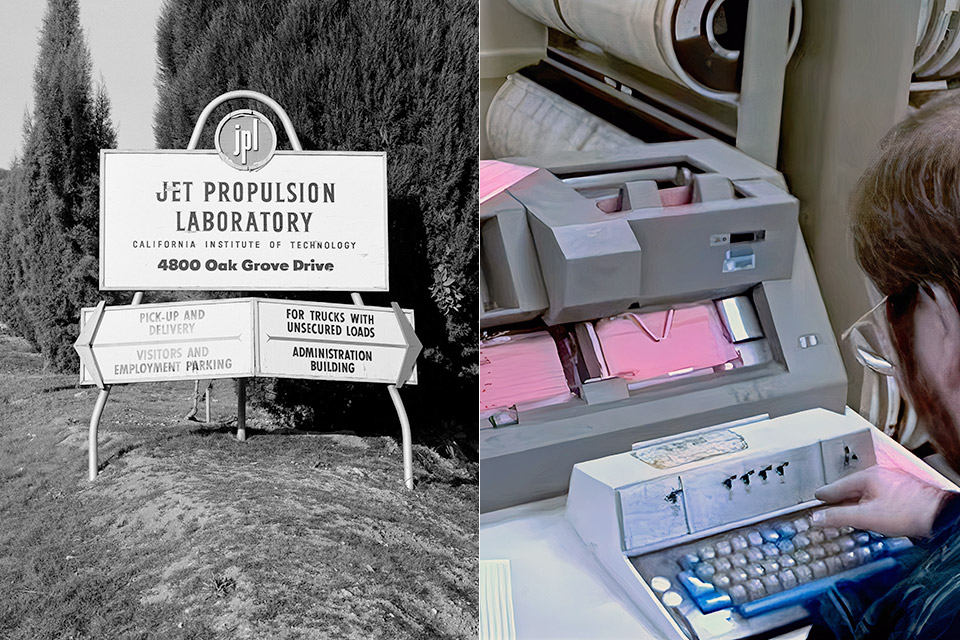
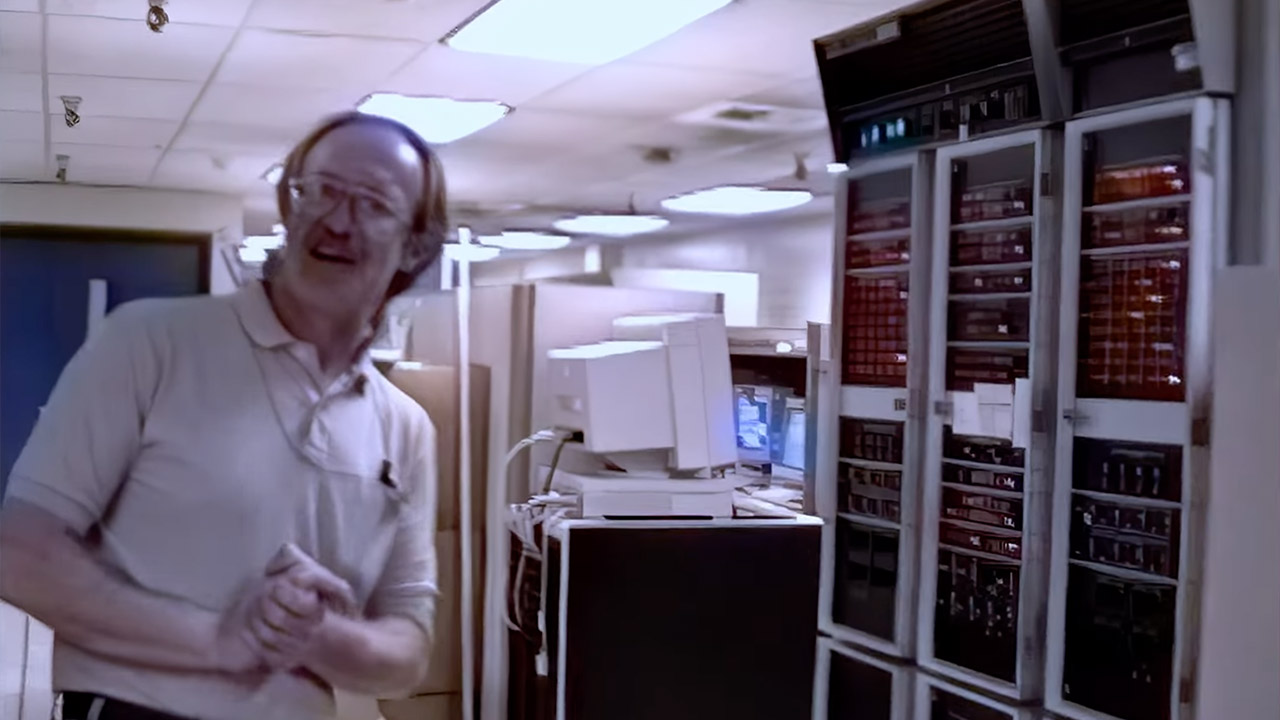
Back in the late 1980s, a group of engineers at NASA’s Jet Propulsion Laboratory (JPL) grabbed a camera and decided to document their workspace before the computing landscape changed around them. The resulting footage is a remarkable walk through Building 230, the room responsible for keeping Voyager, Galileo, and Ulysses on course through the solar system, guided by a staff member who clearly knows every piece of equipment by heart.
The first thing that catches the eye is a row of large Univac 1530 cabinets, their panels swung open to reveal registers displayed in octal format, giving operators a direct window into exactly what the machines were processing at any given moment. Paper tape readers sit nearby for loading programs manually when needed. This was the system that processed telemetry data and sent navigational updates to probes that had been traveling through deep space since the late 1970s.

LEGO Technic NASA Artemis Space Launch System Rocket Building Toy for Boys & Girls – STEM Learning…
- BUILD AN OFFICIAL NASA ROCKET – Kids prepare to explore outer space with the LEGO Technic NASA Artemis Space Launch System Rocket (42221) building…
- 3-STAGE ROCKET SEPARATION – Young builders can turn the hand crank to watch the rocket separate in 3 distinct stages: solid rocket boosters, core…
- STEM BUILDING TOY FOR KIDS – This educational rocket kit was created in collaboration with NASA and ESA to showcase the authentic system that will…
Next to the Univacs is a row of IBM card punch machines. The guide inserts a stack of cards and shows how data is encoded as a precise pattern of little holes, with pink stop cards indicating the end of each batch so operators know when a job is finished. Every navigation command and instrument reading from the spacecraft were routed through this system at some time.
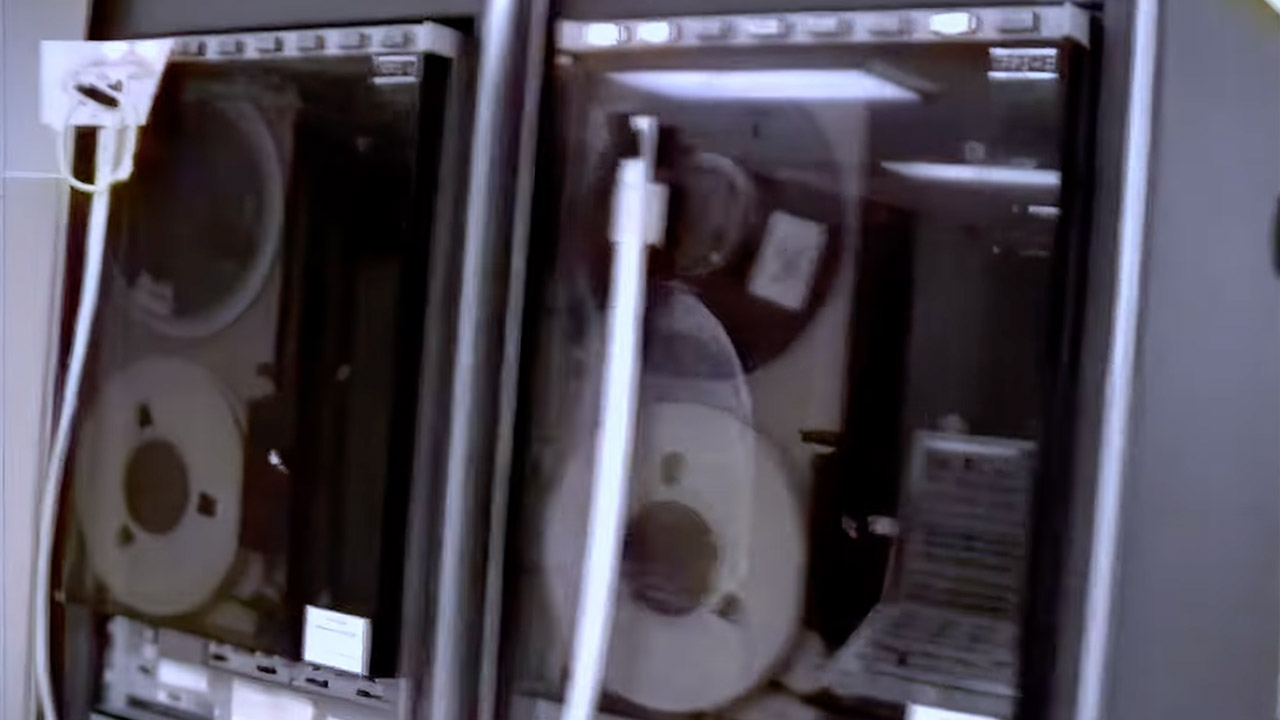
One wall is dominated by large Wang tape drives, each of which has a manual override switch that permits operators to circumvent certain safety interlocks in an emergency while keeping data flowing. Inside, spools of magnetic tape hold massive logs from deep space tracking stations, and the camera lingers long enough to practically hear the circuitry hum.
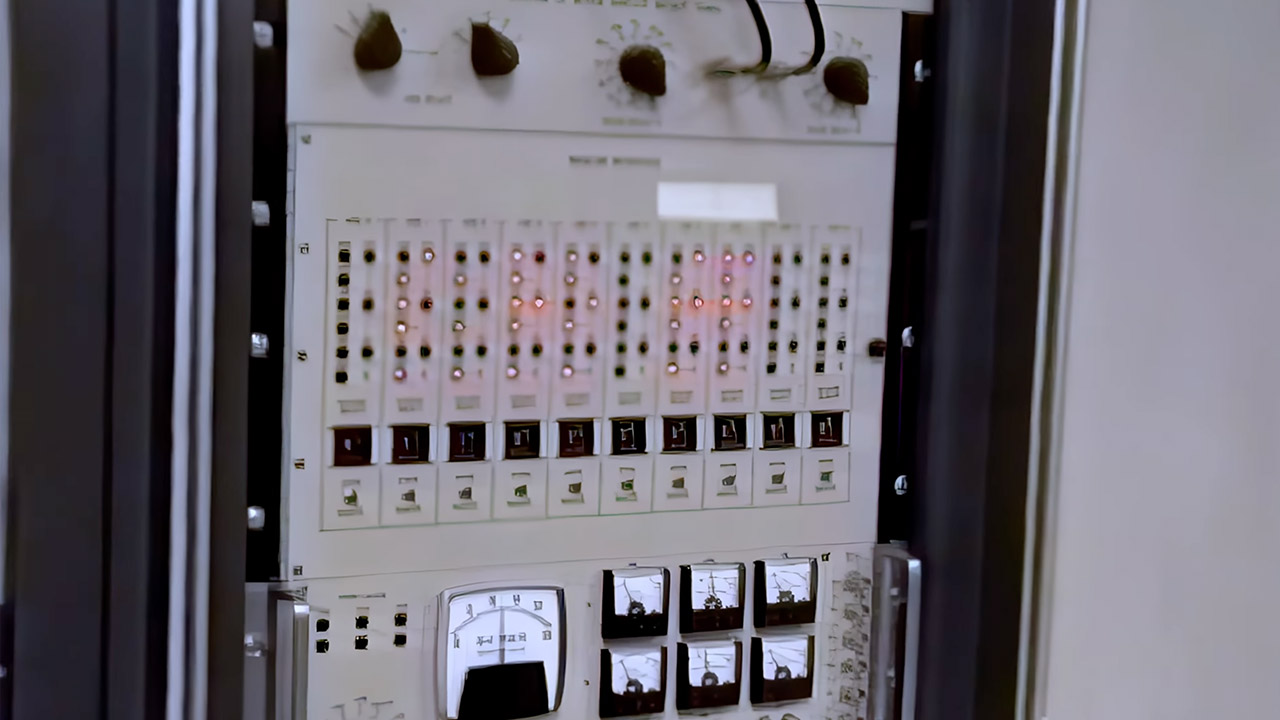
One of the more noteworthy items was built by engineer Dick Greenberg himself: a unique wideband data switch capable of handling high-speed feeds from numerous missions at the same time. Next to it is a 219 switcher, which allows two Univac computers to swap roles quickly without losing a single piece of data, as demonstrated by the narrator turning a lever live.
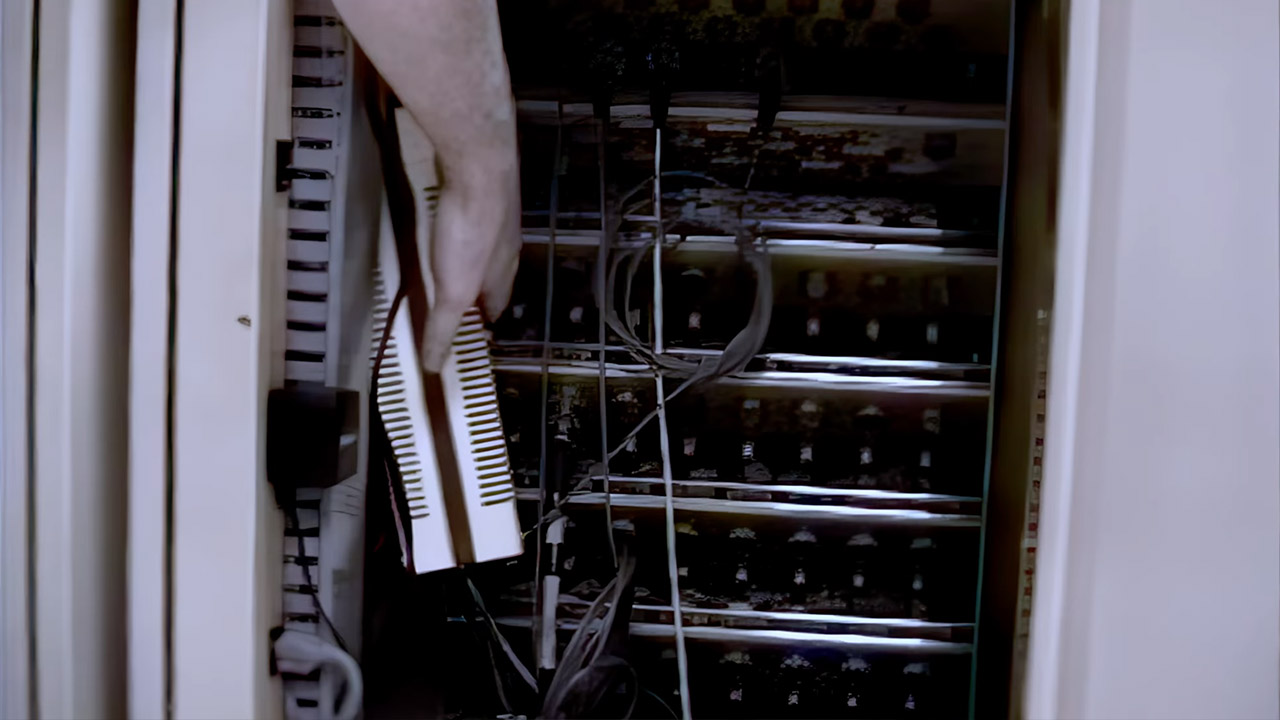
Connections to the remote operations bays in Building 525 are made via customized Univac channels, which keep controllers up to date on spacecraft status 24 hours a day. A little NIU box zip tied to the side of a cabinet stands out as a classic field fix; someone felt it would be faster and more effective than revamping the entire system, and it appears to have succeeded.
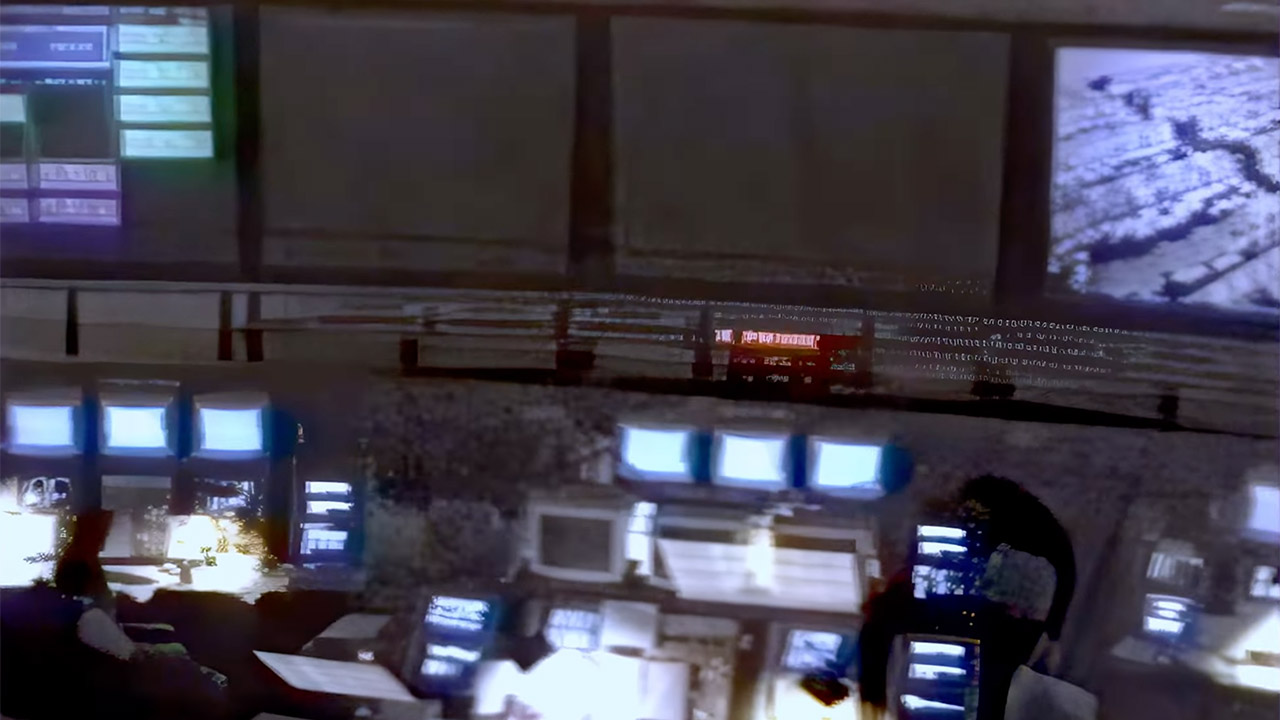
The dark room, located on the mezzanine level, is equipped with screens and old slide projectors that broadcast mission data to the rest of the team. When everything was working smoothly, this space provided everyone in the lab with a quick overview of the spacecraft’s health and route. It resembles a cross between mission control and a chaotic workshop, with hanging cables and sticky notes, and somehow that combination kept humanity’s most distant spaceship on track.
[Source]
