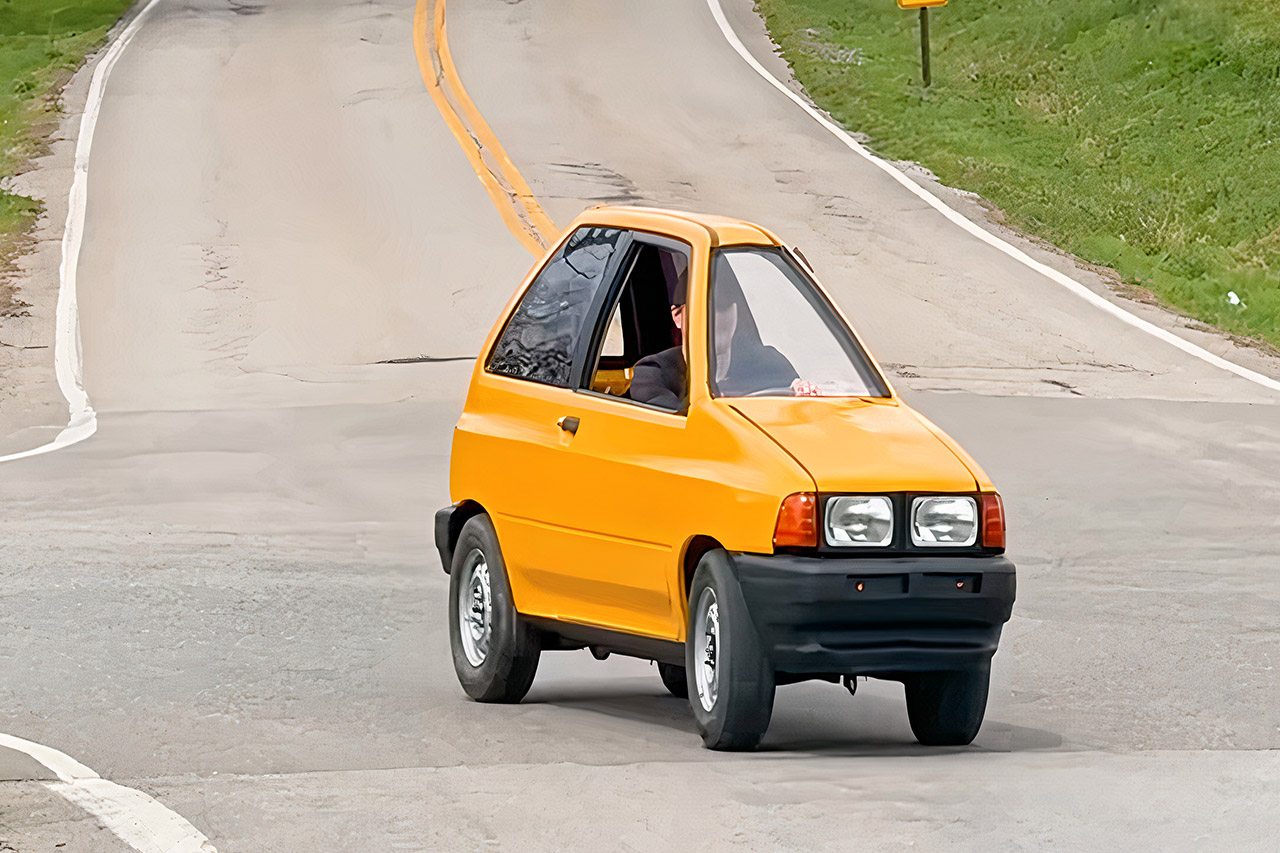
Prop Department begins with a 1988 Ford Festiva, a small vehicle with a single wheelbase that screams to be laughed at. He took a bold step in and decided to take that already tiny base and shrink it even more, all while maintaining the idea that this thing had to be road-worthy, and manage to squeeze through tight spaces that a normal car would never even come close to making it through.
The Festiva donor car had a solid base from the start. Everyone knows that this was one of the most compact cars back then, with hardly enough room to turn around inside. Its super-tight footprint makes it an ideal candidate for this experiment. Instead than putting on more parts or attaching a bunch of extra garbage, the crew decided to reduce things down to the bone. They marked up the body, took out the straightedge, and prepared to cut it down the middle, using a laser level to ensure that everything stayed true and the two halves would line up without a single gap or twist later on.
Sale

LEGO Technic Lamborghini Huracán Tecnica Orange Toy Cars – Building Toys for Boys & Girls, Ages…
- A Lamborghini model car building set for kids – Give super sports car fans ages 9 and up a challenge to remember as they assemble the LEGO Technic…
- Admire the details – Kids can build and explore the moving V10 engine, steering and opening doors of this Lamborghini Huracán Tecnica model
- Inspired by the real car – This Lamborghini car toy set features an orange color scheme, creating an eye-catching play and display model for kids…
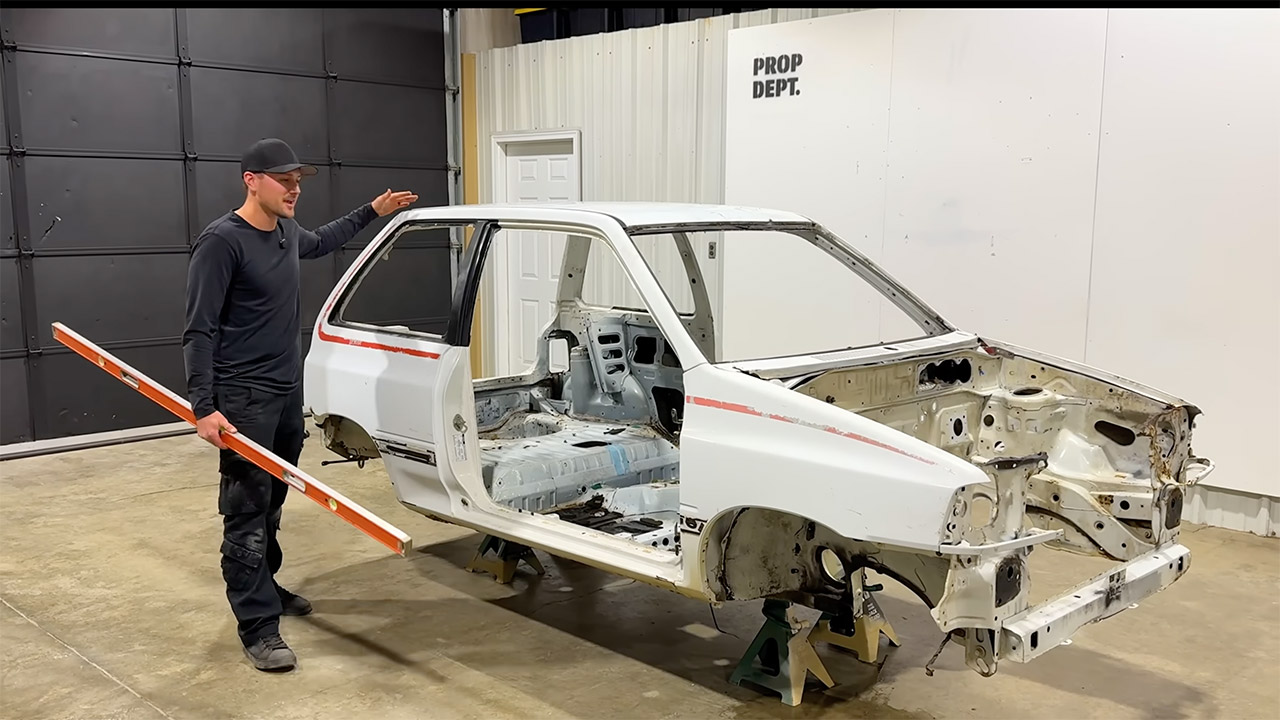
There was a lot of work to be done before they could make the first cut. The team had to clear room, strap the car down, and double-check all of their measurements to avoid making a single error that would ruin the entire operation. They started cutting once they were ready. All documents reveal that they had to do the project twice, meticulously reducing pieces to get the sides just the proper thickness without compromising the entire structure. That precision was critical since the final design needed to be able to sustain the engine, suspension, and wheels in their new, unusual places.
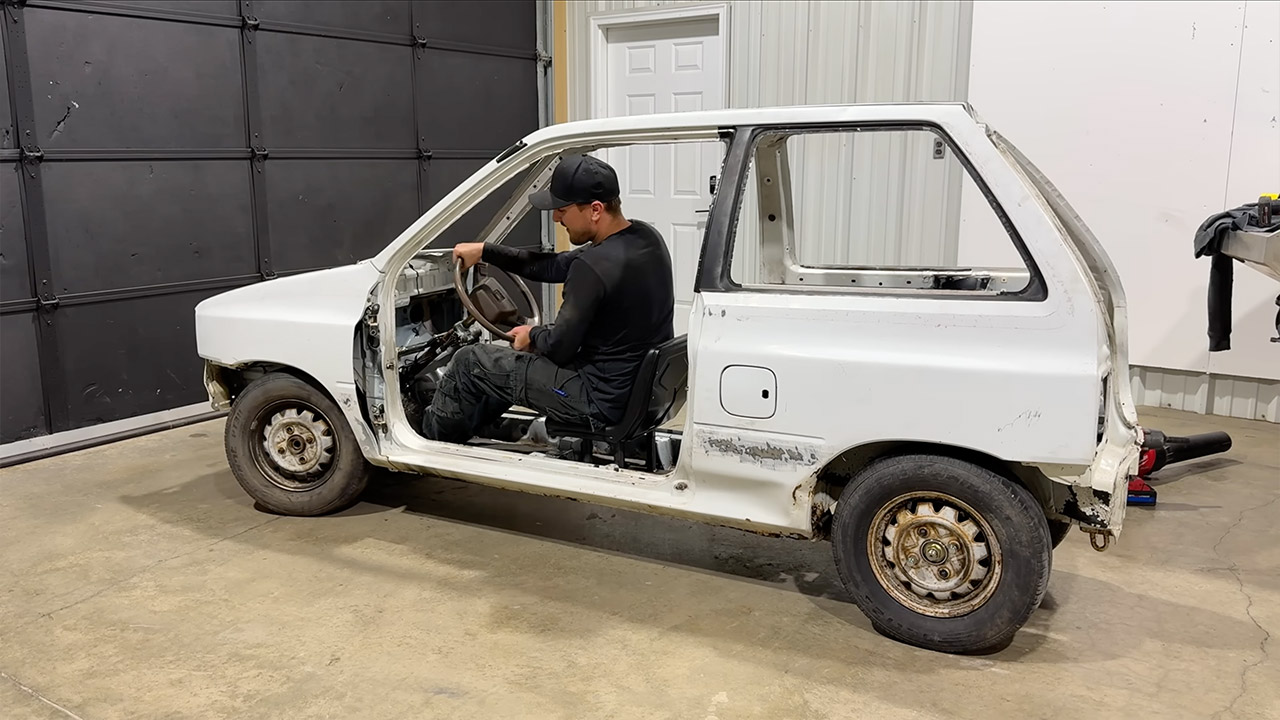
An xTool laser welder and CNC cutter handled the heavy cutting and shaping work, delivering clean edges and strong joints with a precision that would have been nearly impossible to achieve by hand. Every extra inch of width was removed without compromising the structural integrity of the body, and once the narrower shell was welded back together it was as solid as the day it left the factory. The seats, controls, and wiring were either kept in place or adjusted just enough to suit the new proportions, and the original drivetrain was left completely untouched, meaning the car drove away from the build under its own power.
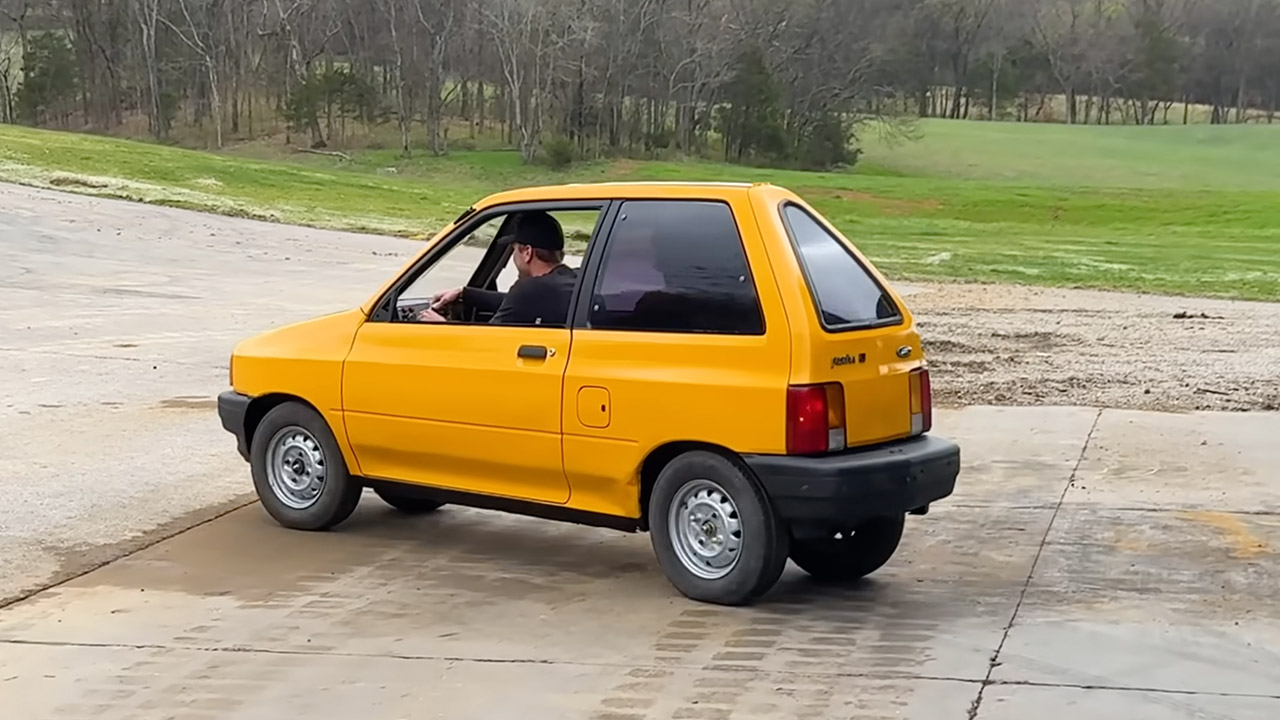
Then came the road test, and to everyone’s amazement, the car handles perfectly. It drives well enough for regular streets, navigating twists and stops without tipping over or feeling unstable. Drivers can maneuver it into small spaces that would bring a typical vehicle to a complete stop. Alleyways just big enough for a bike lane suddenly become accessible. Furthermore, the entire package remains registered and roadworthy, complete with lights and signals that meet all regulations.
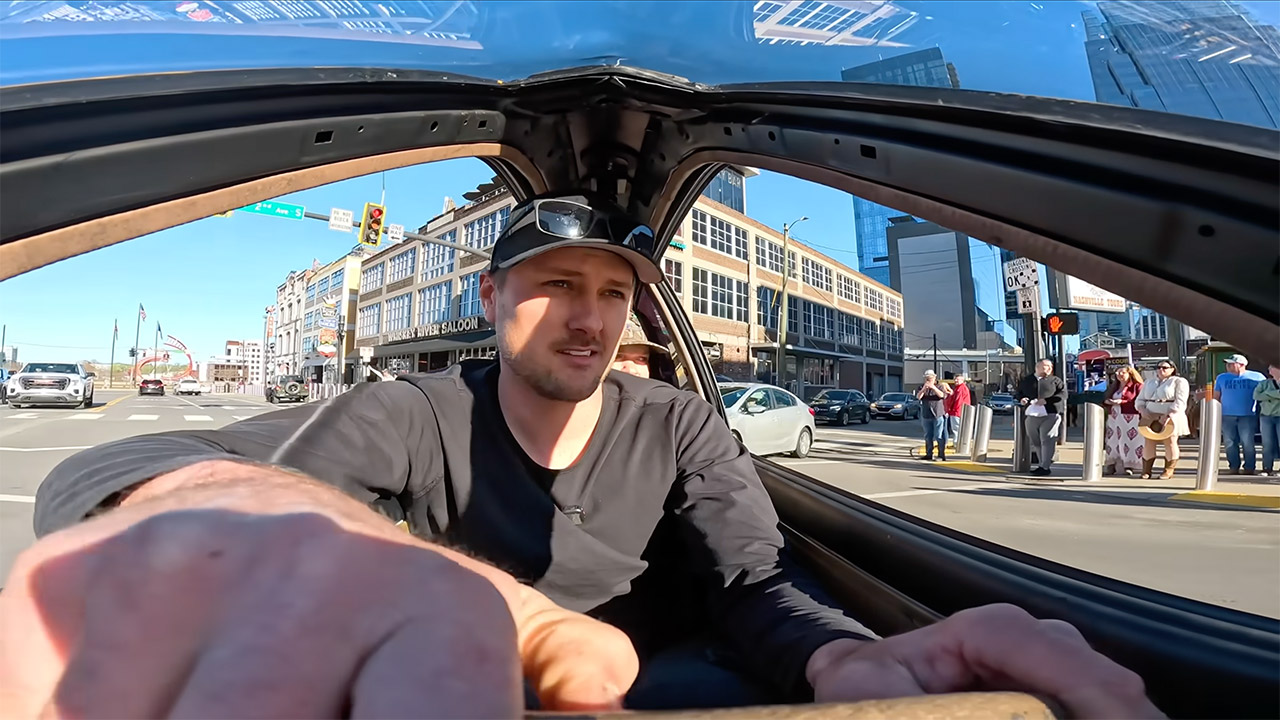
Of course, there are some practical limitations to all of this. As you might guess, with all of the removed sections, storage room has vanished, and passengers other than the driver are out of the question. Fuel economy and comfort? They’re exactly the same as the original tiny automobile, nothing extra. If cargo room or quick access for friends is important, this invention has you covered. For solo travels through busy neighborhoods or quick errands in the most congested urban areas, this gadget opens doors you never thought were possible.
