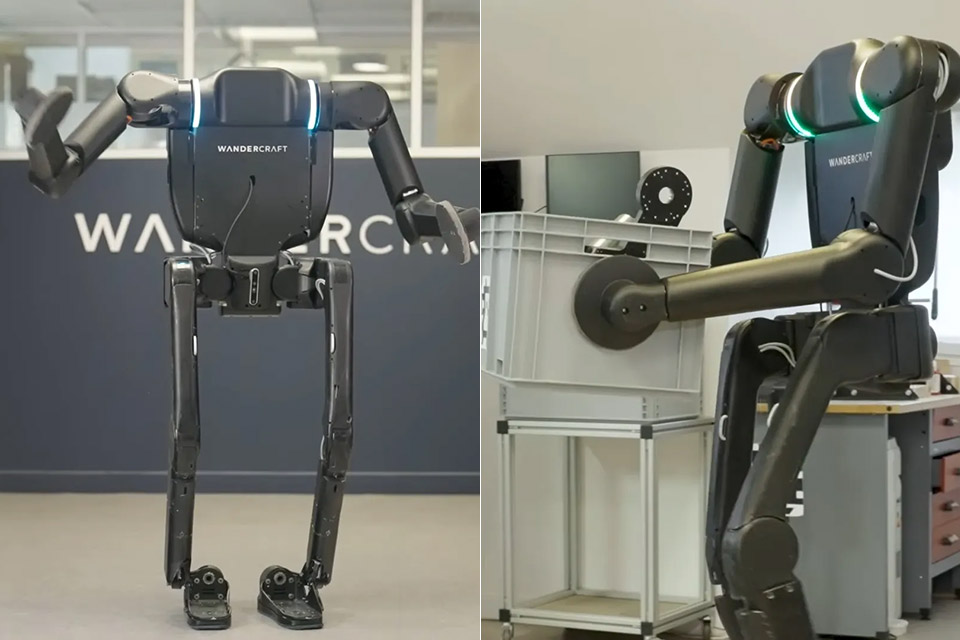
Two Calvin-40 robots have recently appeared on the Renault assembly line in Douai, France. They keep placing tires into the conveyor belt that feeds the Renault 5 electric assembly line because it’s a repetitive motion they can perform hundreds of times per shift without tiring.
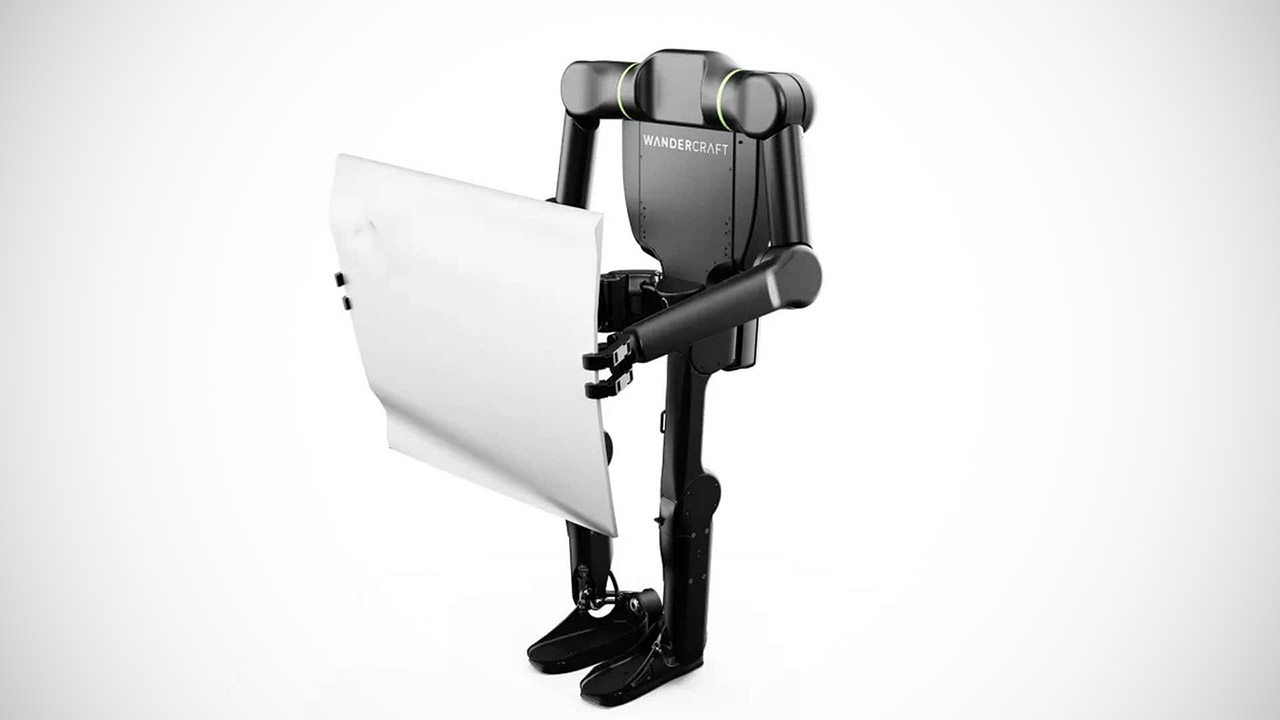
Over the next 18 months, the business plans to add more of these machines, totaling 350, to the ElectriCity complex. As it stands, they are already producing Renault 5 vehicles in less than 10 hours each car. With the new robots, they should be able to reduce that time even more while also lowering production costs across the board. Each of these devices stands on two legs and can reach the manufacturing bins and racks on the shelves, which a human would have to leap up and down to access. There’s a camera attached just below waist level to help it keep track of what it’s doing, and it flashes green, yellow, or red to let you know how it’s doing, and then there’s those circular arms that can lift up to 40kg with ease, allowing it to do things like hoist tires and body panels without the need for a hand.

Unitree G1 Humanoid Robot(No Secondary Development)
- Sleek & Durable Design: Standing at 132cm tall and weighing only approx. 35kg, the G1 is constructed with aerospace-grade aluminum alloy and carbon…
- High Flexibility & Safe Movement: Boasting 23 joint degrees of freedom (6 per leg, 5 per arm), it offers an extensive range of motion. For safety, it…
- Smart Interaction & Connectivity: Powered by an 8-core high-performance CPU and equipped with a depth camera and 3D LiDAR. It supports Wi-Fi 6 and…
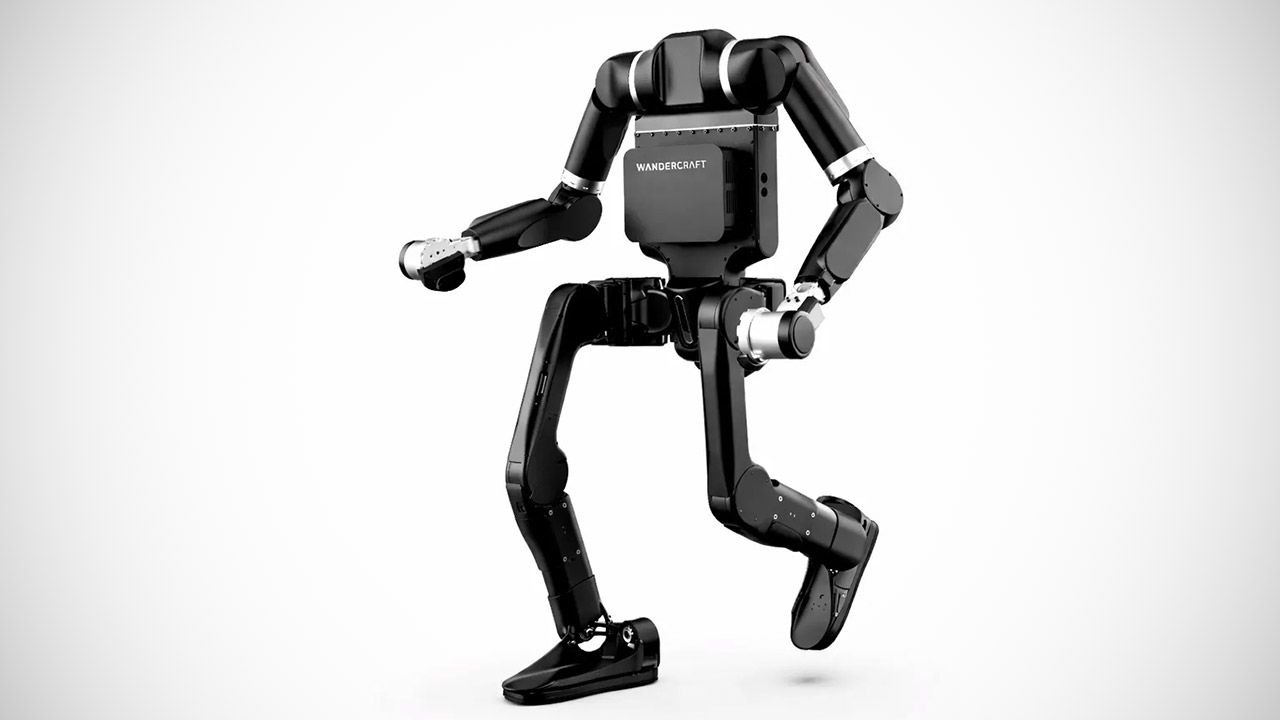
Wandercraft, the company that created the design, completed the current iteration of the robot in just 40 days. However, making it fast enough to be useful took a little longer, as it required six months of artificial intelligence training to operate at full speed. Renault purchased a minority investment in the company for $75 million in June, allowing them to modify these robots to be ideal for vehicle manufacturing.
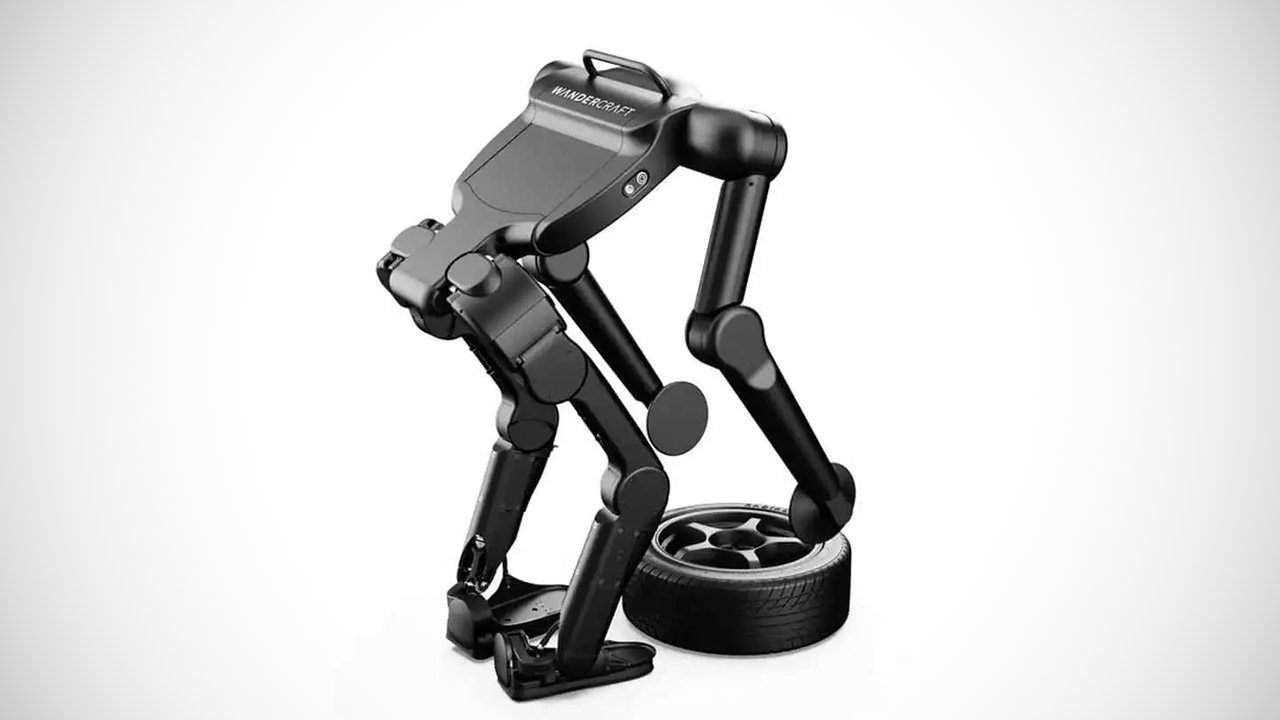
Workers used to have to do the same tedious tasks day after day. Now, sophisticated robots do it for them, lifting panels and tyres into place without making a sound. The final assembly sites remain off-limits because the machines are not fast enough to match the required speed. Their guy in charge of manufacturing and quality, Thierry Charvet, just wants to get the job done as quickly and efficiently as possible.
During the deployment, Renault’s CEO, François Provost, also spoke up. While other automakers display their fancy prototype robots in tech showrooms, Renault takes a very different approach. They simply want to have the thing up and running on the line right now, and they will be doing the same thing in factories around the country. The overall goal is to reduce the time it takes to construct a car by a third and lower expenses by 20% over the next five years. The new robots are just one aspect of it, making some of the most difficult and commonplace tasks much easier for those working on the line.
[Source]
