
Remember when gadgets were just… gadgets? A phone called people, and a laptop was a portable computer. Your smartwatch mostly just counted steps and made you feel guilty about them. I’m happy to report that the top tech trends 2026 show that devices have grown up in ways that feel almost… human. They don’t just wait for you to tell them what to do. In fact, they anticipate, suggest, and even nag you a little—when it’s in your best interests, of course.
In the US, the biggest shift in tech this year isn’t toward flashy specs or faster processors. It’s AI that lives on your device, health tech that tracks what matters, and hardware has a personality. It’s like some of these gadgets are actively watching out for you, which is a nice feeling.
Here’s my take on the top tech trends 2026, the gadgets that feel less like tools and more like friends who want you to thrive.
AI Wearables Evolve Into Helpful Companions
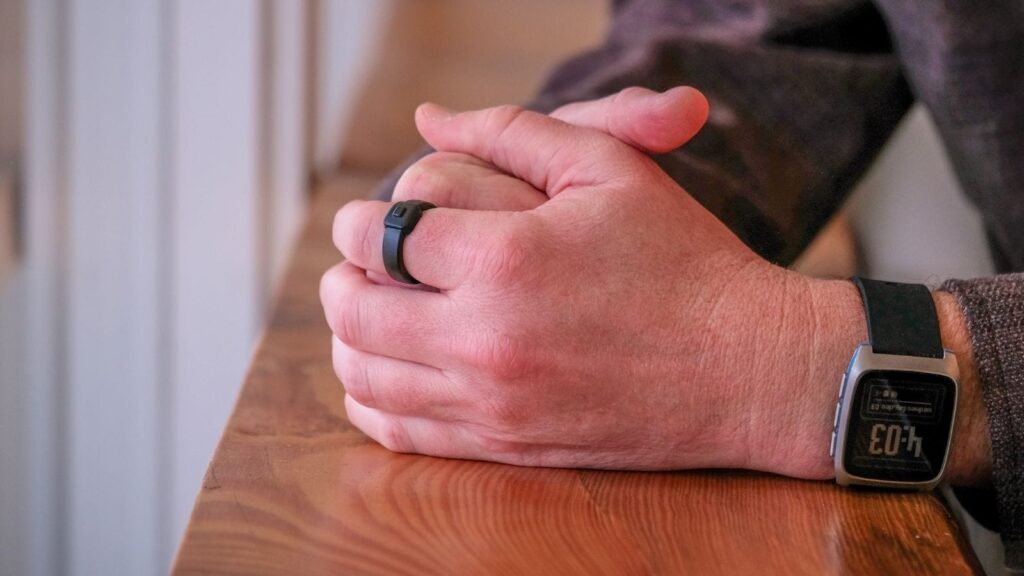
For the last decade, wearables were all about tracking: steps, heart rates, sleep scores. In 2026, those days feel quaint. At CES 2026, the big wearable conversation revolved around AI and how it can interpret and act on metrics. Devices like Pebble’s Index O1 smart ring and Switchbot’s AI Mindclip are early examples of the shift, working more like smart companions than simple trackers.
For example, the Index O1 is a ring-based recorder that captures notes, ideas, reminders—whatever you want to remember—and the AI automatically adds them to their appropriate location on your device. So a meeting reminder automatically goes to your calander, and “buy milk” ends up on your shopping list. It’s a pretty cool change, one that busy people everywhere can appreciate. Because, honestly, who has time to fiddle with a phone all day?
Creaseless Foldable & Tri‑Fold Displays
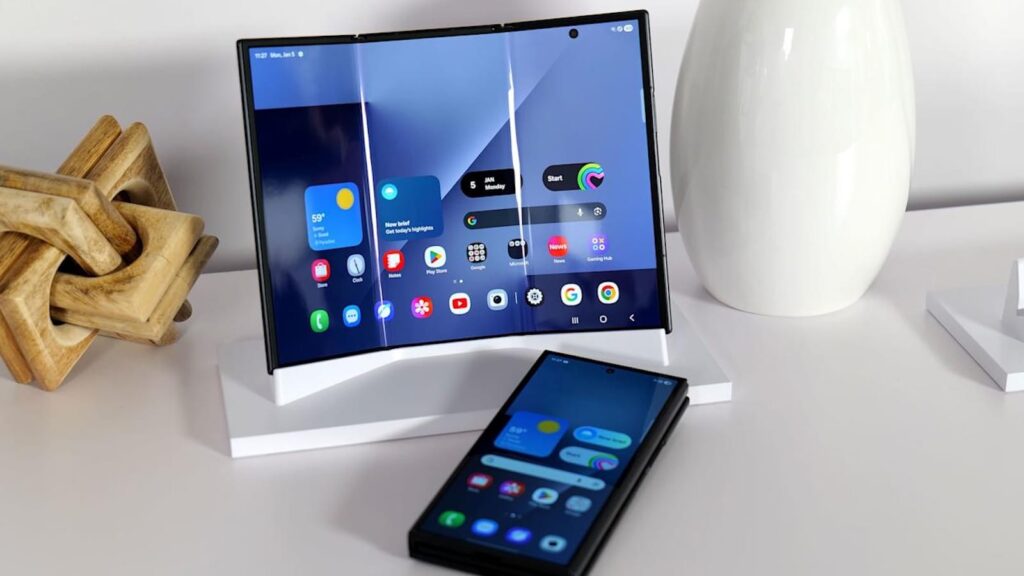
Foldable smartphones have been around for awhile, but that visible crease was always frustrating. In 2026, that barrier finally fell. CES coverage highlighted the Samsung Display, a creaseless foldable that flexed smoothly with no perceptible line and promised durability through hundreds of thousands of folds. Nice.
Following suit, 2026 tech trends include devices that fold into tablet‑sized screens, and even tri‑fold form factors like the Samsung Galaxy Z TriFold, which extends smartphone use into full tablet territory without breaking pocket‑friendly ergonomics.
The trend is important because it reimagines how we interact with screens. With flexible shapes, displays can shape themselves around your tasks. They become adaptive sidekicks that know what role you want them to play.
Longevity & Health Hubs Come Out of the Bathroom
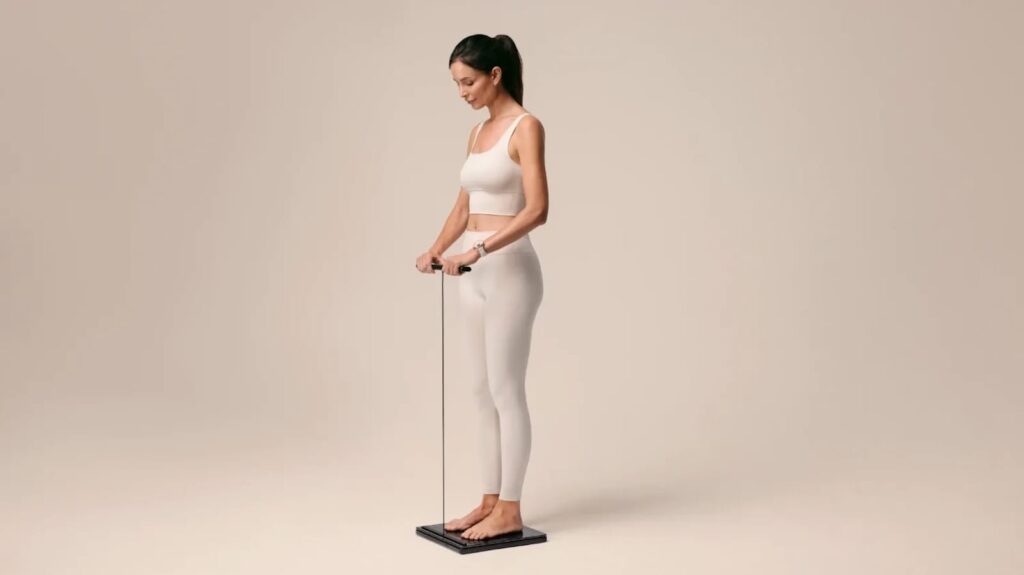
Health tracking used to be all about steps and heart rate. Now, we’re seeing technologies that use embedded sensors and AI to analyze vital signs, metabolism, and long‑term trends without wearables at all. They’re in products like like smart health mirrors and advanced biometric stations featured in CES roundups.
Withings Body Scan 2, for its part, is a bathroom scale that detects hypertension, diabetes, and heart failure with 3 AI-powered risk scores. Created for both patients and healthcare providers, it brings preventive and diagnostic healthcare into the home. Imagine being able to scan your risk for chronic illness, just by stepping on a scale each day.
Then, Baracoda’s AI toothbrush monitors your brushing sessions and its BConnect Hub collects data from the whole bathroom. Partnered with Colgate, the team links oral health to cardiovascular disease and diabetes. The toothbrush aims to help people see those early markers.
Smart Glasses Break Free of Phones
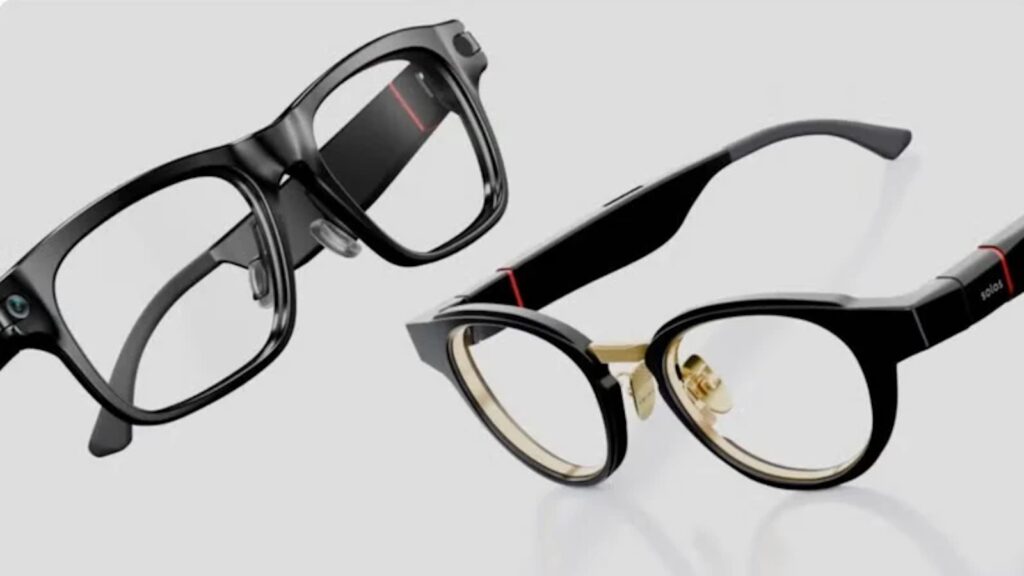
For years, smart glasses depended on phones or awkward designs to do what they promised. But in 2026, headsets and glasses are finally blending fashion, function, and independence. Models like the Solos AirGo V2 smart glasses were showcased for combining lightweight frames with real AI‑powered assistant capabilities, object recognition, translation, and hands‑free interaction.
This iteration makes them more like tools for the modern world. Whether you’re traveling abroad and need real‑time translation or multitasking at work, these glasses feel like a true extension of a cognitive workflow. In 2026, smart glasses finally act as a personal interface that stays with you, ready to help.
Home Robotics Moves Toward Practical Companionship
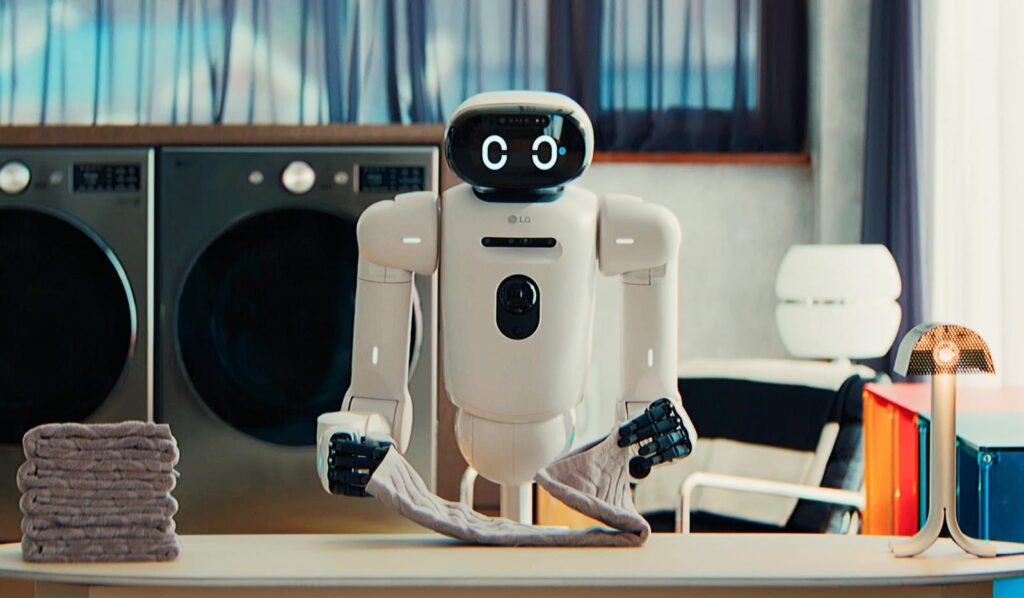
Our vision of a futuristic home always centered on robot help, but the technology never really caught up. In 2026, robotics is finally starting to do chores that matter. CES exhibitors included home robots with real dexterity and systems designed to assist with laundry, kitchen tasks, or elder care.
Some robots now incorporate LiDAR and advanced AI navigation systems that adapt to real household environments. And companies are explicitly designing them with ease of use and practical value in mind, rather than impressively complex specs that never ship.
A robot that knows how to sort and put away laundry (like CLOiD), run errands with integrated smart‑home systems (like SwitchBot onero H1), or assist mobility‑challenged users feels less like a gadget and more like a daily helper—the sort of companion that makes daily life easier.
Huge RGB & Adaptive TVs Create Unforgettable Movie Nights

TV tech in 2026 is all about presence. CES coverage and user reporting highlighted TVs using MicroLED and pixel‑level RGB systems that deliver colors and brightness at levels that put earlier generations to shame.
With screens routinely pushing 100 inches and beyond, computing power and AI upscaling are turning living rooms into screening rooms. Some systems even adapt content based on ambient lighting and viewer position. That makes each movie night feel personalized. A TV that feels like an extension of your senses (adapting visuals to your room and volume preferences) makes entertainment feel alive and tuned to your preferences.
LiDAR Lawn Robots Map Yards With Precision
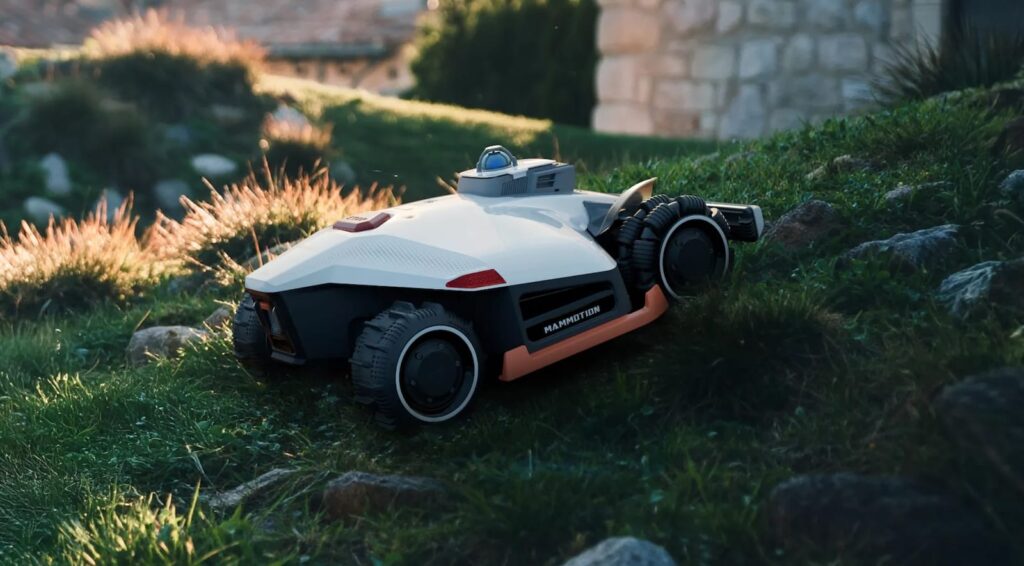
Early robot lawn mowers once relied on perimeter wires and simple obstacle avoidance. In 2026, LiDAR‑equipped mowers like the Mammotion LUBA 3 AWD use advanced sensing that rivals autonomous cars, mapping yards in 3D and making split‑second decisions about obstacles and terrain.
They’ve basically become autonomous, understanding your outdoor space and adapting as things change. That’s why it feels companionable. Your yard maintenance now happens without you even thinking about it. It’s like having a tiny landscaper at home, always on call.
Rollable Screens Turn Laptops Into Flexible Workstations
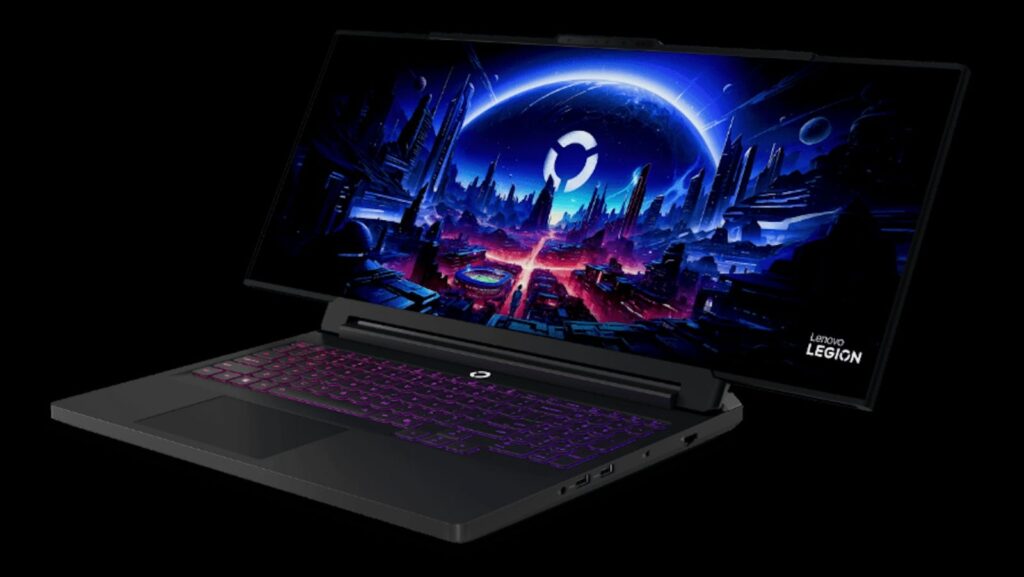
Another standout hardware trend from the broader industry is the rise of rollable display laptops. Instead of rigid screens, these can unroll to larger sizes on demand. It gives you the portability of a laptop and the screen real estate of a desktop, in one product.
So a gamer could expand the screen for immersive play, and a creator can pull it up for editing or display multiple panels. A professional can spread spreadsheets wide without lugging a separate monitor. Lenovo showed off its rollable gaming laptop at CES, creating different setups for different types of gaming.
A device that changes shape to match your needs feels like it’s listening, repositioning itself to match your flow instead of forcing you to adjust your schedule around it.
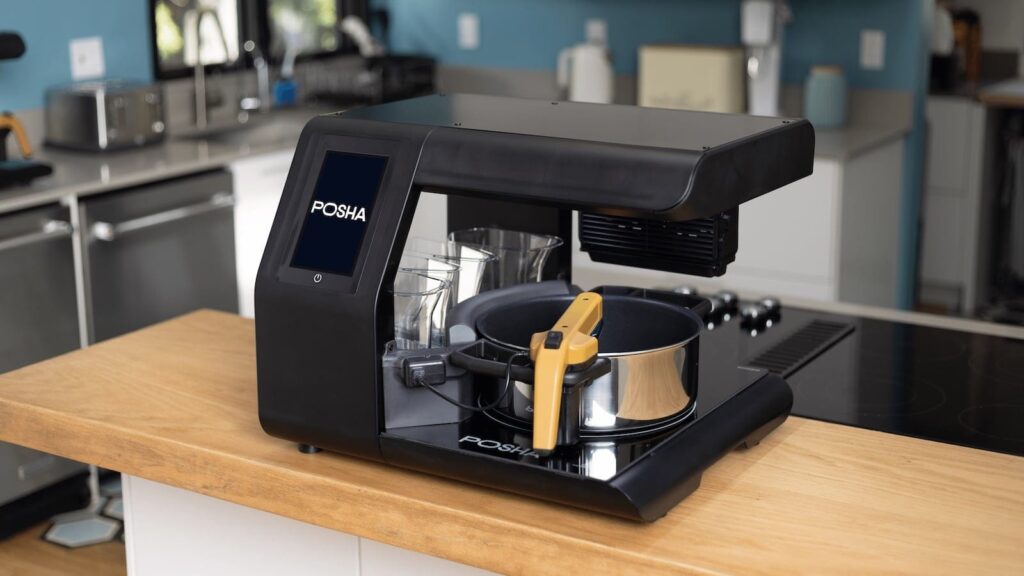
AI tech is also making waves in the kitchen. 2026 sees AI and sensor‑equipped tools that can interpret what you’re doing and advise you on the fly. Examples include ultrasonic knives that improve precision to smart ovens that detect food type and adjust cooking profiles. If you’ve ever wished for a seasoned chef to whisper guidance as you cook, this is pretty close.
AI-equipped cooking gadgets rethink how we interact with food preparation, helping us reduce waste, improve outcomes, and take the guesswork out of complex dishes. That’s a shift from “machines that help” to “tools that coach.”
Digital Detox & Retro Minimal Tech Break Through the Noise
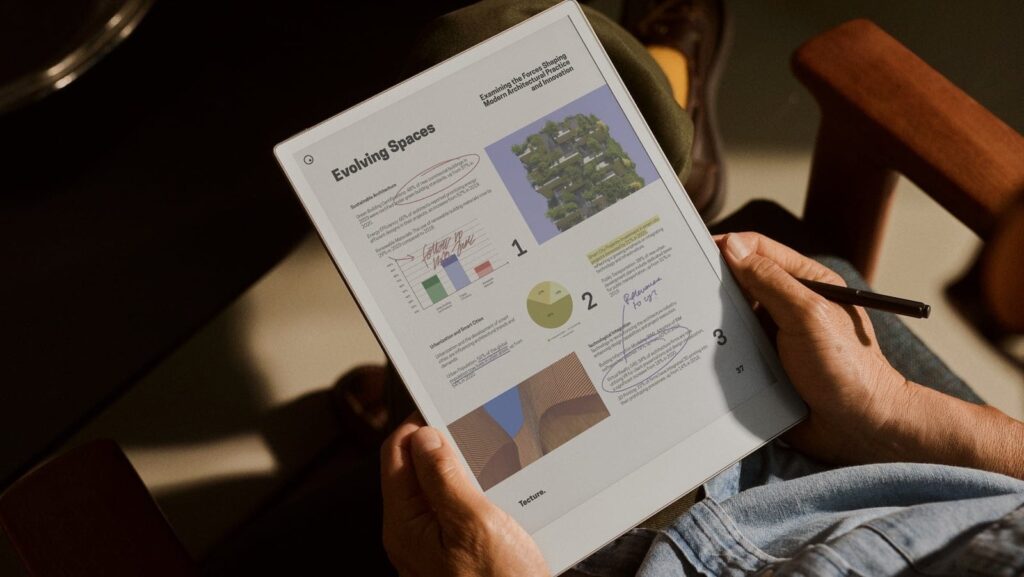
Not all 2026 tech is about more sensors and AI. There’s a definite trend toward minimalist, focus‑preserving devices: e‑paper readers for distraction‑free reading, notification‑only smartwatches that don’t pull you into attention traps, and physical keyboards that bring a tactile feel back to mobile typing.
It’s intentional design for mental clarity. With algorithms constantly vying for our attention, tech that limits interruption feels like a friend helping you guard your focus and priorities
Conclusion: Tech That Thinks With You, Not At You
Looking across these trends, I’m left feeling oddly hopeful. The last decade gave us a lot of remarkable tech, but much of it also added more to our to-do lists. My wireless printer that needs constant updates just to connect to Wi-Fi? I’m looking at you.
Instead of tech that constantly needs us to take care of it, the tech trending in 2026 is singing a different tune. It’s trying to take care of us…or at least meet us halfway. These devices engage, adapt, and occasionally nudge us in the right direction.
Sure, I can’t realistically imagine a future where we never have to maintain our tech. But this year’s batch seems to be making an honest effort to require less from us, not more. That feels like progress.
