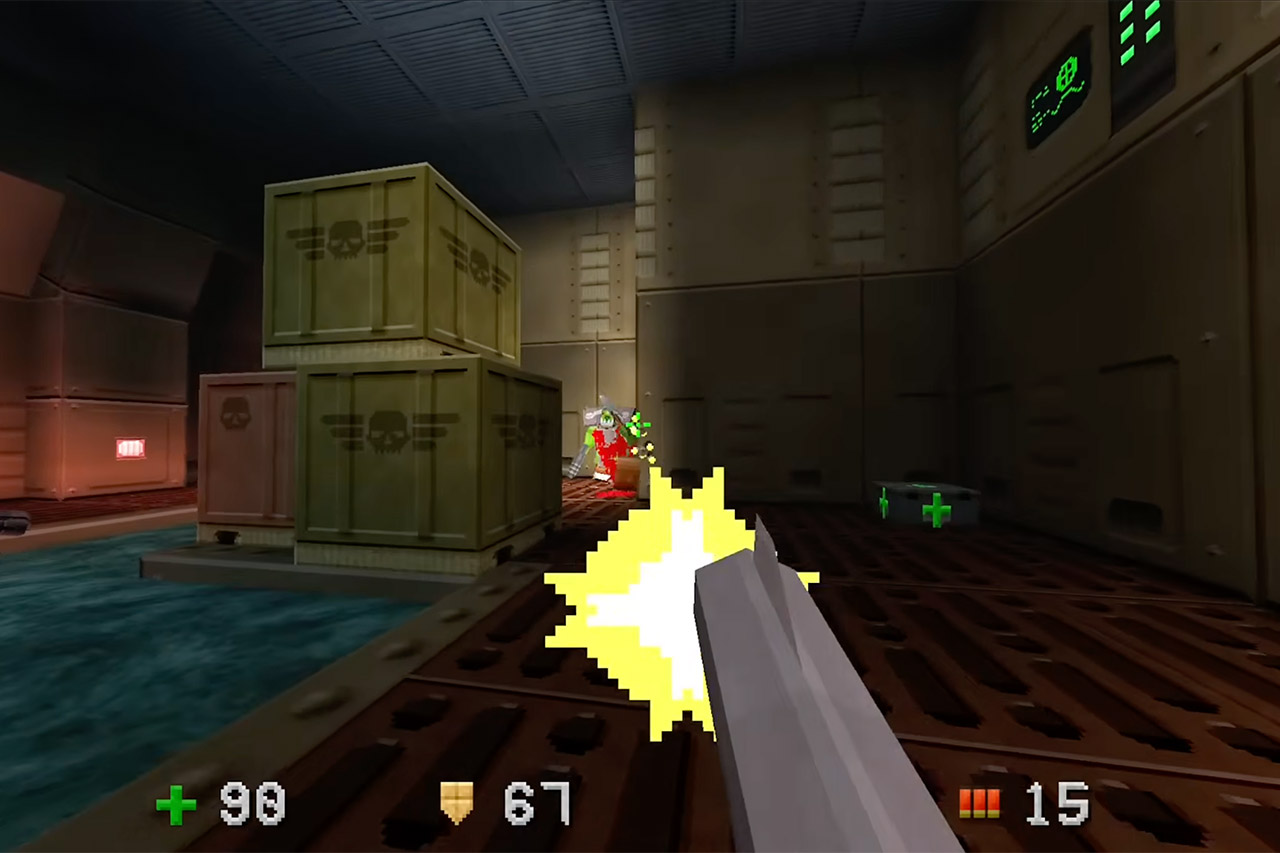
David spent years cramming the complete first-person shooter into a Windows file no larger than a floppy disk. QUOD is exactly 64KB in size, complete with three levels, four enemies, four weapons, a boss fight, doors that slide open /shut, platforms that rise up, switches to flip, some decent particle effects for explosions, blood splatter on the walls, hidden secrets, a wavy water surface, music that loops and loops, and a good number of sound effects.
The game revolves around obtaining power-ups, dashing down dimly lit passageways littered with grills and vents, and blasting low-poly monsters who growl and lunge at you. Combat necessitates quick dodges and precise shots. Enemies will pathfind around corners and respond to shadows, so there’s no need to worry about standing in a corner and having a swarm of them attack you at once. For weaponry, you can choose between a close-range axe and firearms that flash and roar when fired.

ASUS ROG Xbox Ally – 7” 1080p 120Hz Touchscreen Gaming Handheld, 3-month Xbox Game Pass Premium…
- XBOX EXPERIENCE BROUGHT TO LIFE BY ROG The Xbox gaming legacy meets ROG’s decades of premium hardware design in the ROG Xbox Ally. Boot straight into…
- XBOX GAME BAR INTEGRATION Launch Game Bar with a tap of the Xbox button or play your favorite titles natively from platforms like Xbox Game Pass…
- ALL YOUR GAMES, ALL YOUR PROGRESS Powered by Windows 11, the ROG Xbox Ally gives you access to your full library of PC games from Xbox and other game…
David created the entire thing from scratch, beginning with TrenchBroom, the level editor that fans have used in Quake mods for years, but then rewriting its output to meet his requirements. The method he keeps stuff on the walls is worth noting: he has a system for compressing faces by type, so floors are just simple quads and rotating surfaces packed together quite densely, with flags to aid alignment. He uses repeated arches and columns to reference one main shape before adding offsets and angles. There are no sophisticated BSP trees to worry with, simply plain geometry that is rendered very quickly. Lighting is generated by 250,000 precomputed probes, each of which fires 16 rays for a global glow and some excellent soft shadows, which are then mixed together in a pixel shader.
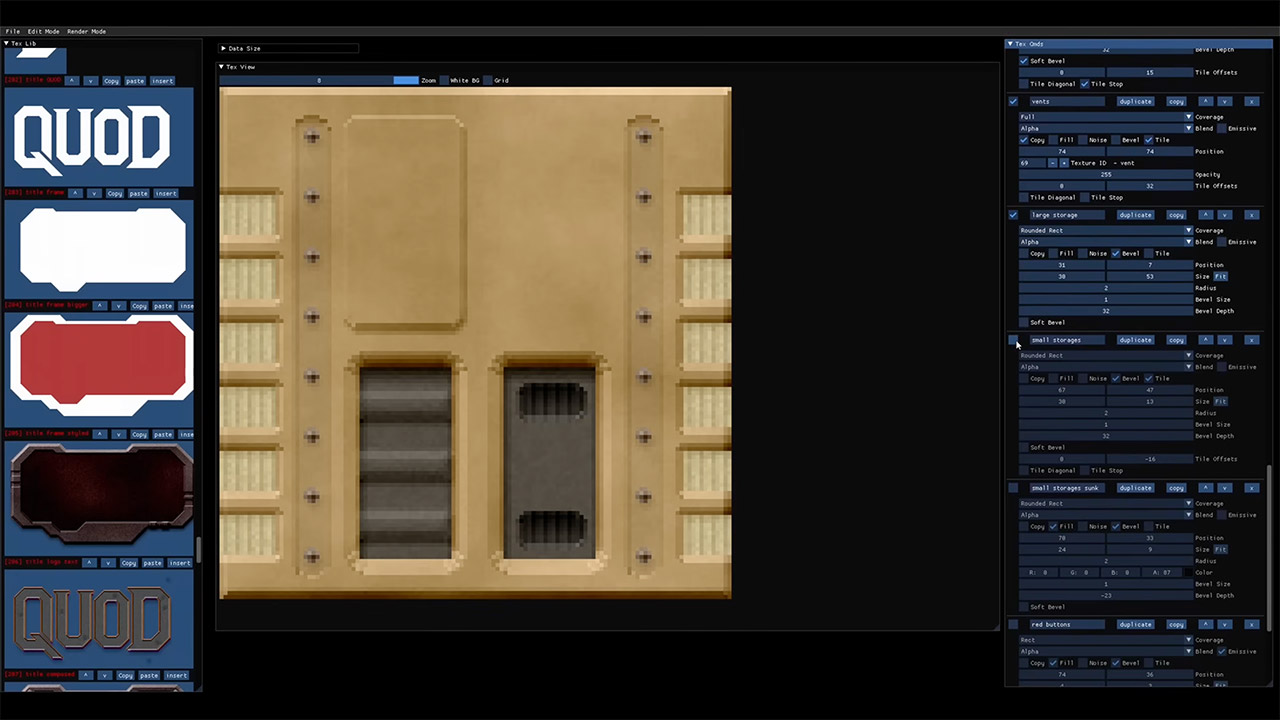
Textures are an exception to the standard pixel dump, as he has a custom editor that allows him to layer up effects: perhaps start with a base color, then add some noise to give it grit, bevel the edges to give it depth, tile across a panel, and blend in some emissive glows for monster eyes or lights. Who knows how he managed to condense one wall into 164 bytes as a series of steps, but there you go. The logo is compressed down to a 64×64 picture with various palette blocks and two bits per channel. Models export from Blender with mirror symmetry because the engine just flips them at runtime to reduce the vertex count. Each vertex is reduced to four bytes: seven bits for X and Y, then six for Z, plus some bone and UV data. Animations feature keyframe positions with global changes and bone twists.
Then there are the sounds, which blend square waves and sines with reverb, increasing gunshots, moans, and footfall. When an enemy is hit, they emit a pleasant “ouch” sound. The music is all run on a four-channel tracker, with 32 frames per bar, and he uses pitched effects as instruments, as well as volume fades for rhythm. The nicest part is that everything is included in the code as a byte array, so there are no files to load or disk access; simply launch the game and go!
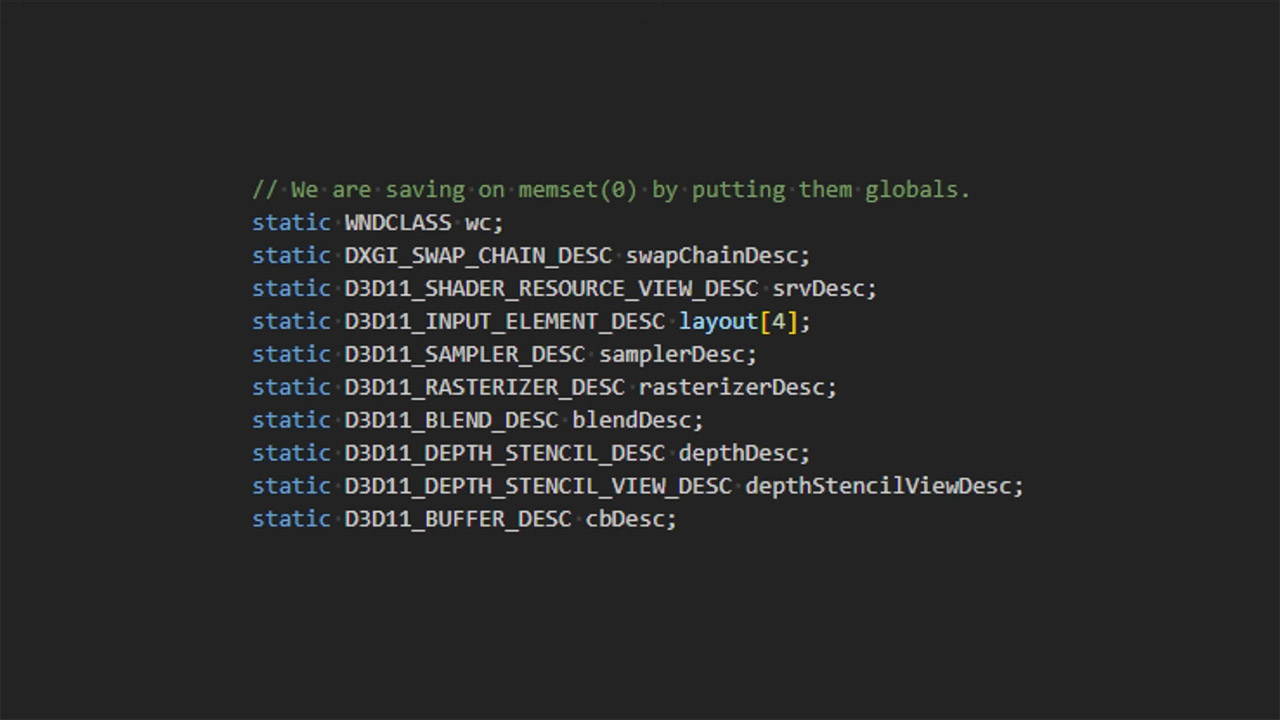
Code remains slim in C++ because compiler flags prioritize keeping things tiny and globals magically reset themselves. There are no inline functions, and shaders simply rename variables to single letters and convert everything to a macro, but what truly stands out is a bespoke virtual machine called QUOD-script, which handles all of the game logic. This bytecode is really thick; setting velocity to seven units? That’s only three bytes, compared to the 10 required in plain old C++. They even employed registers and a zero page to store globals, saving them a full 2KB. That’s enough to fit in a third level, and David measured every byte of it using Python programs on map exports.
To run successfully, QUOD requires a relatively modern PC with an i5, GTX 770 or better, and at least 8GB of RAM. Now, you’d think that with all that optimization, it’d be all about raw speed, but they’re really prioritizing keeping things tiny. That doesn’t mean it’s not quick; precomputed lights and embedded assets ensure that the framerate remains smooth.
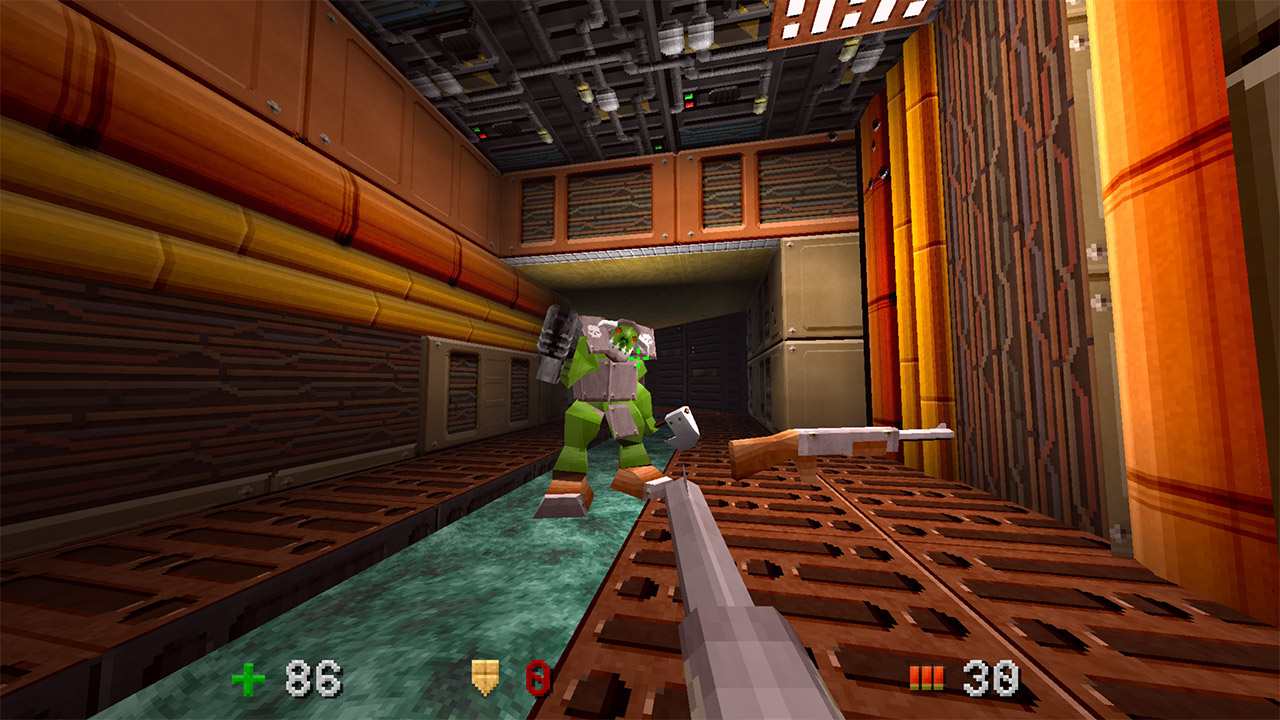
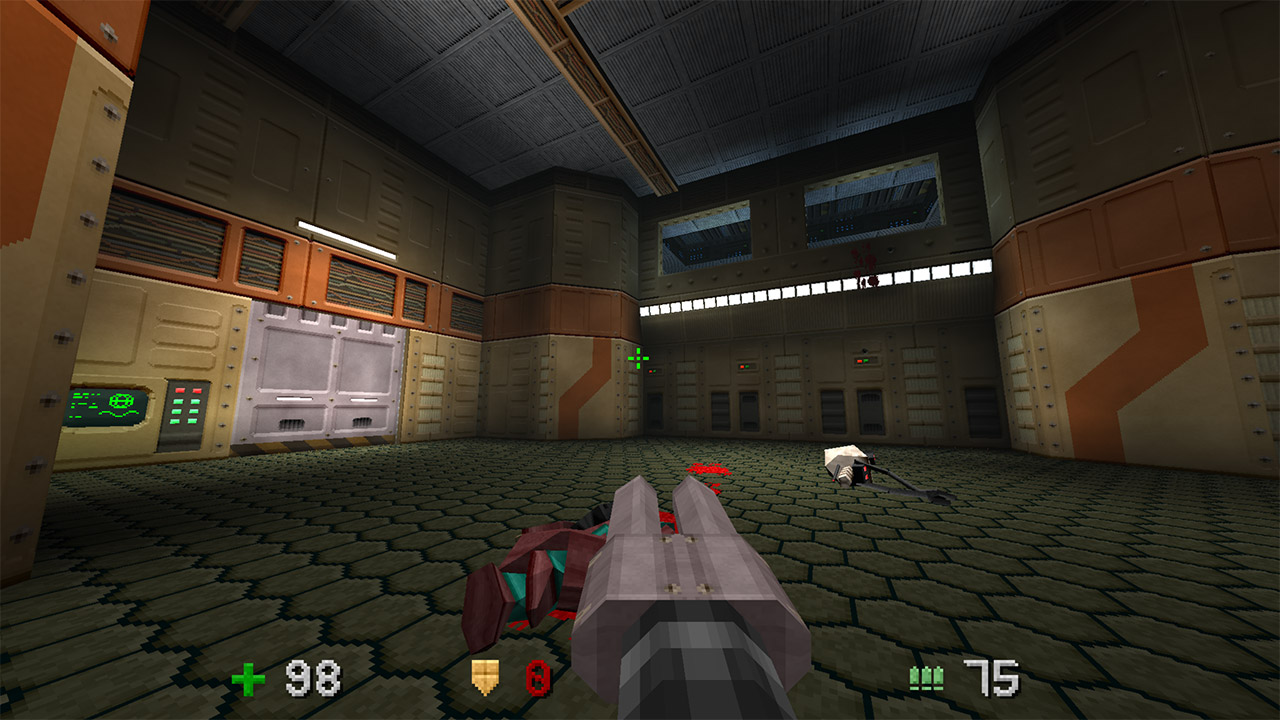
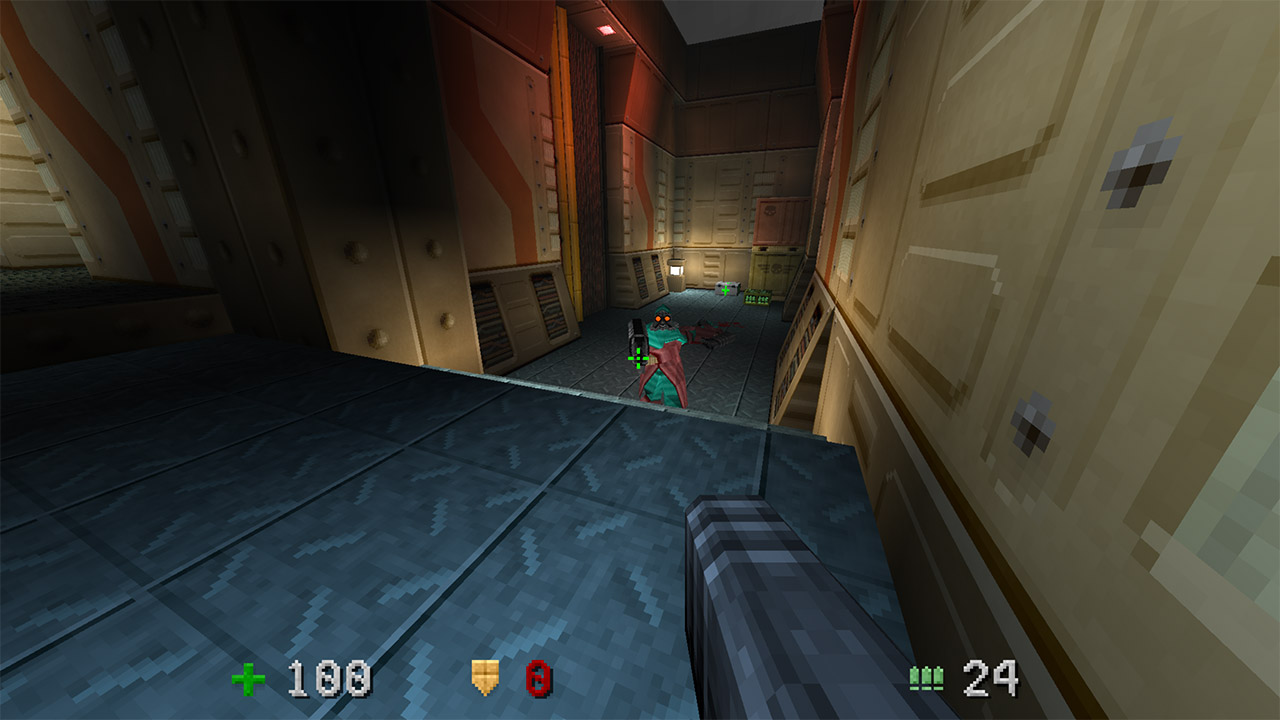
Want to see for yourself? Download the game from daivuk.itch.io/quod, where you can choose between the 64 KB and full 102 KB versions to see all of the inner workings. If you’re still not convinced, David has a 28-minute video that takes you through each process, from texture layers at 2 minutes to the VM at 21.
[Source]
