
I didn’t expect AI to start influencing gaming so soon, but here we are. As AI companies pour money into massive data centers, the ripple effects are reaching consumer hardware—and speculation around the PlayStation 6 release date.
According to reporting from Bloomberg, Sony is considering pushing its next PlayStation launch to 2028 or even 2029 due to tightening memory supply. That would break with Sony’s long-standing console cycle, which has typically delivered new hardware every six to seven years since the original PlayStation. The culprit isn’t competition or design ambition — it’s AI’s growing appetite for the same high-bandwidth memory modern consoles depend on.
In other words, consoles are now competing with AI servers in the chip supply chain. And when data centers are willing to pay a premium, gaming hardware doesn’t always win.
What This Means for the PlayStation 6 Release Date
The bigger issue here isn’t the possible delay, it’s why it’s happening. High-bandwidth memory (HBM) and advanced DRAM are now critical to AI servers, and demand has surged as companies race to build more powerful data centers. That same class of memory is also essential for modern gaming hardware. When supply tightens, manufacturers prioritize the customers willing to pay the most. Right now, that’s AI infrastructure.
According to reporting from Bloomberg, AI-driven memory demand is contributing to a broader chip crunch that’s rippling across consumer electronics. Coverage from PC Gamer details how this pressure could push Sony’s next console further out than expected. This isn’t speculation pulled from message boards — it’s a supply-chain shift being tracked at the industry level.
Switch 2 Price Increase Rumors Show a Larger Shortage
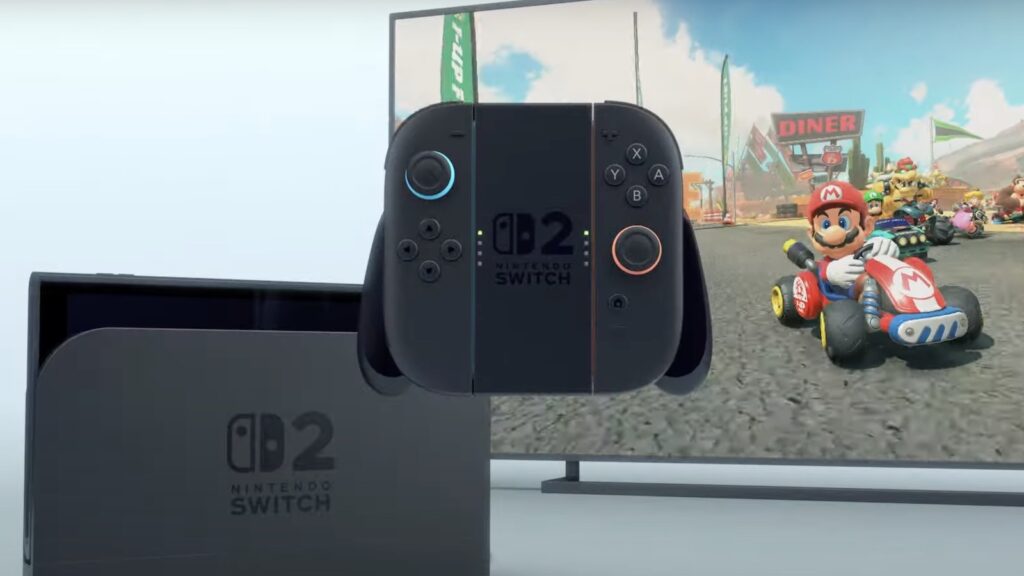
Of course, the pressure isn’t all on Sony. Reports suggest Nintendo could face pricing pressure on its Nintendo Switch 2 as memory costs climb. For now, there’s no confirmed number attached to a potential increase. But the implication is clear: tighter supply means higher component costs, which often trickles down to consumers.
That’s what makes this moment feel different from past console cycles. Since the original PlayStation era, Sony has followed a fairly reliable six-to-seven-year cadence. The PlayStation 5 launched in late 2020, putting the next generation squarely in the expected 2026–2027 window. A shift toward 2028 or 2029 would stretch that timeline in a way we haven’t seen before.
Gamers Feel the Impact
If the reports hold, the conversation around console releases isn’t really about creative strategy or competitive positioning anymore. It’s about who controls the hardware pipeline. AI companies are willing to outbid nearly everyone for cutting-edge memory, and that’s starting to hit gaming in very real ways.
It looks like longer console generations, higher prices, and fewer predictable upgrade cycles may become the norm rather than the exception under the AI memory shortage. For gamers, that’s an uncomfortable shift.
Lauren has been writing and editing since 2008. She loves working with text and helping writers find their voice. When she’s not typing away at her computer, she cooks and travels with her husband and two daughters.
