
Most drone comparisons start with specs. Here’s a better test.
Imagine you are already on the trip.
Which drone do you actually have with you?
That is why this comparison matters. Because the best drone is not the one with the prettiest spec sheet. It is the one you fly often, trust in tight spots, and feel confident launching even when the conditions are not perfect.
DJI Mini 4 Pro and Autel EVO Lite+ are both excellent. But they are built around two completely different definitions of better.
Mini 4 Pro is the low friction choice. Small, travel friendly, and designed to make flying feel easy and safe, with a workflow that fits modern creators.
EVO Lite+ is the image first choice. Bigger sensor, more manual control, and the kind of footage that holds together when the light gets moody and you care about the look.
So let’s compare them the way you actually use a drone, not the way brands list features.
The 30 Second Answer
If you only read one section, read this.
Choose DJI Mini 4 Pro if you want the drone you will actually fly
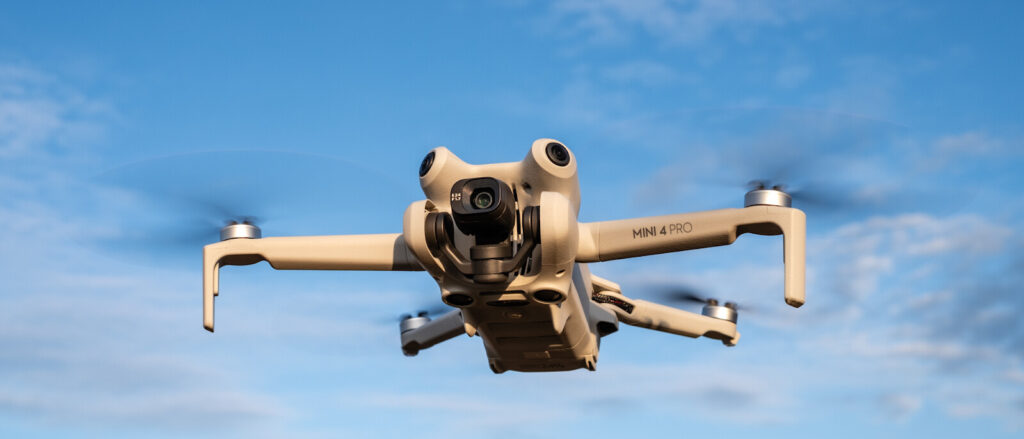
Image Credits: Space
This is the grab it and go option. It is tiny, light, and built for the kind of flying most people do in real life: travel, weekend shots, quick hikes, short windows of good light, and tight environments where you want the drone to help you avoid mistakes.
It also makes content creation easier, especially if you shoot for social and want true vertical video without compromises.
Choose Autel EVO Lite+ if you care most about the image, especially when light gets difficult
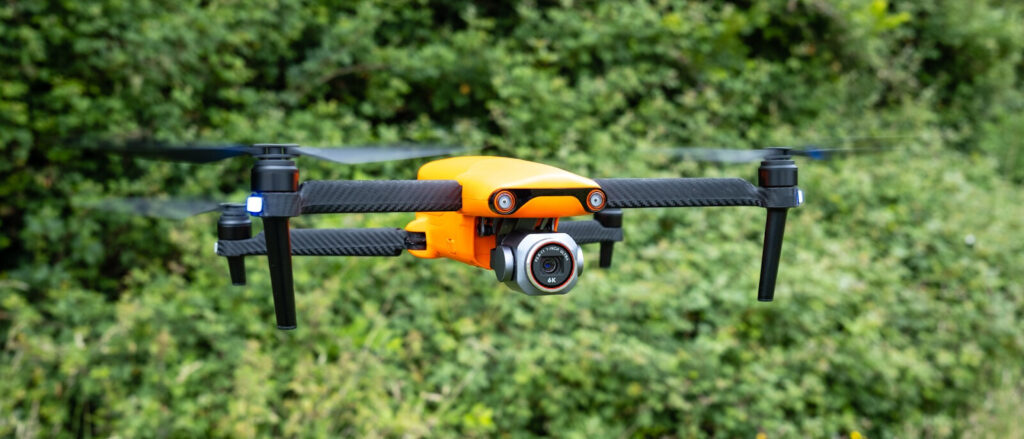
Image Credits: Space
This is the drone for people who chase sunsets, city lights, and moody scenes and want the footage to stay cleaner when the sun drops. The bigger sensor and variable aperture make it feel more like a flying camera than a flying gadget.
You will carry more, and you will think a bit more, but the payoff is that “richer” look when conditions are not perfect.
The simple winner logic
- If you want the best drone for most people, Mini 4 Pro wins because it is easier to bring and easier to trust, so it gets flown more.
If your goal is the cleanest image and you are willing to accept the bigger size and stricter flying reality, EVO Lite+ can be the better tool.
Camera and Footage Quality: Where “4K” Stops Meaning Anything
This is the moment where most drone comparisons become useless, because both of these drones can produce beautiful footage on a sunny day.
The real difference shows up when you push them a little.
When you shoot into a bright sky and want to keep clouds from blowing out.
When you fly past dark trees and want detail, not mush.
When golden hour turns into blue hour and your footage either stays clean or starts to fall apart.
When you need vertical content that still looks native, not cropped.
That is where Mini 4 Pro and EVO Lite+ reveal what they actually are.
Daylight Footage: Both Look Great, But They Look Great in Different Ways
DJI Mini 4 Pro in daylight feels modern and sharp. It has that crisp DJI look with strong stabilization, clean detail, and footage that is easy to share straight out of camera.
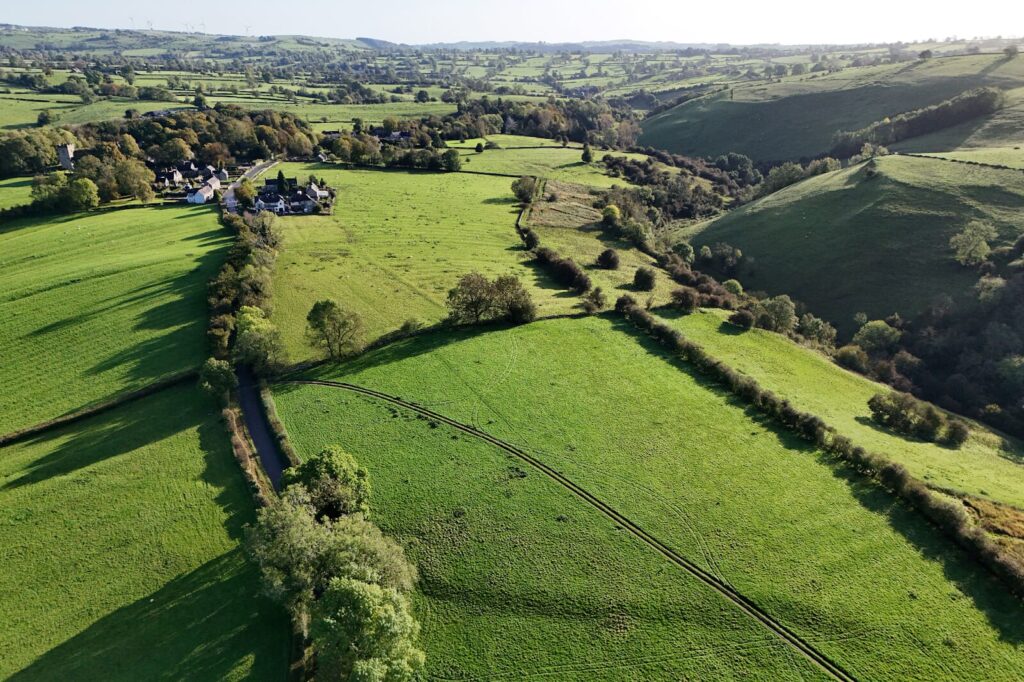
Image Credits: Amateur Photographer
Autel EVO Lite+ in daylight looks a bit more “camera-like.” Not necessarily sharper, but often more natural in how it handles highlights and shadows. The big advantage is that it gives you more control over exposure.
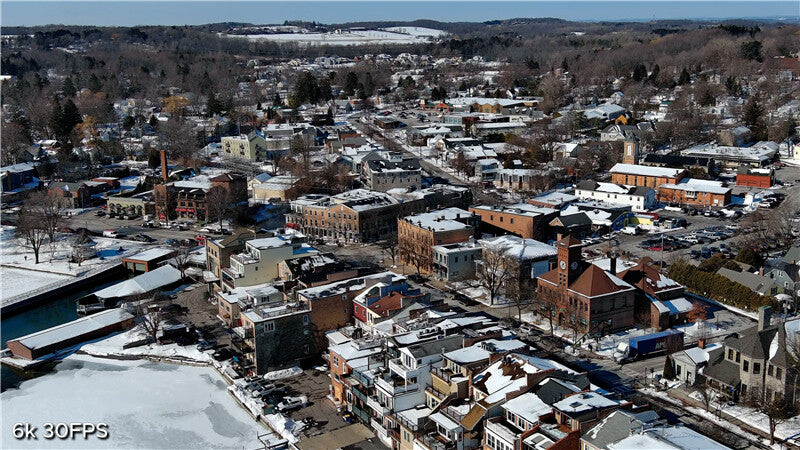
Image Credits: Autelpilot
If you mostly shoot in daylight, you will be happy with either. The decision depends on whether you want speed and consistency, or control and a slightly more cinematic vibe.
Color and Grading: How Much You Can Push the Footage Before It Breaks
If you edit your footage, not just post it, this part matters a lot.
Mini 4 Pro gives you more flexibility than its size suggests. It is built to be graded, so you can recover highlights, lift shadows, and match shots without the image turning into banding or weird color blocks. It is the kind of footage that stays stable when you start adjusting it.
EVO Lite+ also gives you a strong editing foundation and tends to reward careful shooting. If you expose well, the footage can look very rich. The difference is the feel: Mini often looks “ready fast,” while Lite+ feels like it wants you to take your time and craft the image.
A simple way to think about it:
- Mini 4 Pro is optimized for creators who want strong results quickly.
- EVO Lite+ is optimized for creators who want more manual control and a more cinematic finish.
Vertical Content: This Is Where Mini 4 Pro Separates Itself
If you shoot for TikTok, Reels, Shorts, or any vertical-first platform, Mini 4 Pro has a genuine advantage that changes how often you use it.
It can shoot true vertical video using a rotating gimbal, meaning you get native vertical framing without sacrificing as much resolution or composition. It feels like the drone was designed for how people actually publish content now.
With the EVO Lite+, you can still make vertical content, but it feels more like a workaround. You are either cropping in post or changing how you frame the shot. It is doable, but it is not as frictionless.
If vertical content is a core part of your output, Mini 4 Pro wins this category clearly.
Photos: Resolution vs Look
On paper, Mini 4 Pro often wins the numbers game with higher megapixels. But photo quality is not just megapixels.
Mini 4 Pro is great for travel photography, social, and clean aerial stills. It is sharp, punchy, and very easy to share.
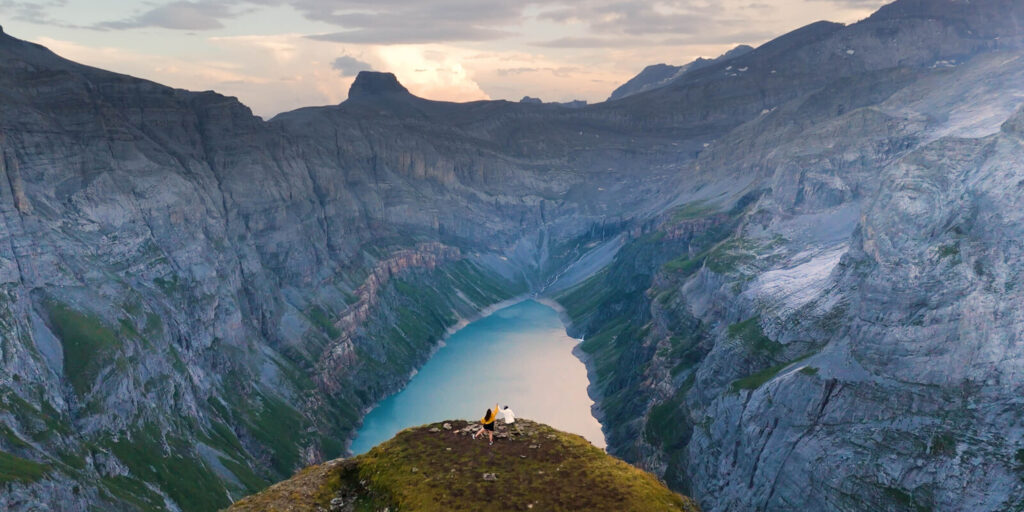
Image Credits: DJI
EVO Lite+ tends to win when lighting is complex. The 1 inch sensor and aperture control help it produce photos that feel cleaner, especially when the scene has both bright and dark areas. It is less about resolution and more about a richer, more controlled image.
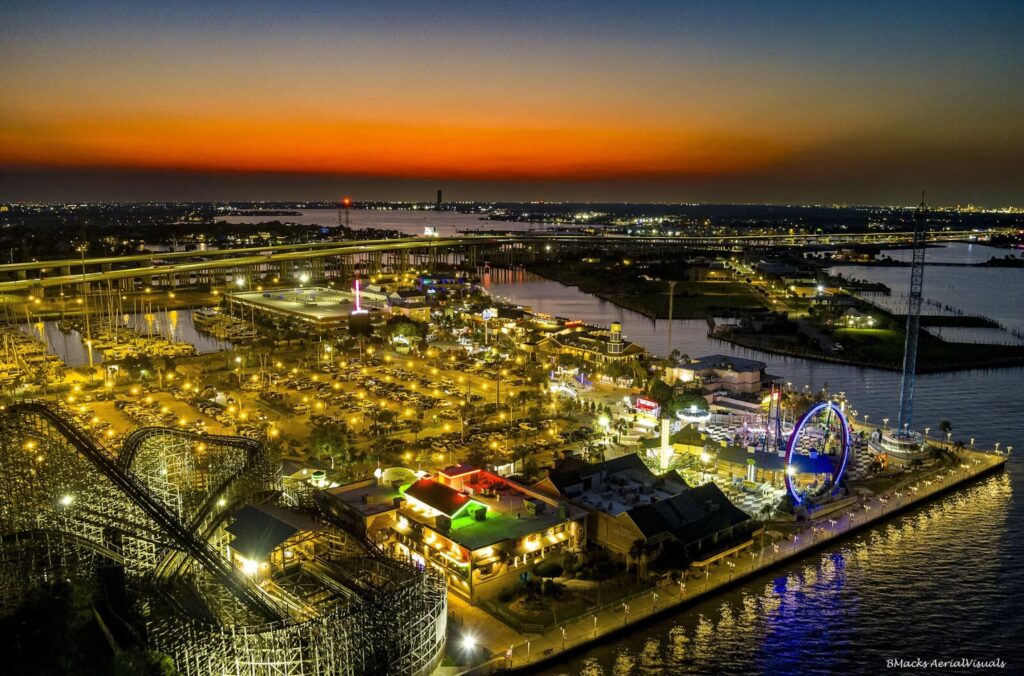
Image Credits: Facebook
If you mostly take drone photos in bright conditions, Mini is more than enough.
If you care about cleaner stills in tougher light, Lite+ starts to make more sense.
Low Light: This Is the Lite+ Advantage Zone
Here is the honest truth: the moment the light drops, sensor size matters.
At dusk, in city lights, in moody landscapes, the EVO Lite+ usually holds the image together better. You tend to get:
- less visible noise
- cleaner shadows
- a more composed look when the scene gets dark
Mini 4 Pro can still produce usable low light footage, and it is impressive for its size, but you will see the limits sooner. You might need more noise reduction in editing, and the image can start looking grainier when you push it.
So if your favorite shots happen at sunset or after it, Lite+ has the edge.
Next section is where the decision becomes emotional: flight confidence.
Because image quality is only half the story. The other half is whether you feel relaxed or tense while getting the shot.
Flight Confidence: The Difference Between “This Is Fun” and “Do Not Crash”
Camera quality is what sells you the dream. Flight confidence is what decides whether you actually take the dream out of the bag.
Because the first time you fly in a real location, something always happens.
A gust hits right as you line up the shot.
A branch sits just outside your peripheral vision.
You back up to widen the frame and realize there is more behind you than open sky.
This is where Mini 4 Pro and EVO Lite+ stop being “two good drones” and turn into two very different flying experiences.
Obstacle Avoidance: The Safety Net Gap Is Real
DJI Mini 4 Pro is the drone that tries to protect you from your own optimism. It has all direction obstacle sensing, so it is not just watching what is in front of it. It is watching the kind of obstacles that actually end drones, like side branches, poles, and the “I am reversing while looking at the screen” moment.
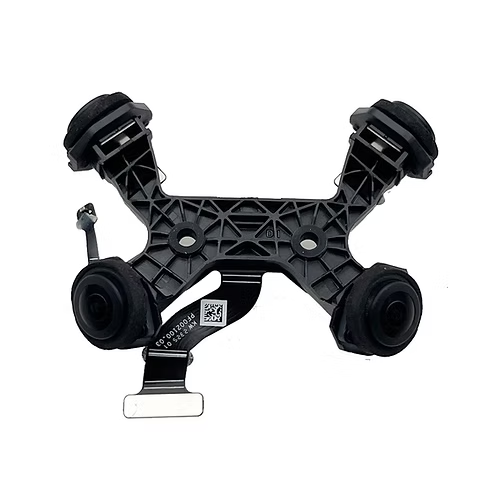
Image Credits: DJI
Autel EVO Lite+ has obstacle sensing too, but it is not the same type of safety net. It covers front, rear, and downward, which helps, but it leaves blind spots where the most annoying obstacles live, especially from the side and above. The result is simple: you can still fly confidently, but you will fly more deliberately. You will not rely on the drone to save you in tight spaces the same way.
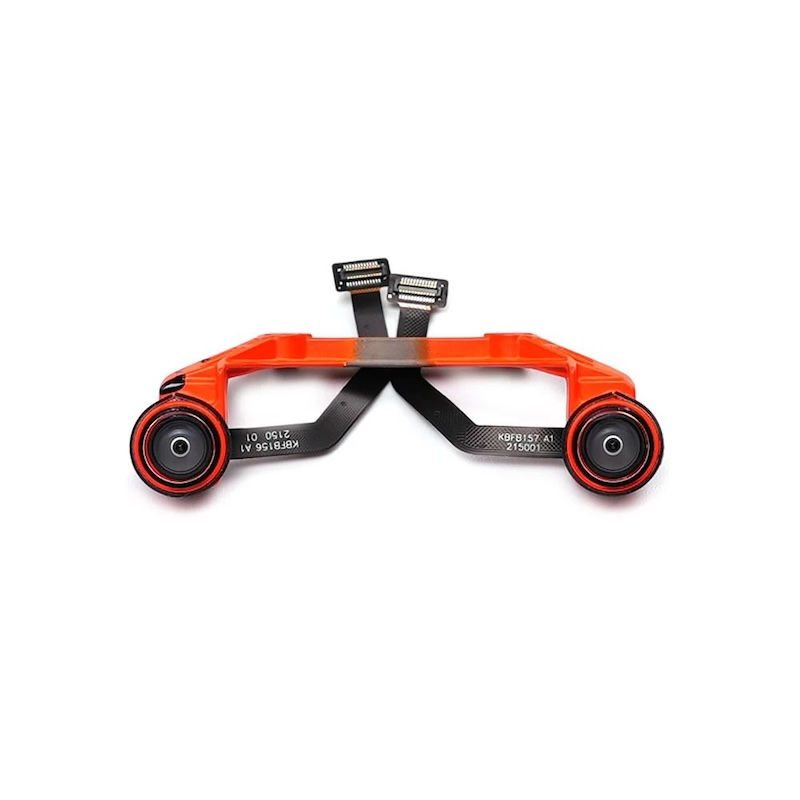
Image Credits: Maison du drone
Return to Home: Smart vs Basic
Return to Home is one of those features that feels boring until it saves your drone.
Mini 4 Pro’s Return to Home behavior is built around the idea that the world is messy. It uses its sensing system to find safer routes, not just a straight line back.
EVO Lite+ is more traditional. It climbs to a preset height and comes back in a straighter, more predictable way. That is fine in open areas. It is less comforting in complex ones.
If you fly in wide open spaces, you will not care.
If you fly in places with trees, cables, or buildings, you will care a lot.
Tracking and Quick Shots: Who Helps You Get the Shot
If you shoot people, vehicles, or anything that moves, tracking is where drones start to feel like a creative partner.
Mini 4 Pro is built for this. It has more advanced subject tracking behavior, and it is designed to keep framing stable while you focus on the moment. It is the drone that makes “follow me” shots feel practical, not stressful.
EVO Lite+ can track too, but it tends to feel more limited and more front facing. It can still get you great follow shots, but it asks more of the pilot. You will manage the flight more actively, especially when the subject changes direction or when obstacles enter the scene.
So if tracking is a core use case, Mini 4 Pro feels like the more reliable tool.
Wind and Stability: The Lite+ Feels Like It Has More Muscle
Here is where the EVO Lite+ flips the table.
It is heavier, and that weight is not just about regulations or carrying effort. In the air, it often translates to more stability in gusty conditions. When the wind picks up, the Lite+ tends to hold its position better and look more composed.
Mini 4 Pro is impressive for its size, but physics is physics. In stronger wind, it can drift more, and you will notice it sooner. It does not mean you cannot fly it. It means you will pick your moments more carefully, especially if you want that locked, cinematic feel.
So if you live somewhere windy, or you often shoot coastlines, cliffs, open fields, and mountain viewpoints, Lite+ earns real points here.
Signal and Range: What Matters in Real Life
Both are strong for typical use, and in normal line of sight flying you will likely be happy with either.
Mini 4 Pro has the edge on transmission capability and smooth live feed, which makes flying feel more confident at distance. EVO Lite+ is still solid, but its feed behavior is not always as “effortless” feeling.
The important reality check: in most places, you should be flying within line of sight anyway. So think of transmission less as “how far can it go” and more as “how stable does it feel while I am getting the shot.”
Travel and Ownership Reality: The Part That Decides What You Actually Fly
Here’s the truth nobody wants to admit when they are shopping for a drone.
Most drones do not fail because the camera is bad.
They fail because you did not bring them.
Because the real competition is not DJI vs Autel.
It is your drone vs your own friction.
And this is where Mini 4 Pro and EVO Lite+ feel like they were built on two different planets.
The Bag Test: Will You Actually Carry It?
DJI Mini 4 Pro wins the bag test in a way that is almost unfair. It is the kind of drone you toss into a small backpack next to a water bottle and forget it is there. That changes everything. You fly more. You take more “why not” shots. You bring it on trips where you would never bring a bigger drone.
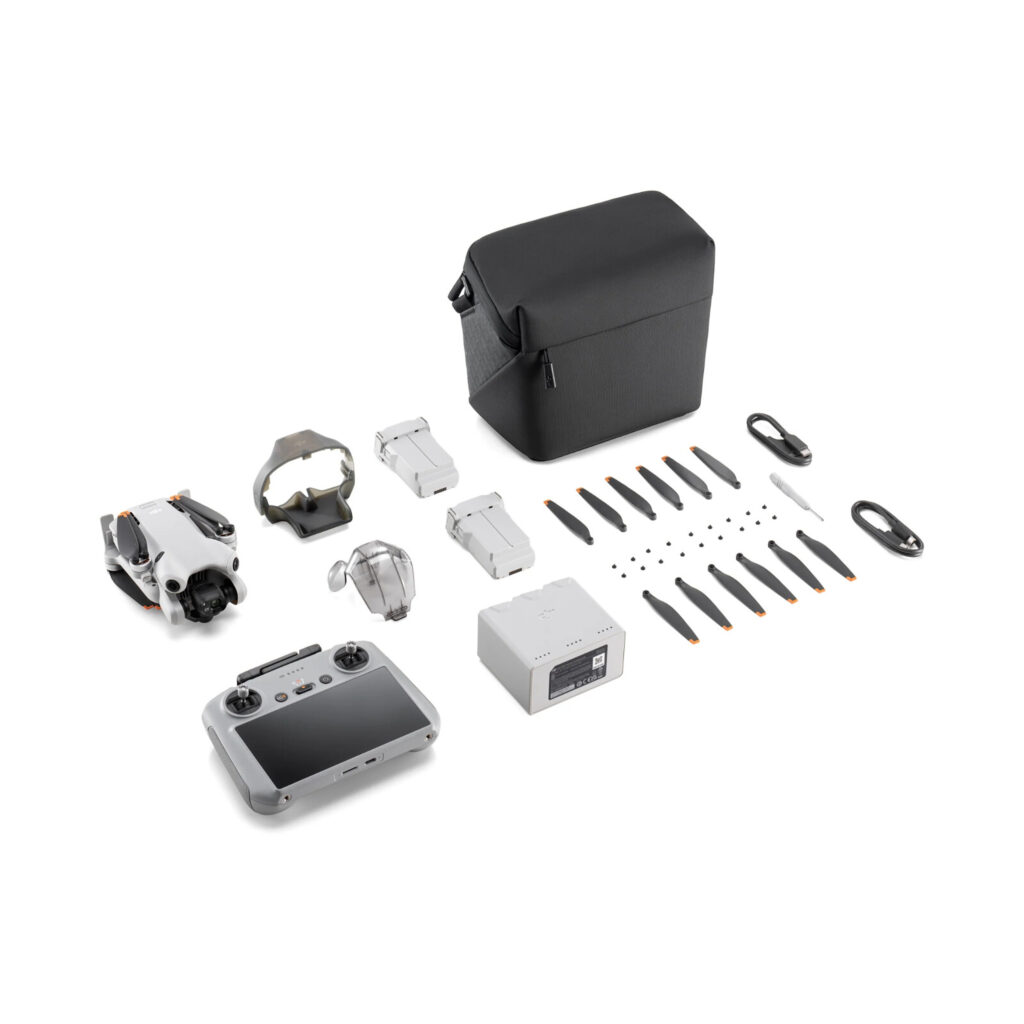
Image Credits: Florida drone supply
Autel EVO Lite+ is not ridiculous to carry, but it is a commitment. Bigger body, bigger presence, bigger “this is a drone trip” energy. You pack around it. You think about it. And that alone can reduce how often it leaves your home.
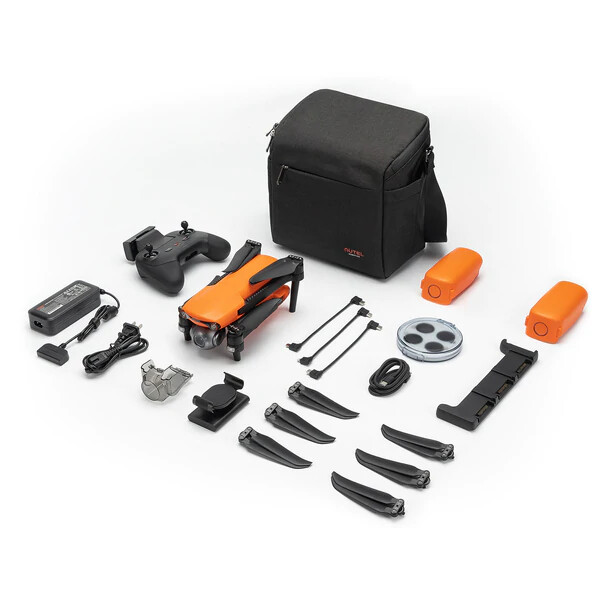
Image Credits: Audel drones
If your life includes spontaneous travel, quick hikes, and short windows of time, Mini has a huge advantage because it lowers the activation energy.
The Rules Reality: Stress Is a Cost Too
Weight class is not just a number. It changes how relaxed you feel.
A smaller drone tends to mean fewer headaches in more places. Less paperwork. Less second guessing. Less “am I allowed to fly this here” anxiety.
A heavier drone often comes with more responsibility. Not always a deal breaker, but it adds friction. And friction changes behavior.
If you travel a lot, or you want the easiest path to compliant flying, Mini 4 Pro fits that lifestyle better.
Battery Life: The Marketing Number vs Your Real Life
Both drones can deliver solid flight time, but they offer it differently.
Mini 4 Pro is built for frequent short flights. Quick launches, quick landings, quick battery swaps. It encourages that “one more shot” mindset because the whole system feels efficient.
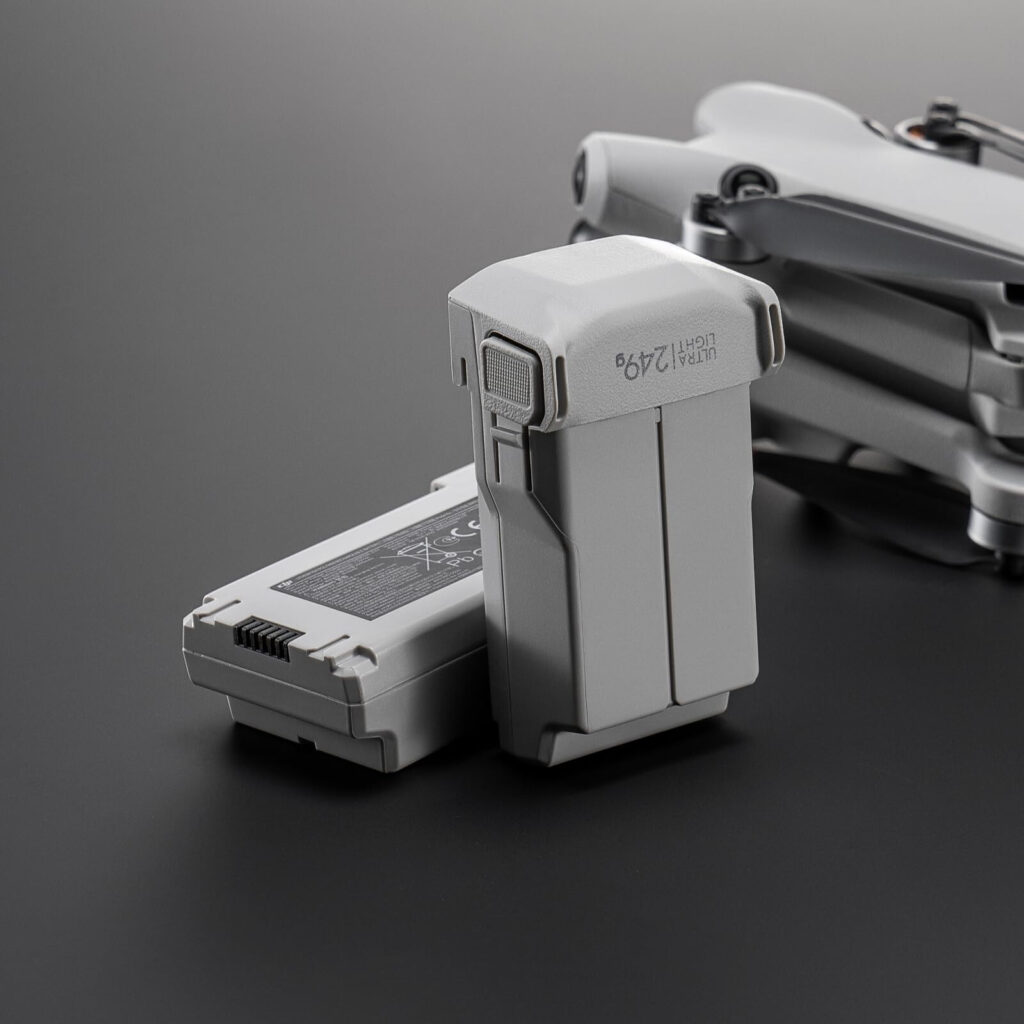
Image Credits: Amazon
EVO Lite+ often feels like the drone you fly in longer, more deliberate sessions. You take off with a plan, you capture the sequence, you land. It is not that it cannot do quick flights. It is that its whole vibe is more production, less spontaneity.
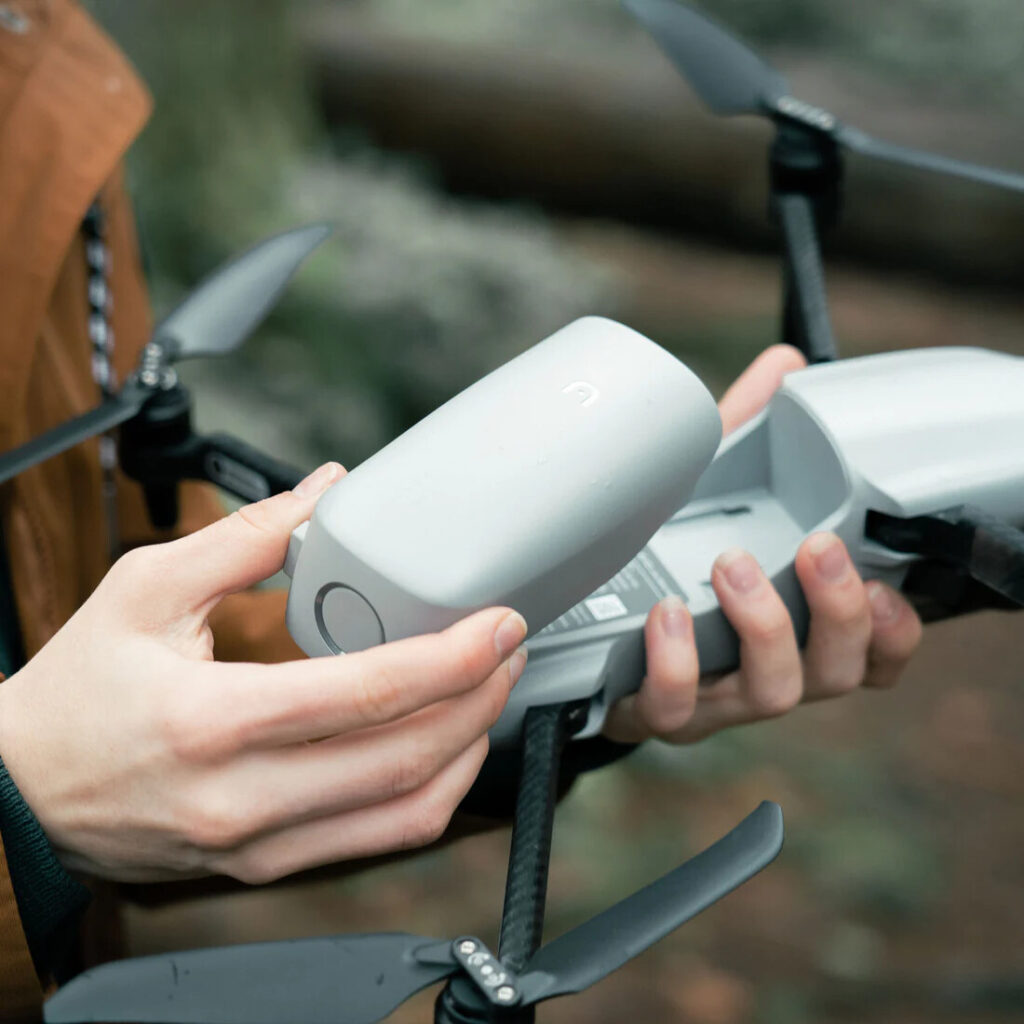
Image Credits: Autel Robotics
The more important point is this: in real use, battery life becomes less about minutes and more about how easy it is to live with charging, swapping, and carrying spares. If a drone makes you bring a bigger bag, you are less likely to bring extra batteries, and suddenly “longer flight time” matters less.
Controllers and Workflow: The “I Want to Fly Now” Factor
The best drone experience is the one that feels immediate.
Mini 4 Pro generally feels like the smoother everyday workflow, especially if you create content often and want fast setup, stable live view, and a system that encourages quick shooting.
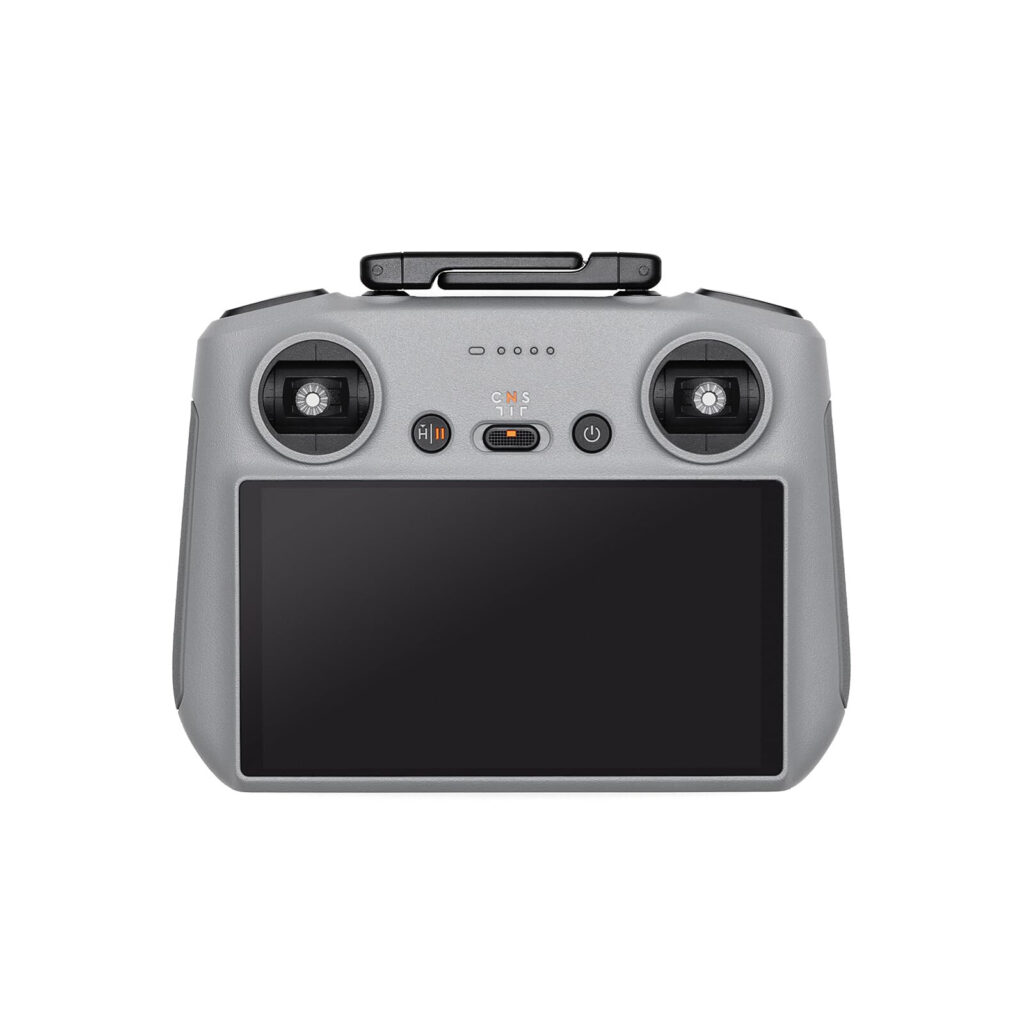
Image Credits: Amazon
EVO Lite+ can feel more like a traditional camera approach. More deliberate, more manual, more “set it up right, then shoot.” Some people love that. Others just want to pull the drone out and go.
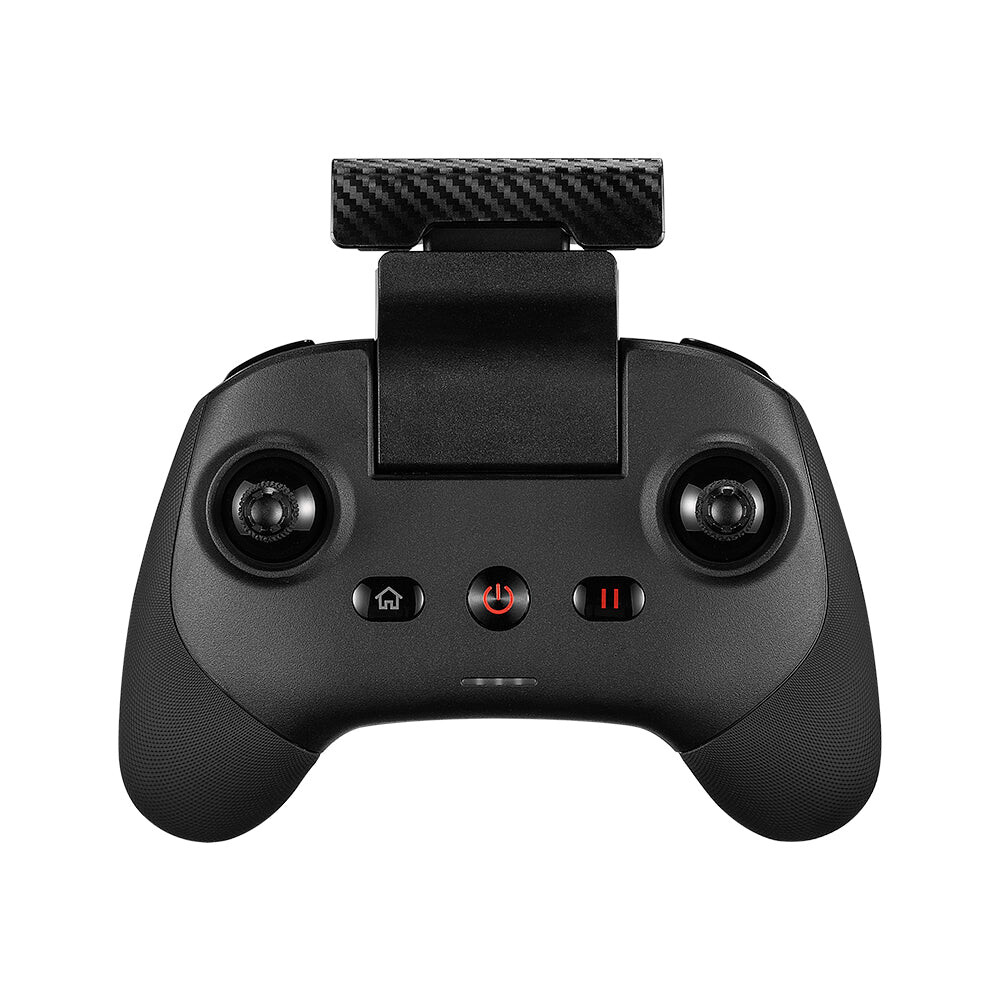
Image Credits: Autel Robotics
If you are the type who edits a lot and plans shots, Lite+ fits.
If you are the type who shoots often and wants speed, Mini fits.
Total Ownership: What You End Up Spending Beyond the Drone
Here is where people get surprised. The price of the drone is only the beginning.
Real ownership includes:
- extra batteries
- a charging hub
- a case that actually fits your life
- extra props
- ND filters if you care about cinematic motion
- maybe a bigger memory card than you thought
This is why “smaller drone” often turns into “cheaper to build a complete kit.” Not always, but often. You can create a travel ready Mini kit that stays compact. With Lite+, the kit tends to grow fast because everything around it is bigger.
Also, the hidden cost nobody calculates is this: if your drone is annoying to carry, you will fly less, which makes every accessory purchase feel less worth it.
Key characteristics at a glance
DJI Mini 4 Pro
- Price (USD): about $759 (standard kit with phone-based controller)
- Weight: about 249 g
- Folded size: 148 × 94 × 64 mm
- Camera: 1/1.3 inch sensor, up to 48 MP, fixed f/1.7
- Video: up to 4K 100 fps, plus True Vertical Shooting (native vertical framing)
- Color for editing: 10 bit profiles (good if you grade)
- Flight time: up to 34 min claimed (often 25 to 30 min real), up to 45 min with the larger battery (but it pushes weight higher)
- Obstacle sensing: all-direction sensing
- Wind rating: around 10.7 m/s (about 24 mph)
- Signal range: up to 20 km (FCC) on paper
Autel EVO Lite+
- Price (USD): about $1,149 (base kit)
- Weight: about 835 g
- Folded size: 210 × 123 × 95 mm
- Camera: 1 inch sensor, 20 MP, variable aperture f/2.8 to f/11
- Video: up to 5.4K 30 fps, and 4K 60 fps
- Color for editing: more limited (not the same 10 bit flexibility)
- Flight time: up to 40 min claimed (often 30 to 35 min real)
- Obstacle sensing: front, rear, and downward
- Wind rating: rated around Level 7, roughly 38 mph
- Signal range: up to 12 km (FCC) on paper
Disadvantages you should actually care about
At this level, neither drone is “bad.” The downsides are tradeoffs that only become obvious after real use. Here’s what to know before you choose.
DJI Mini 4 Pro: where it can disappoint
- Low light hits a ceiling sooner
- Wind is the reality check
- No variable aperture
- “Long battery” can change the rules
- DJI ecosystem friction
Autel EVO Lite+: where it can disappoint
- Heavier, bigger, and less “bring it everywhere”
- More regulation and attention
- Obstacle sensing is not all-direction
- Not built for vertical-first creators
- App and ecosystem can feel less polished
The simplest way to interpret these downsides
- Mini 4 Pro trades some low light and wind confidence for portability, safety coverage, and creator workflow.
- EVO Lite+ trades portability and “forgiving flying” for cleaner image potential and more camera-like control.
The Simple Recommendation
If you want the drone you will use the most, the one that fits into real life and makes flying feel easy, DJI Mini 4 Pro is the best pick for most people.
If your priority is the cleanest image and the most control, especially when light drops and you want a richer look, Autel EVO Lite+ is the better tool.
Final Verdict: Which One Should You Buy?
If you came here for a clean answer, here it is.
DJI Mini 4 Pro is the better drone for most people.
Autel EVO Lite+ is the better choice if your priority is the image, especially in low light.
Buy DJI Mini 4 Pro if you want:
- a travel friendly drone you will actually carry
- a safer, more forgiving flying experience
- an easier workflow for creators, especially vertical video
- a “grab it, launch, get the shot” experience
Buy Autel EVO Lite+ if you want:
- cleaner low light footage and richer shadows
- variable aperture control for more intentional exposure
- a more stable feel in wind
- a drone that rewards planned, cinematic shooting
The best way to decide is the same test we started with.
When the light is perfect and you only have ten minutes, do you want the drone that makes you fly more often, or the drone that makes the footage look better when the light gets hard?
Pick that answer, and you have your winner.
