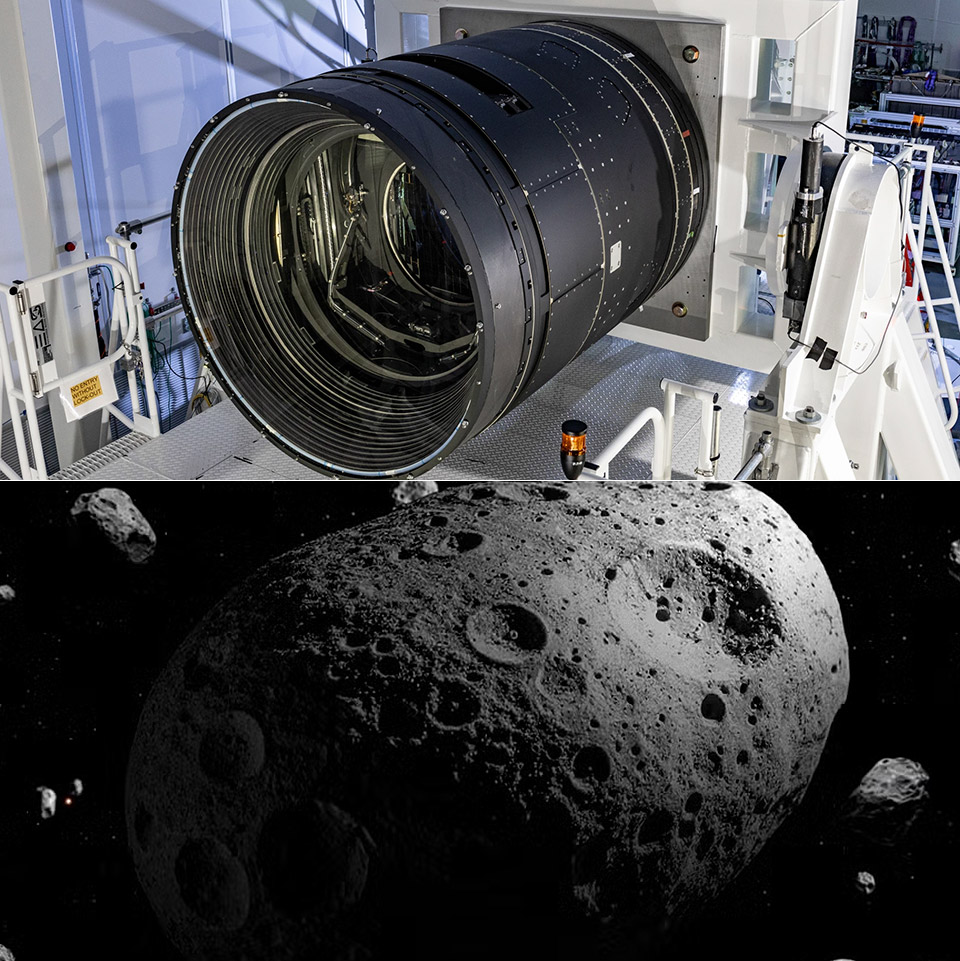
The Vera C Rubin Observatory has finally achieved a significant scientific breakthrough, due to the massive digital camera known as the LSST at its heart. Astronomers have discovered an asteroid called 2025 MN45 that stands out in a significant way: its rotation is simply incredible. To give you an idea of how big this object is, it measures approximately 710 meters across. That’s approximately the length of eight full-size American football fields stacked end to end, and it spins once every 1.88 minutes.
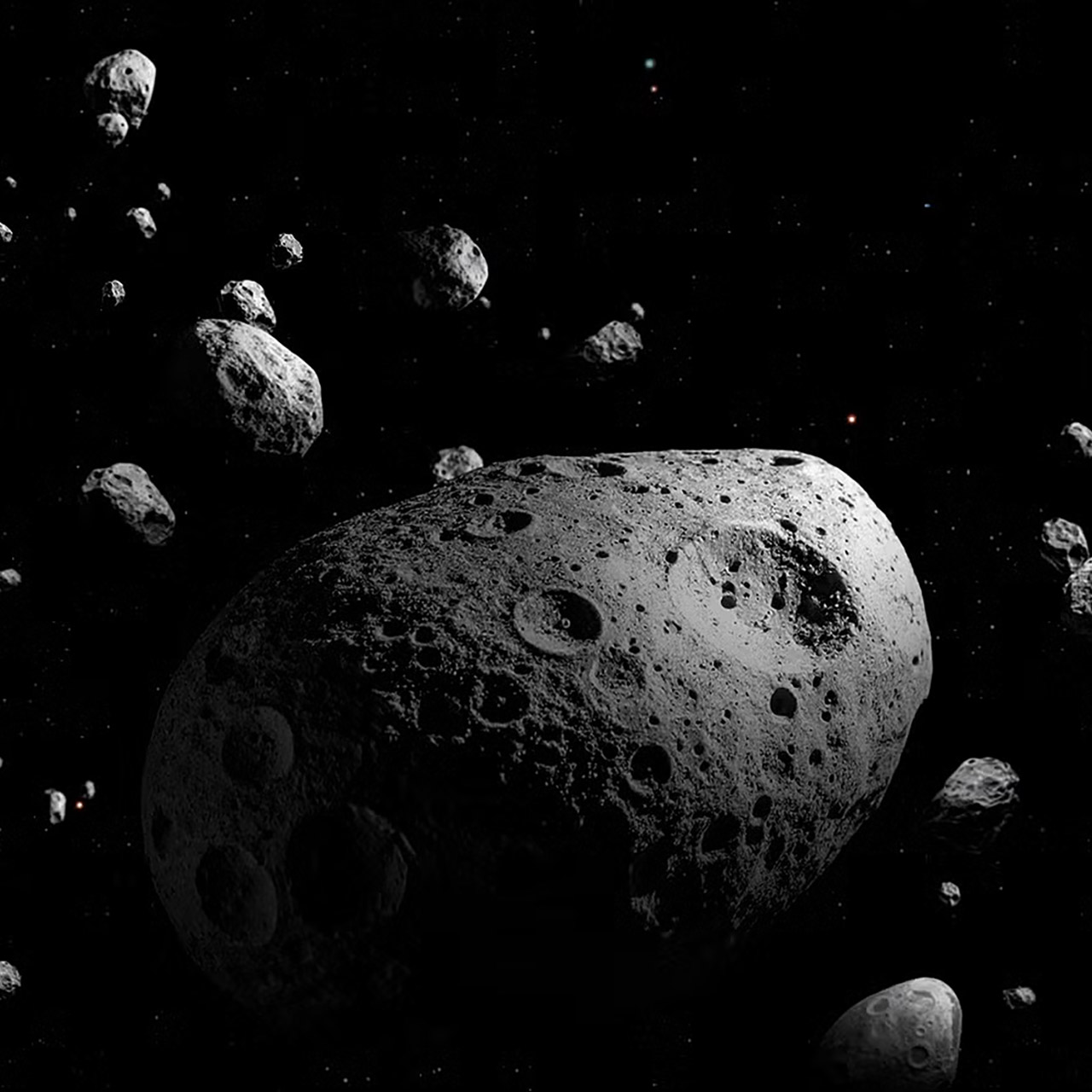
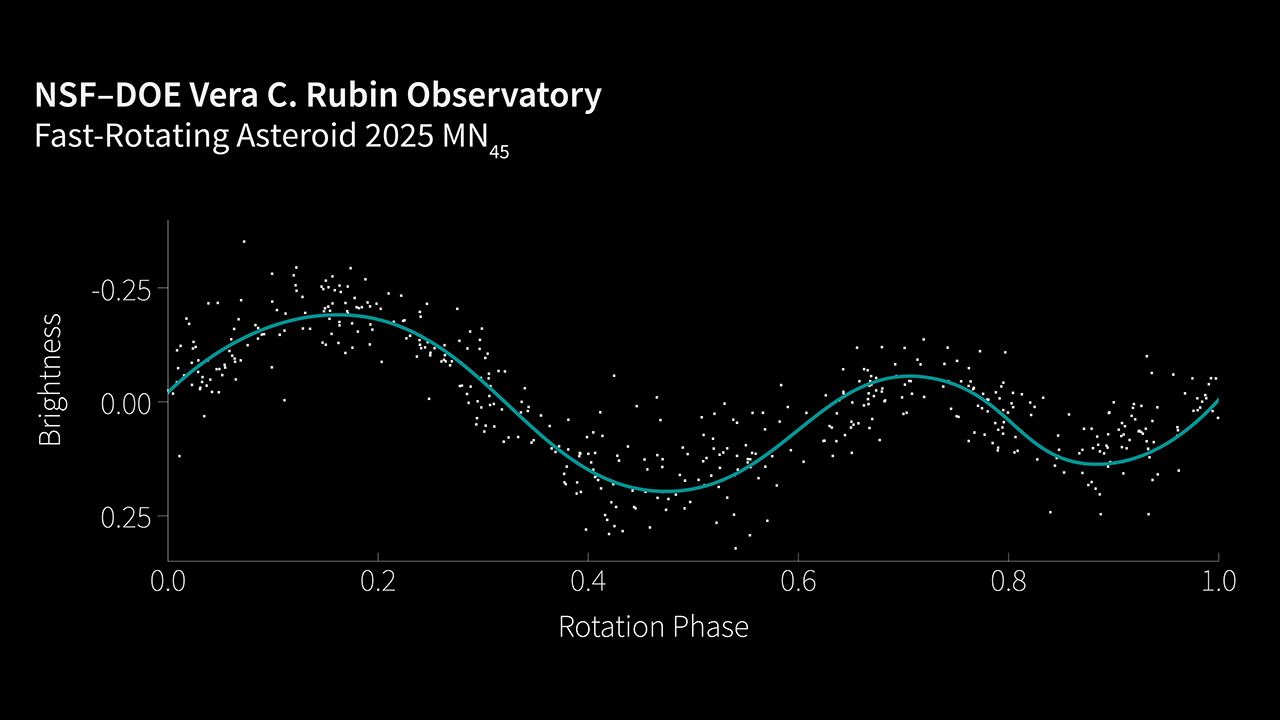
Researchers reviewed data collected by the observatory in April and May 2025. The LSST camera took repeated photos of the sky over the course of seven nights, totaling around ten hours. Each shot was only 40 seconds long, allowing for the detection of minute brightness fluctuations caused by asteroids bouncing about in space. A lightcurve, or brightness variation, enables scientists to precisely estimate how quickly things rotate.

LEGO Technic NASA Artemis Space Launch System Rocket Building Toy for Boys & Girls – STEM Learning &…
- BUILD AN OFFICIAL NASA ROCKET – Kids prepare to explore outer space with the LEGO Technic NASA Artemis Space Launch System Rocket (42221) building…
- 3-STAGE ROCKET SEPARATION – Young builders can turn the hand crank to watch the rocket separate in 3 distinct stages: solid rocket boosters, core…
- STEM BUILDING TOY FOR KIDS – This educational rocket kit was created in collaboration with NASA and ESA to showcase the authentic system that will…
Sarah Greenstreet, an astronomer at NSF NOIRLab and the chair of the Rubin Observatory’s working group on near Earth and interstellar objects, spearheaded this effort. Her team’s findings were published in The Astrophysical Journal Letters on January 7, 2026, marking the first time that data from the LSST camera had been used in a genuine peer-reviewed scientific study. Among 76 asteroids with reliable rotation measurements, 16 were found to be spinning at a significantly accelerated rate, with three spinning in less than 5 minutes. 2025 MN45 secured the top rank for items larger than 500 meters.
When you spin at this speed, it becomes really interesting for the asteroid’s internal structure. Most asteroids are simply a mess of loose pebbles held together by gravity. An object this large spinning that fast would just fall apart unless it had some major intrinsic strength, such as solid rock. Greenstreet believes this one formed as a result of a massive collision, possibly even the remnant of a core from a much larger parent body that had melted and torn apart.
This discovery coincides with the observatory’s major 10-year Legacy Survey of Space and Time, which is just about to begin. However, in the time it has spent doing these tests, it has discovered thousands of solar system objects, including over 1900 previously unknown asteroids. Aaron Roodman, the LSST project’s deputy head and a SLAC professor, points out that discoveries like this are exactly what you’d expect once the observatory is fully operational.
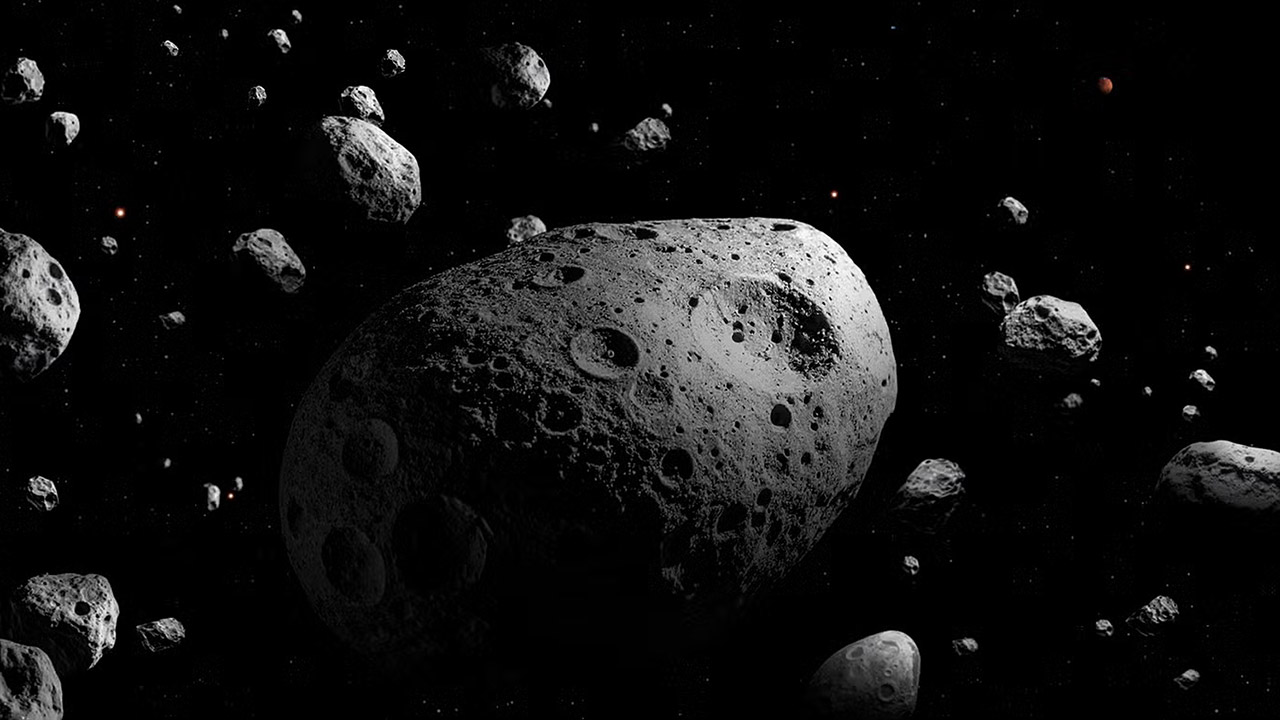
Asteroids that spin so fast are great for providing glimpses into the solar system’s distant past. Their spin rates can tell us what the conditions were like back then and how all those impacts throughout the years altered the planet. Previously, all of our reports of super-fast rotation were for tiny near-Earth objects. Main-belt asteroids, which are well out in the distance and tend to be considerably fainter, just weren’t able to be investigated in this level of depth until now.
[Source]
