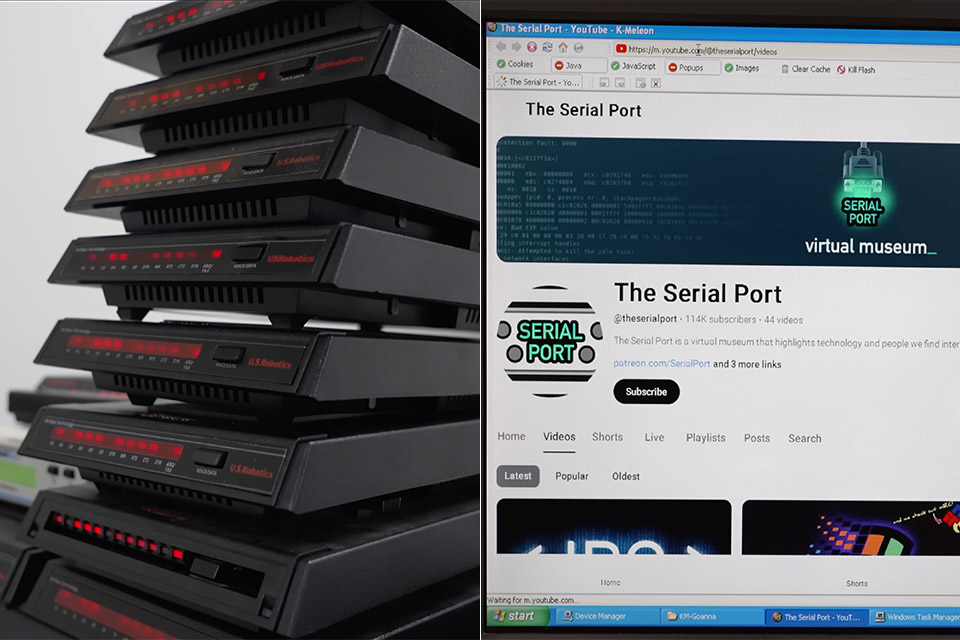
In an age where high-speed internet is as common as water, it’s easy to forget the days when connecting to the internet meant listening to your modem wail like a digital banshee. Dial-up internet, with its slow speeds, seems like a relic of the past. But a group of makers at The Serial Port decided to recreate this old nightmare to…watch a YouTube video via dial-up. Yes, YouTube, the bandwidth-hungry behemoth, is using a connection that can barely load a single webpage.
Dial-up modems, for those too young to remember, had a maximum speed of 56 kbps on a good day—about one-thousandth that of a modest current broadband connection. Streaming video, even at YouTube’s lowest quality at 175 kbps, seemed like a pipe dream. But The Serial Port had a secret weapon: multilink PPP, a technology from the early 2000s that allows many modems to pool their connections and achieve greater speeds. With no theoretical limit on how many modems might be combined, they saw an opportunity to turn dial-up’s trickle into a torrent.
Sale
Amazon eero 6+ mesh wifi system – Supports internet plans up to a Gigabit, Coverage up to 4,500 sq. ft.,…
- GIGABIT SPEEDS FOR LESS – Supports wifi speeds up to a gigabit, without the premium price tag. eero 6+ is our most affordable gigabit system ever….
- WI-FI 6 GETS A BANDWIDTH BOOST – eero 6+ supports additional wifi bandwidth on the 160 MHz radio channel (that’s just wifi talk for faster…
- CONNECTIVITY YOU CAN COUNT ON – eero 6+ gives you all the connectivity with all the reliability. So you can work from home with confidence—and say…
Setting up this experiment was like building a time machine from spare parts. On the server side, they connected a Cisco IAD VoIP gateway to a 3Com Total Control modem over a T1 line—a setup that screamed early 2000s internet provider feelings. For the customer, they started with an IBM NetVista A21i running Windows ME, a period-appropriate pick that felt like it sprang directly out of Y2K. Two modems connected to this rig showed promise, but Windows ME’s slow multilink support limited it to dialing just one modem at once.
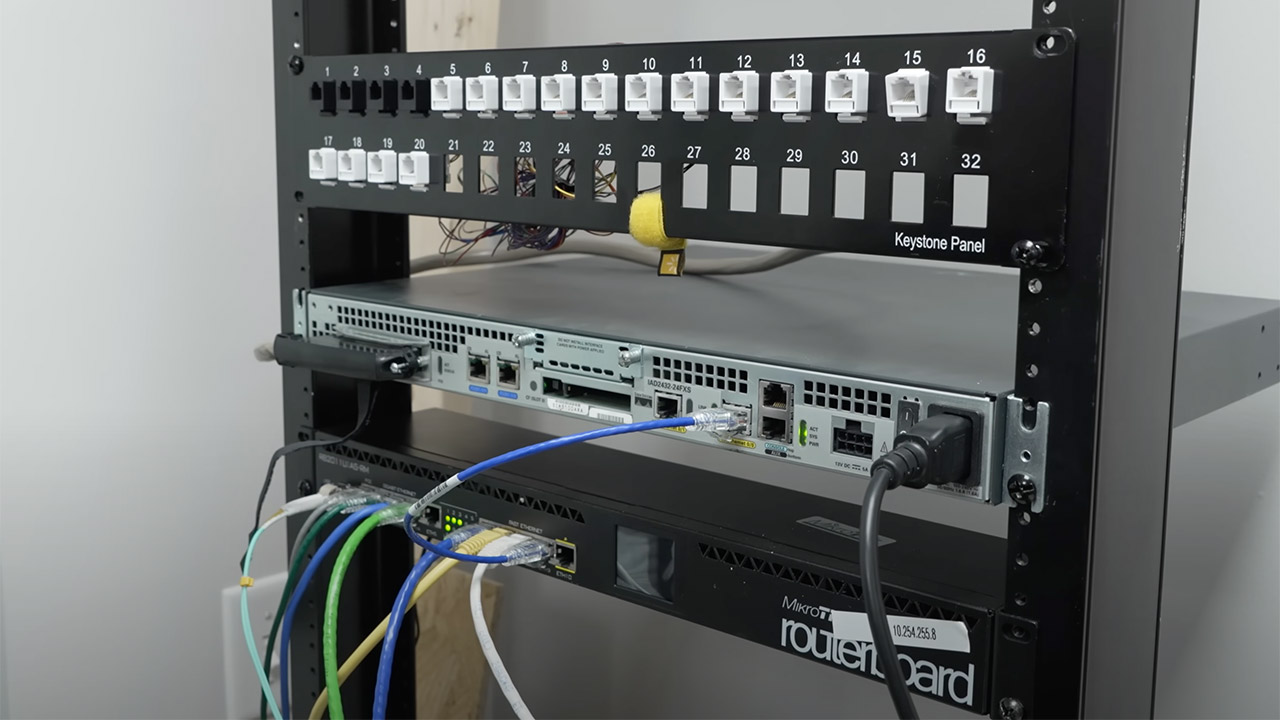
To scale up, they needed an Equinox com port adapter, but Windows ME didn’t have drivers for it. So they switched to a Windows 2000 machine. But that hit another roadblock: no browser on Windows 2000 could handle YouTube. So they swapped in a 2004 IBM ThinkCenter A50 running Windows XP—a system that was still new enough to work. But one Equinox card wasn’t enough for their needs. They added a second eight-port com card, only to find that both cards were assigned overlapping port numbers and caused a configuration mess. A four-port Digi card saved the day, giving them a total of 13 com ports, including the motherboard’s single connection.
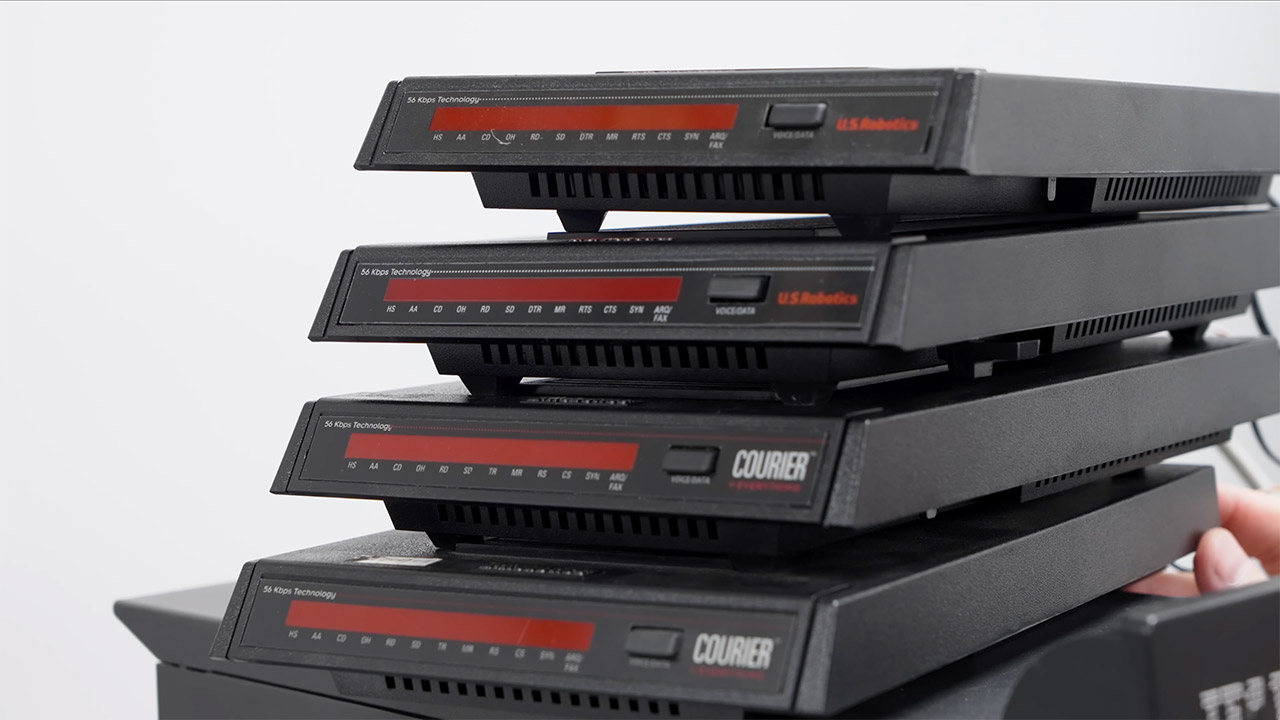
With the hardware in place the real fun began as the four modems fired up at the same time, their dialing screeches blending into a beautiful symphony. Windows XP’s multilink capabilities made this possible but the test failed. Dial tones misfired, hardware malfunctioned and wires needed to be reterminated. Who was the culprit? The modems DIP switches weren’t set the same. After some adjusting three of the four modems connected, they were getting closer. Undeterred they added more modems to the mix. Connection difficulties persisted but five modems connected at 200 kbps, faster than most dial up broadband. Multilink’s redial feature came in handy as it eventually brought all four modems up at 300 kbps.

Three hundred kilobits per second was excellent, but YouTube required more. They added four more modems and phone lines and now they had 12. When all were connected, the system roared to life at 668.8 kbps, nearly 4 times the minimum required for YouTube and faster than many dial up broadband.
[Source]
