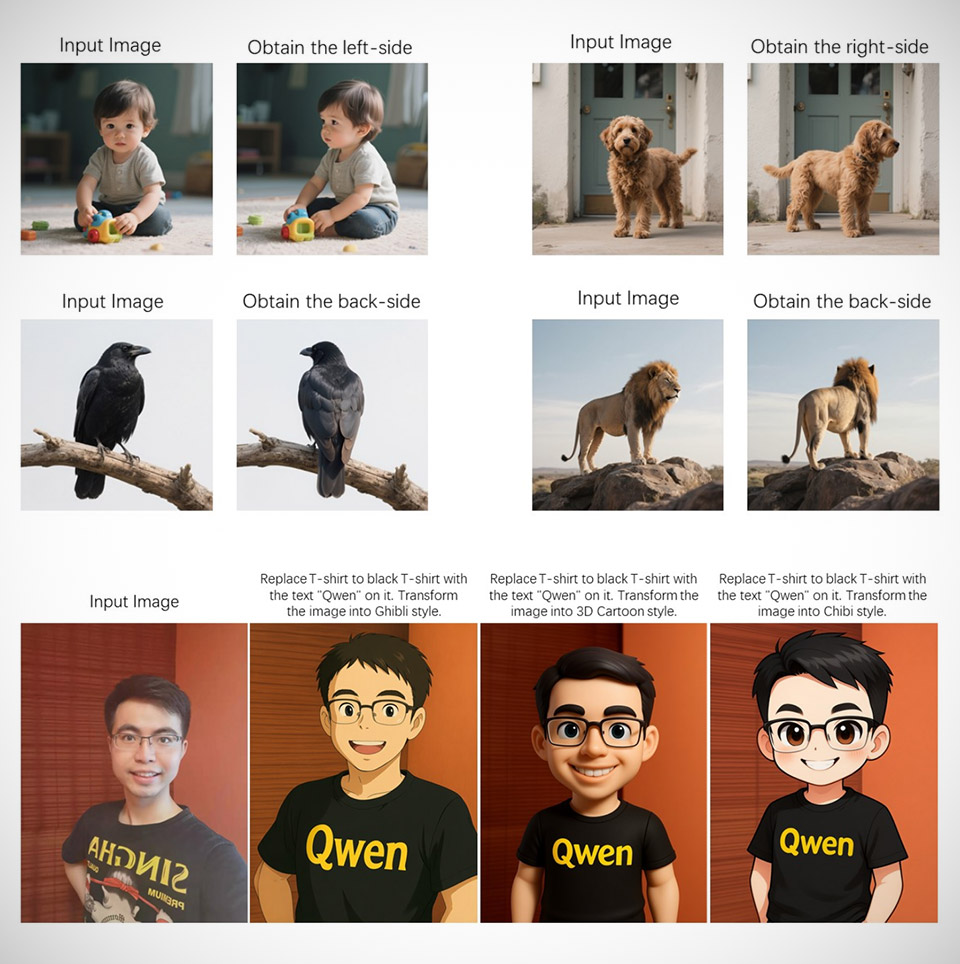
Alibaba’s Qwen team just released Qwen-Image-Edit, a free, open-source AI tool that rivals Adobe Photoshop. This tool, based on the Qwen-Image foundation with 20 billion parameters, uses simple text prompts to do complex edits.
Qwen-Image-Edit uses a dual-encoding system that processes images in two ways at the same time. One part, a vision-language model called Qwen2.5-VL, sees the whole picture – what the image means, the context and how things connect. The other, a fine-tuned Variational Autoencoder (VAE), focuses on the details, making sure unaltered parts of the image remain crisp. These two streams are fed into a Multimodal Diffusion Transformer, which combines them to produce edits.

Meta Quest 3S 128GB — Dive into Mixed Reality — Unreal device. Unreal price. — Gorilla Tag…
- Transform your reality with Meta Quest 3S 128GB. Now get the Amazon-exclusive Cardboard Hero Bundle, which includes the Handiwork Helmet, Handiwork…
- Turn any room into your own personal theater. Dim the space around you and watch on a giant, vibrant screen. Go all in with USB-C headphones, or plug…
- Have more fun with friends in Quest. Whether you’re stepping into an immersive game with people from around the world, watching a live concert…
Most AI tools struggle with text in images, sometimes misinterpreting letters or producing distorted fonts, especially with complex scripts like Chinese. Qwen-Image-Edit was trained on a massive dataset of text-heavy images so it can handle English and Chinese with ease. You can add text to a poster, modify a word on a T-shirt or correct typos in calligraphy while keeping the original font, size and style intact.
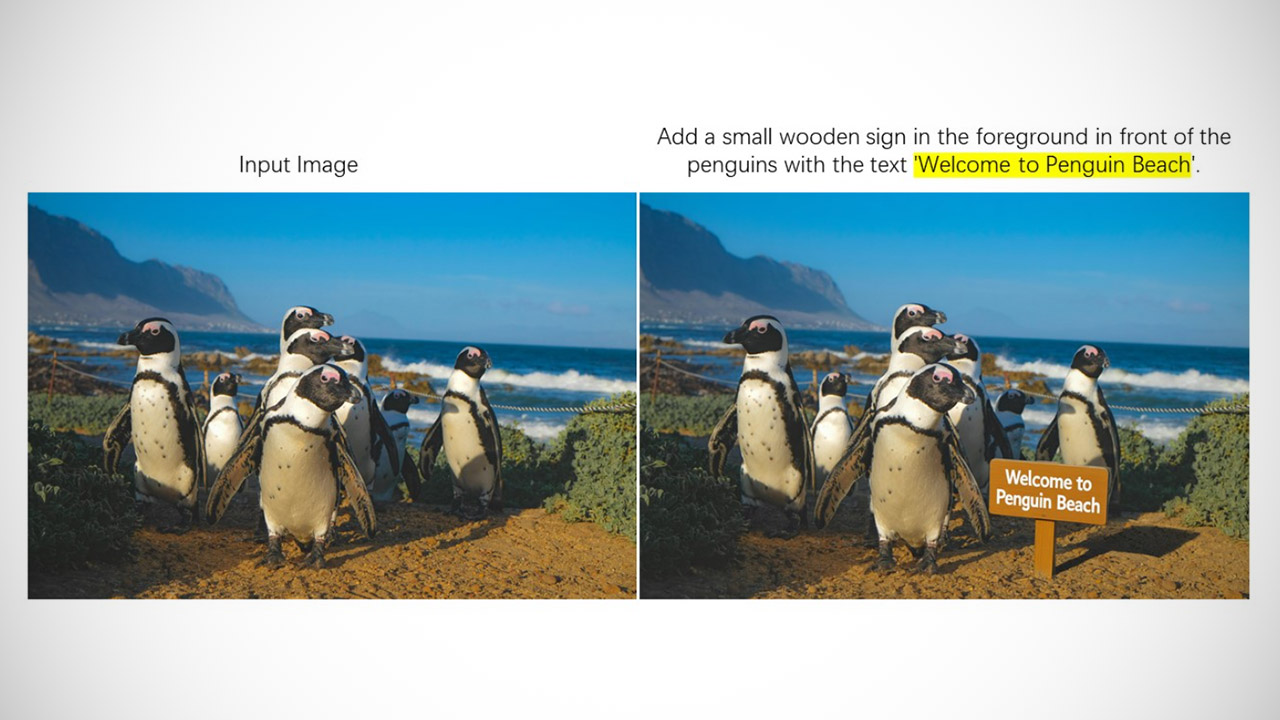
Under the Apache 2.0 license, Qwen-Image-Edit is free to use or even install on your own servers, bypassing the subscription costs of Photoshop. You can try it on Qwen Chat with a few free prompts—about 8 per 12 hours—or pay $0.045 per image through Alibaba Cloud’s Model Studio for more. Developers can integrate it into their apps via an API, with support for images up to 4,096 pixels and easy setup.
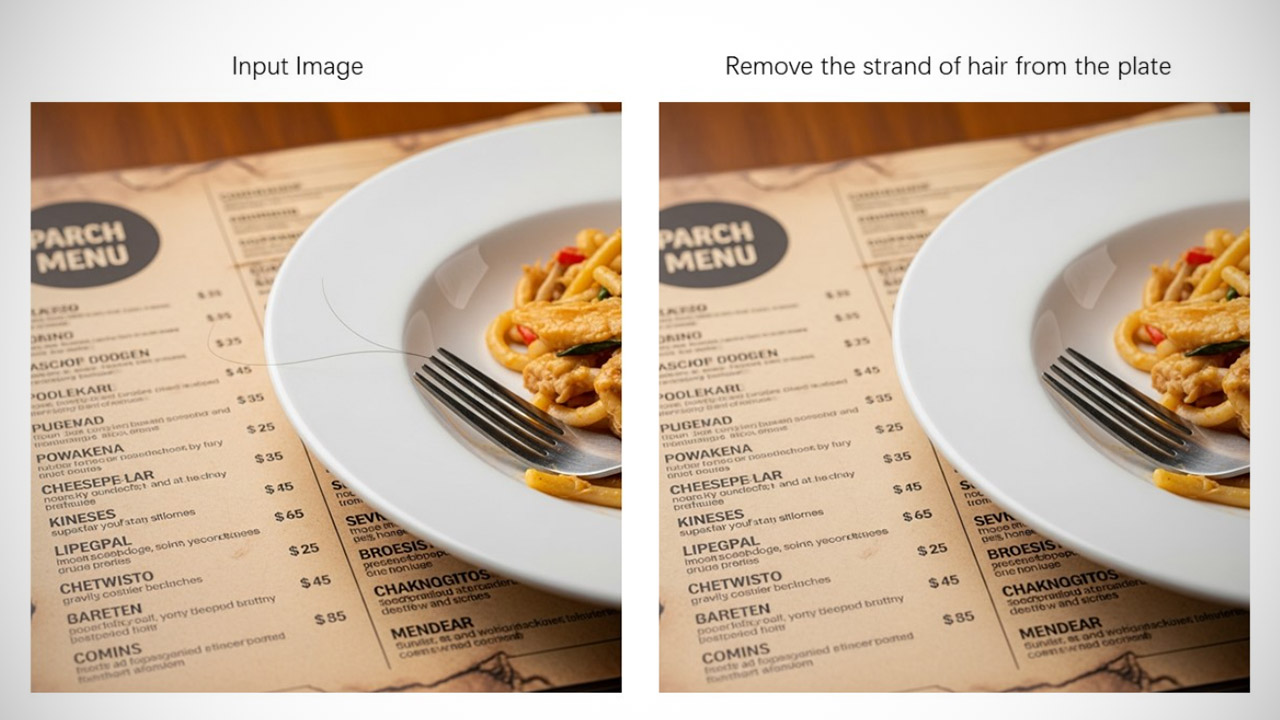
Artists can create emoji packs from a single mascot and keep the character’s personality consistent across expressions. Advertisers can customize posters or swap out clothing in virtual try-ons like changing a polka-dot blouse to a purple dress. Photographers can clean up distractions like removing a stray hair from a plate of pasta and cultural projects benefit from precise text corrections in intricate scripts.
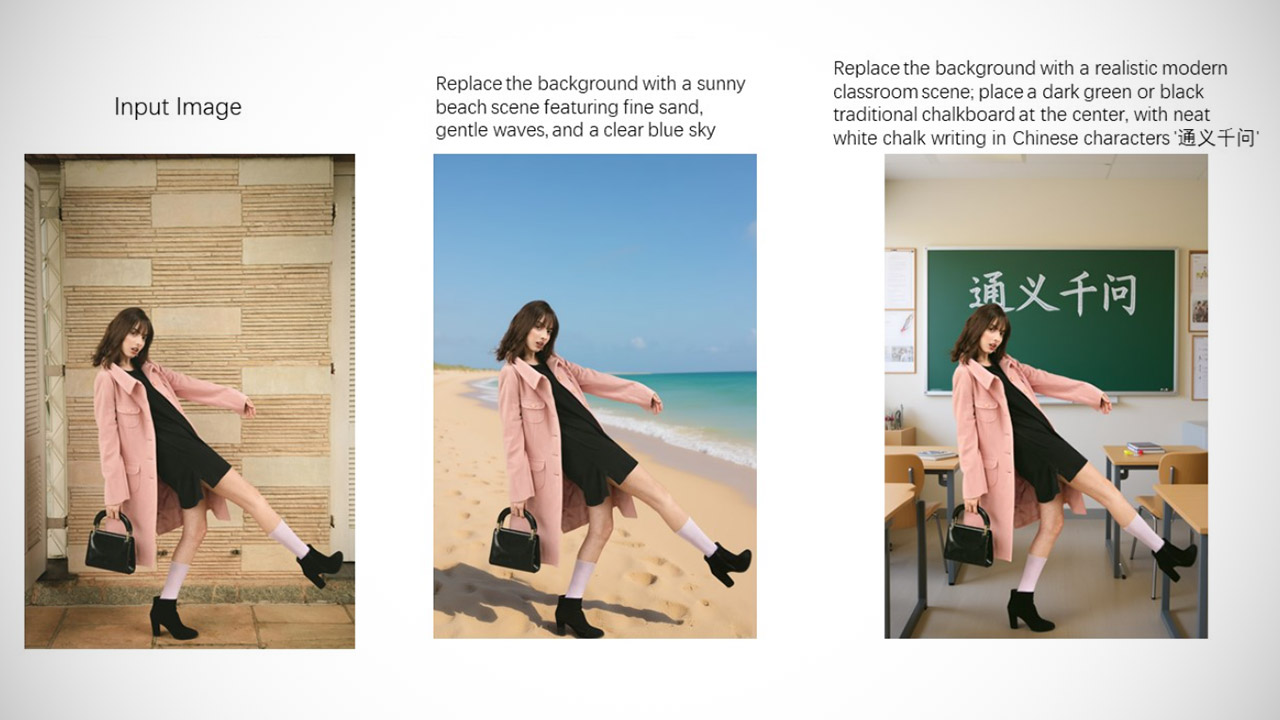
By combining Qwen-Image-Edit with other open-source tools like Qwen3-Thinking reasoning model and Wan2.2 video generator, they’re building a full-stack AI ecosystem. This isn’t one tool, it’s a platform where developers and creators can innovate freely, breaking down the walled gardens of proprietary software.
[Source]
